

The single sharpest fact in one or two punchy sentences. Who did what, where, when, and why it matters. Not a summary of everything — the one thing that makes someone stop scrolling. A reader who only reads this paragraph must understand what happened.
The GARID Project has had its implementation period extended to 2027 after the World Bank approved additional financing. Speaking on Joy FM's Super Morning Show, GARID Project Coordinator Ohene Sarfoh confirmed that the extension follows Ghana's successful bid for additional funding.
The project's original funding envelope was $285 million, but $65 million was reallocated to support Ghana's COVID-19 response, leaving a reduced core allocation for flood and drainage works. Dr. Sarfoh noted that the additional financing amounts to $150 million, approved in 2023.
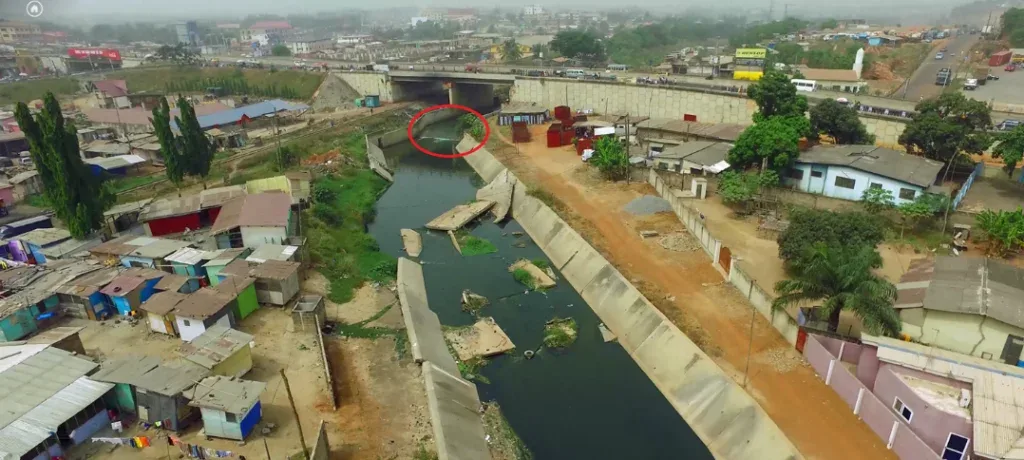
Expanded timeline and scope of works The extension means the project will now run two years beyond its original 2025 completion date. Dr. Sarfoh explained that the longer timeline reflects the scale and technical complexity of ongoing works, including dredging of the Odaw River, widening of major drainage channels, and addressing infrastructure bottlenecks such as bridges that restrict water flow.
The project has received approval to proceed with previously delayed contracts and is advancing procurement processes for additional works. World Bank records show that the additional financing agreement was signed on June 27, 2024, and has since become effective.
Funding and disbursement status World Bank records show that as of September 2024, total disbursement stood at US$127.1 million, representing 36.3 percent of total project financing. The original credit is also reported to be 93.5 percent committed.
Flood context The extension comes at a time when Accra continues to face recurrent flooding. Heavy rains on June 28 and 29, 2026, submerged several parts of the capital, affecting major roads and low-lying communities.
The GARID Project remains Ghana's flagship urban resilience programme, developed in response to the 2015 Accra floods and fire disaster. With the extension now confirmed, attention is expected to remain on whether the expanded timeline will accelerate delivery of critical infrastructure needed to reduce the capital's recurring flood risks.
"We were going for additional financing, [and] the project period was extended to 2027," Dr. Sarfoh said.
As of September 2024, total disbursement stood at US$127.1 million, representing 36.3 percent of total project financing. The original credit is also reported to be 93.5 percent committed.
The GARID Project has had its implementation period extended to 2027, enabling the project to expand its scope and improve flood control in Accra. This comes at a time when Accra continues to face recurrent flooding.
The extension of the project timeline will enable the project to address infrastructure bottlenecks, including bridges that restrict water flow. The additional financing will also enable the project to proceed with previously delayed contracts and advance procurement processes for additional works.
Ghana continues to face recurrent flooding, with heavy rains in June 2026 affecting major roads and low-lying communities. The GARID Project remains Ghana's flagship urban resilience programme, developed in response to the 2015 Accra floods and fire disaster.
Key Facts
- GARID Project implementation period extended to 2027
- Additional financing of $150 million approved in 2023
- Total project funding envelope is $285 million
- Original credit is 93.5 percent committed
- Total disbursement as of September 2024 stands at US$127.1 million
- Project's extended timeline reflects the scale and technical complexity of ongoing works