

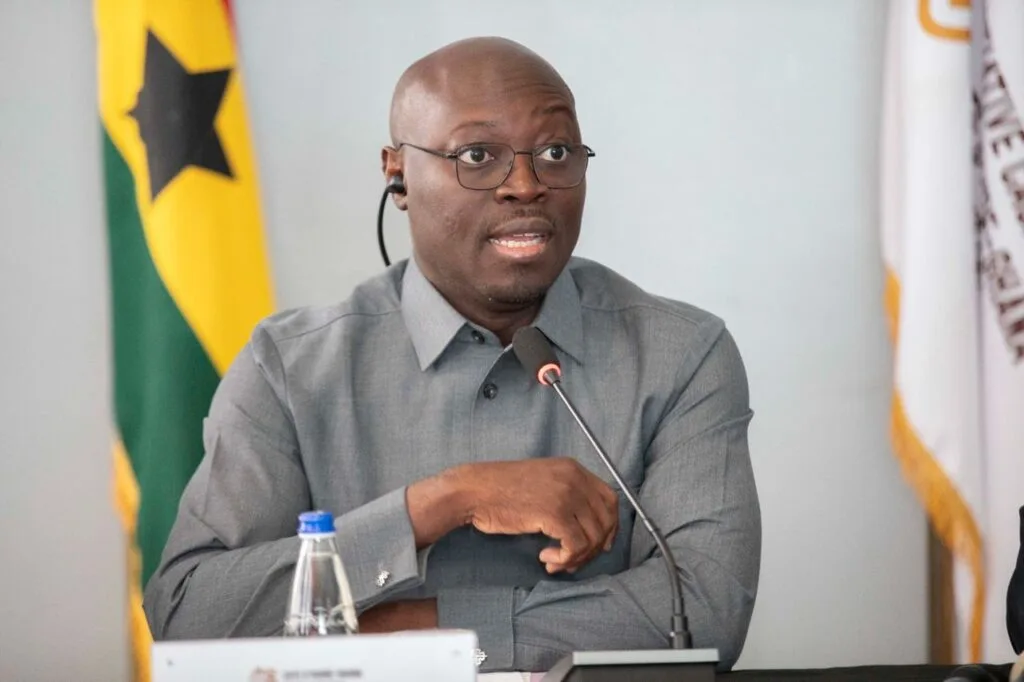
Ghana's Finance Ministry is shifting its priorities, focusing on healthcare as the backbone of national development. In a recent address to the Christian Health Association of Ghana (CHAG), Technical Advisor Dr. Theo Acheampong revealed the ministry's newfound commitment to healthcare infrastructure, citing the economic benefits of a healthier population. The ministry views healthcare as 'economic infrastructure, essential to national development.' Dr. Acheampong explained that a healthier workforce is crucial for economic growth, and the strongest currency of any nation is not its money, but the health, productivity, and resilience of its people. He emphasized that investing in healthcare expands access to services, improves workforce productivity, and drives economic growth. According to data, approximately 52% of current health spending goes towards curative care, leaving only 12% for preventive healthcare.
The ministry has committed to supporting the Free Primary Healthcare initiative, emphasizing its focus on disease prevention, health promotion, and early detection. The program is aimed at expanding access to preventive healthcare services and accelerating Ghana's progress towards Universal Health Coverage. With GH¢10.7 billion allocated for the National Health Insurance Scheme this year, the ministry hopes to strengthen healthcare financing and provide quality healthcare to all Ghanaians.
In a significant move, the ministry has acknowledged the Christian Health Association of Ghana's (CHAG) contribution to national healthcare delivery, describing the association as a strategic partner.
CHAG facilities continue to serve rural and underserved communities where access to healthcare remains limited. Achieving Universal Health Coverage will require sustained collaboration between government, faith-based health institutions, and development partners.
"The President's vision is to build a Ghana where quality healthcare is available to every citizen regardless of income, geography, or social status," Dr. Acheampong said.
The ministry has pledged to invest in primary healthcare infrastructure, health workers, and innovative financing while strengthening partnerships that improve access to quality healthcare for all Ghanaians. The government's commitment to a healthier population underscores its understanding of the interconnectedness between health, productivity, and national prosperity.
In practical terms, Ghana's investment in healthcare aims to reduce pressure on health facilities and lower future healthcare costs. The ministry's emphasis on disease prevention and health promotion highlights the need for sustained investment in healthcare infrastructure and human resources.
Dr. Cassiel Ato Forson, the Finance Minister, has consistently prioritized healthcare as a vital component of national development. Dr. Theo Acheampong's remarks reflect the ministry's renewed focus on healthcare as economic infrastructure. By shifting its priorities, the ministry aims to build a Ghana where every citizen has access to quality healthcare, regardless of income, geography, or social status.
The ministry's commitment to healthcare has significant implications for Ghana's rural and underserved communities, where access to quality healthcare remains limited. By strengthening partnerships with faith-based health institutions like CHAG, the government hopes to improve healthcare delivery and expand access to preventive healthcare services.
The GHC10.7 billion allocated for the National Health Insurance Scheme this year underscores the government's commitment to strengthening healthcare financing. By providing quality healthcare to all Ghanaians, the ministry aims to build a healthier and more productive population, driving national prosperity and economic growth.
Dr. Theo Acheampong's emphasis on disease prevention and health promotion highlights the need for sustained investment in healthcare infrastructure, human resources, and innovative financing. By achieving Universal Health Coverage, Ghana can reduce the long-term economic cost of disease while improving the population's well-being.
The Finance Ministry's commitment to healthcare has long-term economic benefits, including improved workforce productivity and reduced healthcare costs. By shifting its priorities, the ministry aims to build a Ghana where quality healthcare is available to every citizen, regardless of income, geography, or social status.