

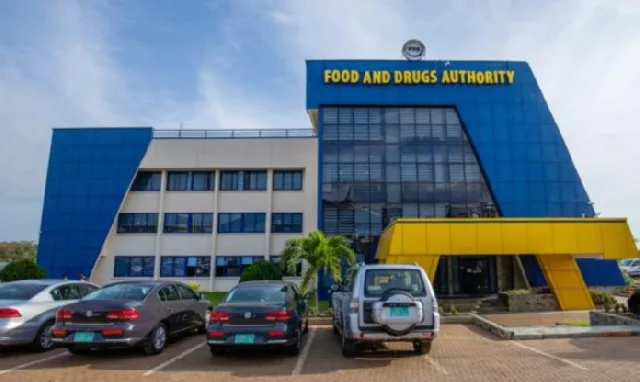
Abel Ndego, the Acting Upper East Regional Head of the Food and Drugs Authority (FDA), has advised members of the public to verify that restaurants, “chop bars” and other food outlets display valid FDA food hygiene permits before patronising them.
According to an interview with the Ghana News Agency, Ndego explained that the presence of an FDA food hygiene permit indicated that the facility met the Authority’s food safety requirements and was safe for public patronage. “The permit indicates that all workers who have direct contact with food have been medically certified, and that the food preparation processes have been assessed and found not to pose any potential danger to consumers,” he said.
The FDA organised a one-day training programme for restaurant operators, “chop bar” owners and food vendors from across the region. The programme took participants through good hygiene practices, food safety standards and hazards that threaten food safety in the region. Participants were also educated on proper storage and stock rotation practices, including the application of the “First In, First Out” (FIFO) and “First Expiry, First Out” (FEFO) principles to ensure that ingredients and food additives used in food preparation complied with regulatory requirements.
The programme also provided an opportunity for participants to interact with FDA officials, who addressed their concerns and encouraged them to continue adhering to good hygiene practices in their respective establishments. Ndego noted that the training provided participants with relevant knowledge and skills that would help improve hygiene standards in their food preparation areas.
The FDA has been working to promote public health and safety in Ghana, and this initiative is part of their efforts. Ghana has a growing food industry, and it is essential that consumers are protected from foodborne illnesses.
Ndego stated that the Authority’s mandate is to ensure public health and safety, and this includes equipping clients with current best practices in food safety and quality management.
The course, he said, took participants through good hygiene practices, food safety standards and hazards that threaten food safety in the region.
He noted that participants were also educated on proper storage and stock rotation practices, including the application of the “First In, First Out” (FIFO) and “First Expiry, First Out” (FEFO) principles to ensure that ingredients and food additives used in food preparation complied with regulatory requirements.
The Ghanaian public is advised to check for valid FDA food hygiene permits before eating at restaurants and food stalls. This is crucial for ensuring public health and safety in the region.
The public can verify the authenticity of food hygiene permits through the FDA’s website or by contacting their local FDA office.
It is essential that consumers are protected from foodborne illnesses, and this initiative is a crucial step towards achieving that goal.
The FDA will continue to work towards ensuring public health and safety in Ghana, and this initiative is part of their efforts.
Key Facts
- The FDA organised a one-day training programme for restaurant operators, “chop bar” owners and food vendors from across the region.
- The programme took participants through good hygiene practices, food safety standards and hazards that threaten food safety in the region.
- Participants were educated on proper storage and stock rotation practices, including the application of the “First In, First Out” (FIFO) and “First Expiry, First Out” (FEFO) principles.
- The FDA has been working to promote public health and safety in Ghana.
- The public can verify the authenticity of food hygiene permits through the FDA’s website or by contacting their local FDA office.
Ndego is the Acting Upper East Regional Head of the FDA. He was appointed to the position in 2022 and has been working to promote public health and safety in the region.
His appointment was made by the FDA Board, which oversees the Authority’s operations.
Ndego has a strong background in food safety and quality management. He has worked in the industry for over 10 years and has a degree in Food Science.
The FDA has been working to improve sanitation and hygiene standards in Ghana’s food industry.
The Authority has been conducting regular inspections of food outlets to ensure compliance with regulatory requirements.
Ndego stated that the Authority’s mandate is to ensure public health and safety, and this includes equipping clients with current best practices in food safety and quality management.
The course, he said, took participants through good hygiene practices, food safety standards and hazards that threaten food safety in the region.
He noted that participants were also educated on proper storage and stock rotation practices, including the application of the “First In, First Out” (FIFO) and “First Expiry, First Out” (FEFO) principles to ensure that ingredients and food additives used in food preparation complied with regulatory requirements.
The FDA has been working to promote public health and safety in Ghana, and this initiative is part of their efforts. Ghana has a growing food industry, and it is essential that consumers are protected from foodborne illnesses.
Ndego stated that the Authority’s mandate is to ensure public health and safety, and this includes equipping clients with current best practices in food safety and quality management.
The course, he said, took participants through good hygiene practices, food safety standards and hazards that threaten food safety in the region.
He noted that participants were also educated on proper storage and stock rotation practices, including the application of the “First In, First Out” (FIFO) and “First Expiry, First Out” (FEFO) principles to ensure that ingredients and food additives used in food preparation complied with regulatory requirements.