

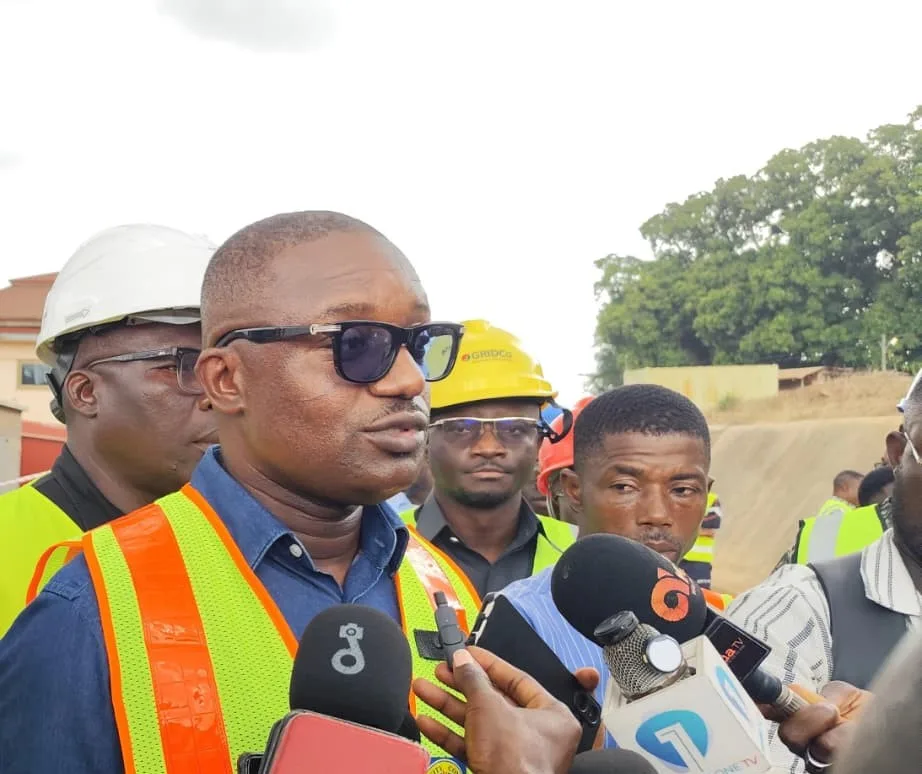
The days of ECG engineers wearing their political party colours under their work vests appear to be numbered. Dr. John Abdulai Jinapor, the Minister of Energy and Green Transmission, stood in front of a room full of regional and district managers in the Ashanti Region and delivered a message that was anything but subtle: focus on the job or get out.
"Your job is that of an engineer and not a politician. You can't be a politician. That’s why I say if you want to be a politician, you exit."
He wasn't just venting frustration; he was pointing at the flickering lights that have become a national headache. Dr. Jinapor argued that the inability to keep the lights on isn't just about aging infrastructure. It’s about deliberate negligence from those who should know better. This lack of discipline has dragged the entire energy sector through the mud.
To keep tabs on the situation, the ministry is launching a full command-and-control centre. This isn't just another office filled with people drinking tea. It’s a tech-driven setup designed to monitor electricity distribution in real-time. Every manager is getting a new phone with a specific number linked directly to this system. This ensures that when a transformer blows, they can't pretend they didn't receive the alert.
Efficiency is the name of the game, and the ministry is putting its money where its mouth is. Alongside the tech upgrades, they're rolling out electric motorcycles and new pickup trucks for districts to make moving around easier. These vehicles aren't for show. They're tools intended to cut down the response time for repairs and maintenance calls.
Tracking Accountability Through Technology
Beyond the hardware, the minister plans to open a dedicated line for the public. Soon, any of us struggling with a sudden blackout will be able to use a short code to report issues directly to the authorities. This system will also track the location and status of transformers. The days of calling a help desk only to be told they're "working on it" while they have no idea where the fault is should finally end.
This shift comes as the government eyes a massive boost in local capacity. Dr. Jinapor shared plans for a 1,000 MW power project specifically located in Kumasi. Given the city's growth, this move serves as a backbone for the region's industrial and residential needs for years to come.
For a long time, the Electricity Company of Ghana has faced heat over revenue losses, often linked to power that's paid for but never delivered. By clamping down on the management chain, the ministry hopes to stop the bleeding. Managers have been warned that they're the face of the brand. If they don't perform, the reputation of the state-owned provider takes a dive.
This isn't just about keeping the lights on; it’s about shifting the culture of the utility company. When staff members prioritize political alignments over technical competence, the grid suffers. Dr. Jinapor is essentially trying to depoliticize a technical entity that many believe has been bogged down by internal party bickering for far too long. If these measures hit the ground, we should see fewer excuses and more stable voltage across the country.