

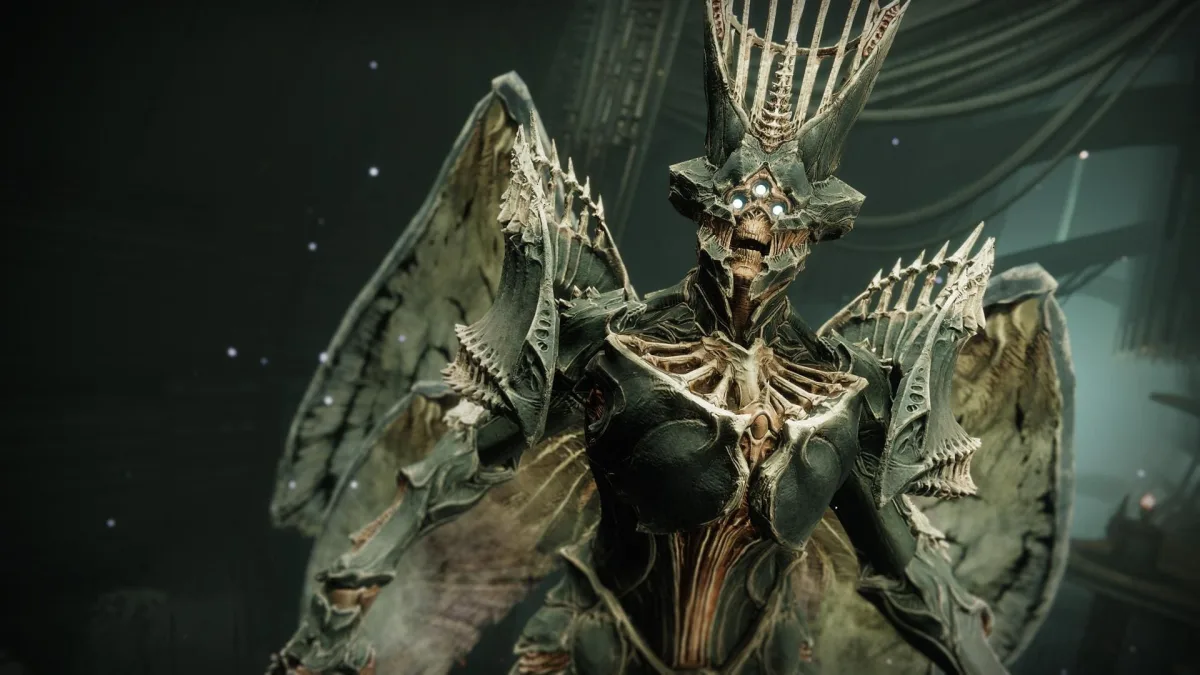
The closure of Destiny 2 is the latest and most significant failure in Sony's live service push. Despite its success in the console market, the company has struggled to make a dent in the live service sector.
And this isn't just about Destiny 2 - it's about the entire live service initiative that Sony embarked on a few years ago. The company invested heavily in this sector, hoping to replicate the success of other live service games like Fortnite and League of Legends. But so far, it's been a disaster.
The main problem is that Sony's live service games haven't been able to attract and retain players. They've been plagued by bugs, lack of content, and poor gameplay, leading to a decline in player base. For example, Destiny 2, which was once a popular game, has seen its player base decline significantly over the past year.
But it's not all doom and gloom for Sony. The company's first-party games, such as Intergalactic: The Heretic Prophet and the Insomniac Wolverine game, are still doing well. These games are single-player story-driven games that have been successful for Sony in the past. The company is also expecting the release of GTA 6, which is expected to be a major hit.
So, what's next for Sony? The company needs to go back to the drawing board and reassess its live service strategy. It needs to figure out what went wrong and how to fix it. One possible solution is to focus on quality over quantity. Instead of releasing multiple live service games at once, the company should focus on releasing a few high-quality games that can attract and retain players.
Yet, the closure of Destiny 2 is a significant blow to Sony's live service push. It's a reminder that the company still has a long way to go in this sector. The company needs to learn from its mistakes and use them as an opportunity to grow and improve.
Key Facts
- Destiny 2's closure is the latest failure in Sony's live service push
- Sony's first-party games, such as Intergalactic: Theetic Prophet and the Insomniac Wolverine game, are still successful
- The company is expecting the release of GTA 6, which is expected to be a major hit
- Sony needs to reassess its live service strategy and focus on quality over quantity
- The closure of Destiny 2 is a significant blow to Sony's live service push
The live service sector is a challenging and competitive market. Companies like Epic Games and Riot Games have been successful in this sector, but it's not easy to replicate their success. Sony can't replicate their success overnight, and it won't be easy.
As for the Nigerian gamer, the closure of Destiny 2 may not have a direct impact on them. However, it's a reminder that the gaming industry is constantly evolving, and companies need to adapt to stay ahead. The Nigerian gaming community is growing, and it's likely that we'll see more Nigerian gamers playing live service games in the future.
In the end, Sony's live service push has been a disaster, and the closure of Destiny 2 is the final blow. However, the company's first-party games are still successful, and it's expecting the release of GTA 6, which is expected to be a major hit. The company needs to learn from its mistakes and use them as an opportunity to grow and improve.
The live service push has been nothing short of a disaster with its main bright spot being a game not even made by a Sony studio.
And while Sony's live service push has failed, the company isn't giving up. It's still investing in this sector, and it's likely that we'll see more live service games from the company in the future. But for now, the closure of Destiny 2 is a significant blow to the company's live service push.
So, what does this mean for the gaming industry? It's a reminder that the live service sector is challenging and competitive. Companies need to be patient and focus on creating high-quality games that can attract and retain players. It's not easy to replicate the success of companies like Epic Games and Riot Games, but it's not impossible either.
The live service sector is a growing market, and it's likely that we'll see more companies entering this sector in the future. But for now, the closure of Destiny 2 is a significant blow to Sony's live service push, and it will take time to recover from it.
And while the closure of Destiny 2 is a significant blow to Sony's live service push, it's not the end of the world. The company can still recover from this, and it's likely that we'll see more live service games from the company in the future. But for now, the closure of Destiny 2 is a reminder that the live service sector is challenging and competitive, and companies need to be patient and focus on creating high-quality games that can attract and retain players.
The future of Sony's live service push is uncertain. The company needs to go back to the drawing board and reassess its strategy. It needs to figure out what went wrong and how to fix it. The company's failure to succeed in the live service sector so far is a significant setback.
But Sony isn't the only company that has struggled in the live service sector. Other companies, such as Microsoft and EA, have also struggled to make a dent in this sector. It's a challenging and competitive market, and companies need to be patient and focus on creating high-quality games that can attract and retain players.
And while the closure of Destiny 2 is a significant blow to Sony's live service push, it's not the end of the world. The company can still recover from this, and it's likely that we'll see more live service games from the company in the future. But for now, the closure of Destiny 2 is a reminder that the live service sector is challenging and competitive, and companies need to be patient and focus on creating high-quality games that can attract and retain players.
The Nigerian gaming community is growing, and it's likely that we'll see more Nigerian gamers playing live service games in the future. However, the closure of Destiny 2 may not have a direct impact on them. It's a reminder that the gaming industry is constantly evolving, and companies need to adapt to stay ahead.
So, what's next for Sony? The company needs to go back to the drawing board and reassess its live service strategy. It needs to figure out what went wrong and how to fix it. One possible solution is to focus on quality over quantity. Instead of releasing multiple live service games at once, the company should focus on releasing a few high-quality games that can attract and retain players.
Yet, the closure of Destiny 2 is a significant blow to Sony's live service push. It's a reminder that the company still has a long way to go in this sector. The company needs to learn from its mistakes and use them as an opportunity to grow and improve.
And while the future of Sony's live service push is uncertain, the company won't give up. It will continue to invest in this sector, and it's likely that we'll see more live service games from the company in the future. But for now, the closure of Destiny 2 is a reminder that the live service sector is challenging and competitive, and companies need to be patient and focus on creating high-quality games that can attract and retain players.
But it's not all doom and gloom for Sony. The company's first-party games, such as Intergalactic: Theetic Prophet and the Insomniac Wolverine game, are still successful. These games are single-player story-driven games that have been successful for Sony in the past. The company is also expecting the release of GTA 6, which is expected to be a major hit.
So, what does this mean for the gaming industry? It's a reminder that the live service sector is challenging and competitive. Companies need to be patient and focus on creating high-quality games that can attract and retain players. It's not easy to replicate the success of companies like Epic Games and Riot Games, but it's not impossible either.
The live service sector is a growing market, and it's likely that we'll see more companies entering this sector in the future. But for now, the closure of Destiny 2 is a significant blow to Sony's live service push, and it will take time to recover from it.
And while the closure of Destiny 2 is a significant blow to Sony's live service push, it's not the end of the world. The company can still recover from this, and it's likely that we'll see more live service games from the company in the future. But for now, the closure of Destiny 2 is a reminder that the live service sector is challenging and competitive, and companies need to be patient and focus on creating high-quality games that can attract and retain players.
The future of Sony's live service push is uncertain. The company needs to go back to the drawing board and reassess its strategy. It needs to figure out what went wrong and how to fix it. The company's failure to succeed in the live service sector so far is a significant setback.
And while Sony's live service push has failed, the company isn't giving up. It's still investing in this sector, and it's likely that we'll see more live service games from the company in the future. But for now, the closure of Destiny 2 is a reminder that the live service sector is challenging and competitive, and companies need to be patient and focus on creating high-quality games that can attract and retain players.
The Nigerian gaming community is growing, and it's likely that we'll see more Nigerian gamers playing live service games in the future. However, the closure of Destiny 2 may not have a direct impact on them. It's a reminder that the gaming industry is constantly evolving, and companies need to adapt to stay ahead.
So, what's next for Sony? The company needs to go back to the drawing board and reassess its live service strategy. It needs to figure out what went wrong and how to fix it. One possible solution is to focus on quality over quantity. Instead of releasing multiple live service games at once, the company should focus on releasing a few high-quality games that can attract and retain players.
The live service sector is a challenging and competitive market. Companies like Epic Games and Riot Games have been successful in this sector, but it's not easy to replicate their success. Sony can't replicate their success overnight, and it won't be easy.
And while the closure of Destiny 2 is a significant blow to Sony's live service push, it's not the end of the world. The company can still recover from this, and it's likely that we'll see more live service games from the company in the future. But for now, the closure of Destiny 2 is a reminder that the live service sector is challenging and competitive, and companies need to be patient and focus on creating high-quality games that can attract and retain players.
The future of Sony's live service push is uncertain. The company needs to go back to the drawing board and reassess its strategy. It needs to figure out what went wrong and how to fix it. The company's failure to succeed in the live service sector so far is a significant setback.
The live service sector is a growing market, and it's likely that we'll see more companies entering this sector in the future. But for now, the closure of Destiny 2 is a significant blow to Sony's live service push, and it will take time to recover from it.
The Nigerian gaming community is growing, and it's likely that we'll see more Nigerian gamers playing live service games in the future. However, the closure of Destiny 2 may not have a direct impact on them. It's a reminder that the gaming industry is constantly evolving, and companies need to adapt to stay ahead.
So, what's next for Sony? The company needs to go back to the drawing board and reassess its live service strategy. It needs to figure out what went wrong and how to fix it. One possible solution is to focus on quality over quantity. Instead of releasing multiple live service games at once, the company should focus on releasing a few high-quality games that can attract and retain players.
And while the closure of Destiny 2 is a significant blow to Sony's live service push, it's not the end of the world. The company can still recover from this, and it's likely that we'll see more live service games from the company in the future. But for now, the closure of Destiny 2 is a reminder that the live service sector is challenging and competitive, and companies need to be patient and focus on creating high-quality games that can attract and retain players.
The live service sector is a challenging and competitive market. Companies like Epic Games and Riot Games have been successful in this sector, but it's not easy to replicate their success. Sony needs to be patient and focus on creating high-quality games that can attract and retain players.
And while Sony's live service push has failed, the company isn't giving up. It's still investing in this sector, and it's likely that we'll see more live service games from the company in the future. But for now, the closure of Destiny 2 is a reminder that the live service sector is challenging and competitive, and companies need to be patient and focus on creating high-quality games that can attract and retain players.