

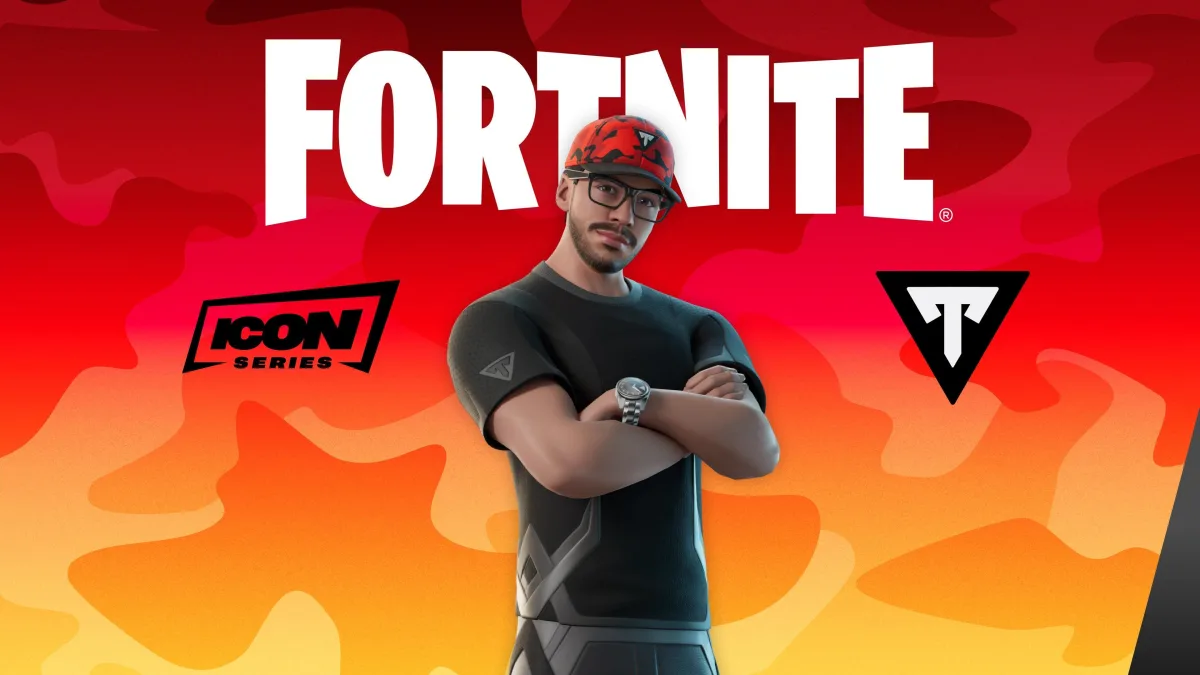
For years, Andre Rebelo lived inside the digital walls of Fortnite, streaming his gameplay to millions while building a massive personal brand. Today, he crosses a rare bridge, transitioning from a famous face on the screen to an official part of the game’s own identity through a new Icon Series outfit. This launch isn't just a skin; it marks the arrival of a creator who has moved beyond viral content and into the actual architecture of the game.
Rebelo has spent years treating the platform as his primary workplace, clocking in for four-hour daily streams. His new in-game character reflects this long history, featuring distinct styles that range from rugged cowboy looks to mysterious balaclava-clad variants. By including heist-inspired outfits and various color palettes, the design attempts to capture different facets of his community’s identity. It's a calculated move that turns a streamer into a permanent fixture within the digital landscape he helped popularize.
"I literally stream every day for four hours. So I wanted something that I would want to use time and time again and something that honors kind of me and what it means to my community."
Behind this digital wardrobe, there’s a much bigger shift happening in how internet stars view their careers. Rebelo is no longer just another content creator relying on sponsorships; he’s the founder of JOGO, a fully operational game studio. With a team of 25 employees, JOGO functions like a legitimate business, complete with department heads and coordinated internal operations. He isn't just making content anymore—he is building software.
The tools provided by Epic Games, specifically the Unreal Editor for Fortnite (UEFN), have served as the foundation for this transition. After deciding he wanted to do more than just play, Rebelo dove into game development, leveraging his past programming knowledge to learn the platform's proprietary tech. This curiosity led to the creation of viral experiences like Fortnut and Only Up Time Travel, which collectively logged billions of minutes of playtime from players globally.
This trend of creators becoming business owners reflects a broader evolution in the digital economy. While previous generations of influencers focused on merchandise or simple media production, current creators are launching production companies, gaming studios, and scalable software businesses. They are effectively becoming their own employers, building products directly within the ecosystem where their audience already spends their time.
The Shift to Platform-Native Entrepreneurship
Recent industry data suggests this transition is highly profitable, with Boston Consulting Group estimating that creator payouts across gaming ecosystems will surpass $1.5 billion by 2025. This massive figure highlights a change in strategy for platforms like Fortnite, which are moving toward creator-led business models to ensure long-term engagement. Epic Games is increasingly relying on independent developers to provide fresh content, rather than keeping the entire development burden in-house.
Rebelo points out that the technical barriers to entry are collapsing at record speed. Creating multiplayer games used to be a massive undertaking requiring heavy funding, huge teams, and years of specialized programming experience. Today, UEFN allows smaller teams to execute complex visions with unprecedented efficiency. He noted that even veteran developers are surprised by how quickly one can deploy functional multiplayer experiences using this infrastructure.
Looking toward the future, Rebelo expects artificial intelligence to be a force multiplier for small teams. He believes these tools will help human creators execute at a larger scale without losing the personal, creative soul that built their communities in the first place. For someone who still streams Fortnite for four hours every single day, the insight gained from being in the trenches with the player base remains his biggest competitive advantage.
While some might argue that the market for new creators is oversaturated, Rebelo insists that opportunity remains abundant. He views the evolution from "what can I create" to "what can I build" as the most significant hurdle for any influencer wanting to survive the next decade. The era of the simple influencer is fading; the era of the platform-native founder is just getting started.