

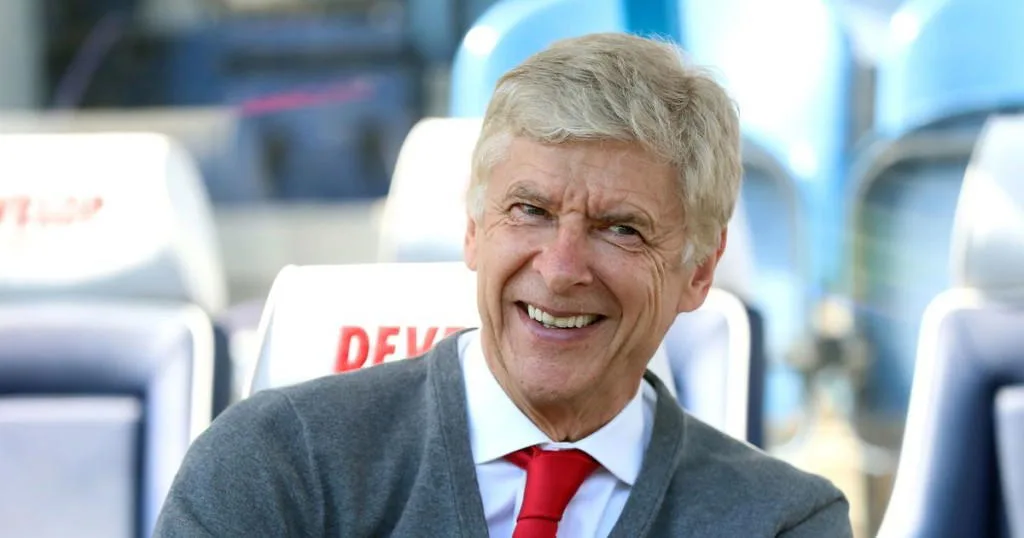
Arsene Wenger, FIFA’s head of global football development, said Saturday he accepted that the hydration breaks used at this year’s World Cup were not universally popular. The breaks, which were 3 minutes long and took place midway through each half, were a major point of contention among fans and critics.
Wenger made the comments during a briefing on the eve of the World Cup final between Spain and Argentina. “Sometimes people didn’t like it and we have to analyse after the World Cup what the impact was,” he said. Critics of the breaks, which were introduced for the first time this year, said they added to the commercialisation of the game and disrupted the flow of play.
Luis de la Fuente, the Spain coach, defended the hydration breaks early in the tournament, citing the importance of player welfare in often hot conditions. “It is difficult to sustain that level of physical exertion for long periods and I believe those breaks offer a brief respite to recharge and continue competing well,” he said.
Former Arsenal manager Arsene Wenger insisted the expansion of the World Cup to feature 48 teams had proven to be a success. “It was questioned before it started but we found it was ethically needed to give a chance to more teams. I am convinced it was the right decision and it was a great success,” he said.
The expansion of the World Cup has seen many more countries qualify for the tournament, including several African nations. However, the increased size of the competition has also raised concerns about the sustainability of the event and the impact on smaller teams.
Wenger’s comments come as FIFA continues to grapple with the challenges of hosting a larger World Cup. The governing body is expected to announce its plans for the 2030 tournament in the coming months.
The introduction of hydration breaks was intended to improve player welfare and reduce the risk of injury. However, not all teams were supportive of the move, with some arguing that it disrupted the flow of play.
As the World Cup final approaches, fans will be eagerly watching to see how the game unfolds without the breaks. Will the break be abolished or modified for future tournaments? Only time will tell.
Hydration breaks were introduced for the first time this year, with teams taking 3-minute breaks midway through each half.
FIFA has faced criticism in the past for its commercialisation of the game, with some arguing that it has compromised the integrity of the sport. However, the governing body has maintained that its primary goal is to promote the game and improve player welfare.
The expansion of the World Cup has been a major talking point in the football community for several years. While some have argued that it has made the competition more inclusive and exciting, others have expressed concerns about the sustainability of the event.
Arsene Wenger is widely respected for his opinions on football and is seen as a key figure in the sport. As a former manager and now as the head of global football development, he has a unique insight into the inner workings of the game.
Wenger’s comments come as FIFA continues to grapple with the challenges of hosting a larger World Cup. The governing body is expected to announce its plans for the 2030 tournament in the coming months, with a decision on the break likely to be a key factor.
Key Facts
- The World Cup hydration breaks took 3 minutes to complete.
- The breaks were introduced for the first time this year.
- The motivation for their introduction was a commitment to player welfare.
- Critics argued that the breaks added to the commercialisation of the game.
- Many fans were unhappy with the breaks, especially in cooler conditions.