

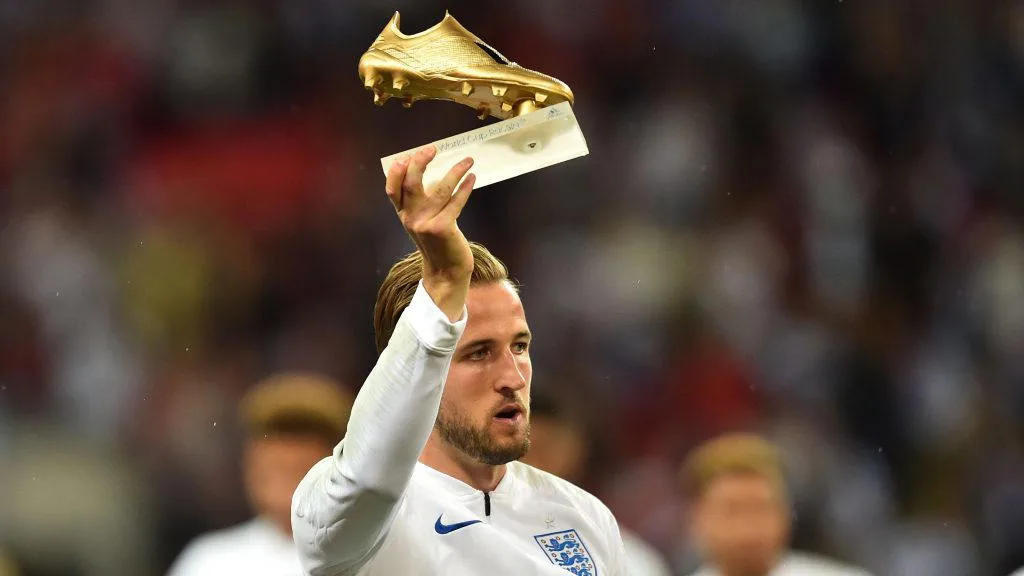
The 2026 World Cup kicks off with a Golden Boot race that could be the most open in history. The expanded 48-team format means 104 matches instead of 64 — more games, more goals, and more chances for the world's best strikers to fill their boots.
Kylian Mbappé enters as the clear favourite. The 27-year-old French forward won the Golden Boot at the 2022 World Cup with eight goals and already has 12 World Cup goals in his career. He's France's primary attacking threat and takes penalties. That combination makes him the man to beat.
Harry Kane is chasing history. The England captain won the Golden Boot in 2018 with six goals. No player has ever won the award twice. Kane remains one of international football's deadliest finishers, and England are expected to make a deep run. He also takes penalties for his country.
Erling Haaland is making his World Cup debut. The Manchester City striker has scored goals at a frightening rate for club and country. Norway aren't among the favourites to win the tournament, but Haaland is capable of scoring heavily against any opponent. If Norway survive the group stage, he could go far.
Lamine Yamal is the wildcard. The teenage Spanish sensation isn't a traditional centre-forward. But Spain's attacking style and expected deep tournament run could create plenty of chances. Many analysts believe he could challenge for both the Golden Boot and the Golden Ball as the tournament's best player.
Julián Álvarez is the dark horse. Argentina are among the favourites again, and Álvarez leads the line for a team packed with creative players. He could emerge as the surprise top scorer if Argentina go all the way.
The expanded format changes the maths. More matches mean more group-stage games against weaker opponents. A striker who scores a hat-trick in the group phase could build an early lead that's hard to catch. The tournament also has more rest days between games, which could help players stay fresh for the full schedule.
The Golden Boot has been won by players from France, England, Germany, Colombia, Brazil, Italy, and Argentina since the award was first given in 1982. No African player has ever won it. That could change this year if a player like Nigeria's Victor Osimhen — he's not among the top five favourites but is capable of a hot streak — catches fire.
The race starts with the first match. Every goal will shift the odds. And with 104 games to play, the top scorer might not be decided until the final whistle.