

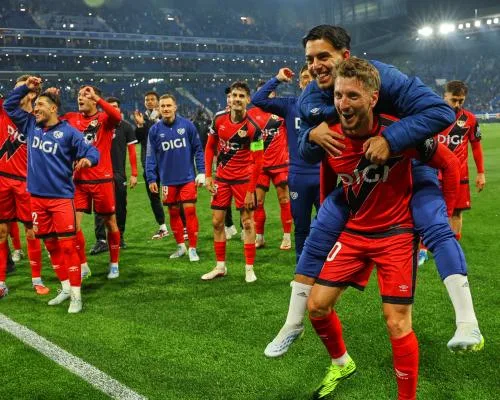
Imagine a professional football club where the kitman is forced to pile old towels in a mess, the stadium lights barely flicker, and the power sometimes cuts out because someone pulled a plug. That’s the reality for Rayo Vallecano, a club that's preparing for its first-ever European final against Crystal Palace this Wednesday. While the glamour of modern football usually involves multi-million-pound training complexes and private jets, Rayo is built on the sweat and soot of the Vallecas barrio in Madrid.
"We’ve transformed from Rayito, to el puto Rayo [Rayo fucking Vallecano]."
This transformation is led by midfielder Óscar Valentín, who has seen the club shift from a perceived small-time side to a giant-killer on the continent. The squad is a collection of misfits and journeymen, featuring players like Álvaro García, a 5ft 5in winger who has become the club's all-time top scorer with 36 first-division goals. It's a miracle they're here. They have the lowest budget in Spain’s top flight and occupy a home ground that looks more like a construction site than a professional venue.
The club’s identity is tied to the barrio, a historic working-class area with over 300,000 residents known for its strong political stance and sense of community. The stadium, Campo de Fútbol de Vallecas, is so integrated into the neighbourhood that wayward shots regularly fly through the windows of nearby flats. Fans here aren't just spectators; they're part of a movement. They often sing songs of solidarity. When the club’s controversial owner, Raúl Martín Presa, invited a far-right politician to the ground, the Bukaneros ultras arrived in full hazmat suits to symbolically 'disinfect' the area.
Behind the scenes, the story is one of consistent struggle rather than luxury. The facility is in a state of decay, with falling cement, exposed wiring, and occasional rodent sightings. There is no official club shop in the traditional sense—just a cupboard-sized space where fans queue around the block, hoping to grab a shirt before stocks run out. The club’s institutional neglect is so blatant that it feels like a deliberate snub to the players and the loyal local base.
Despite these hardships, the team thrives on a unique brand of organised chaos championed by head coach Iñigo Pérez. Pérez, who was previously denied a UK work permit during his time at Bournemouth, has managed to turn the squad into a unit that refuses to play with fear. The players have been known to stop at local kebab shops in their team kit, blending in with the residents rather than acting like pampered stars. This lack of hierarchy between the terrace and the pitch has fueled their unexpected run.
The Anatomy of an Underdog
- Captain Óscar Trejo: A veteran of the squad since 2017 who has previously resigned his captaincy in protest over poor treatment of staff.
- The Squad's Relegation Record: Combined, the players have experienced 24 relegations throughout their careers, proving that their current success is truly against the odds.
- Annual Stadium Costs: The club pays a modest €81,784 in annual rent to the local council for a facility that is often deemed inadequate by modern hygiene standards.
- The Fair Play Anomaly: Their only previous brush with European football was a solitary appearance via a Fair Play draw, as they were in administrative bankruptcy the only time they actually earned qualification on merit.
- Community Solidarity: When supporters were recently scammed out of money for travel to the final, the players personally led a crowdfunding drive to ensure the fans could still attend the match.
This mix of humour and suffering defines their existence. When the stadium’s electricity supply failed against Barcelona or a power outage occurred during a match against Real Madrid, the players didn't moan—they adapted. They treat these setbacks with a dark, resilient humour that bonds them to the local population. They aren't just chasing a trophy; they're representing a way of life that refuses to be sidelined by the glitz of the elite game.
As 38-year-old captain Trejo prepares to play his final match, the sentiment in the barrio is clear: they've already won by making it this far. Whether they lift the trophy or not, they’ve proven that you don't need a massive budget to create a legacy. They're the team of the streets, the working people, and the ones who have consistently been told they don't belong—yet here they are, standing on the edge of history.