

The single sharpest fact in one or two punchy sentences. Who did what, where, when, and why it matters. Not a summary of everything — the one thing that makes someone stop scrolling. A reader who only reads this paragraph must understand what happened.
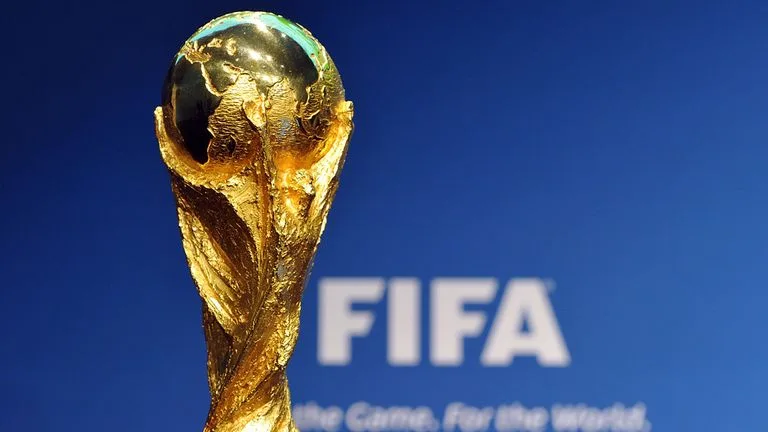
The UEFA boycott is a stark rebuke to FIFA president Gianni Infantino's plans to sell a stake in the commercial rights of the FIFA World Cup. This move has sparked outrage among top European football associations, with many warning they will withdraw from FIFA tournaments unless the governing body reverses course. England's Football Association declared its full support for UEFA, insisting the World Cup should remain in the hands of football.
And England's football fans aren't alone in their opposition. Scotland's Football Association also endorsed the boycott, criticising FIFA over what it described as a lack of consultation and poor governance. Scottish FA Board chairperson Ian Bankier said the association's decision to back the boycott was an attempt to 'ensure that our national game is protected from the influence of billionaire investors'. But the backlash against FIFA's plans has not been limited to Europe.
Norway's national football association also voiced its opposition to the plan, with president Lise Klaveness warning that member associations were prepared to follow through with the boycott if the proposal continued. 'We cannot accept a process where a project that changes the very core of our shared model is developed in secret, outside the elected bodies, and presented as a done deal without any consultation,' Klaveness said. 'The message from Norway and UEFA is clear: if this project continues, we will withdraw from FIFA competitions.'
But what about the specifics of the proposal? So, here's what we know. FIFA is planning to sell a stake in the commercial rights of the FIFA World Cup, a move that could potentially give billionaire investors a significant say in the running of the tournament. And the backlash is not just limited to football associations.
British Culture Secretary Lisa Nandy described UEFA's position as 'a principled decision', saying football belongs to supporters rather than billionaire investors. Nigel Farage also backed UEFA's stance, calling on FIFA president Gianni Infantino to resign. But the real question on everyone's mind is: what happens next? So, let's break it down.
If FIFA presses ahead with its plans, it could lead to a major split in the global football community, with some associations withdrawing from FIFA tournaments. The potential consequences are massive. And it's not just the sport of football that could suffer. The commercial rights of the FIFA World Cup are worth billions of dollars, and selling a stake in those rights could have significant implications for football's global brand.
In fact, it's estimated that the commercial rights of the FIFA World Cup are worth around $6.1 billion. And selling a stake in those rights could give billionaire investors a significant say in how the tournament is run. But FIFA's plan has not gone down well with everyone.
Norwegian FA president Lise Klaveness said: 'We cannot accept a process where a project that changes the very core of our shared model is developed in secret, outside the elected bodies, and presented as a done deal without any consultation.'
In response to the backlash, FIFA released a statement saying the organization was 'disappointed but not surprised' by the reaction. And it's not just the football associations that are opposed to the plan. German FA chairman Alexander Wehrle also voiced his opposition, saying football's governing body should not allow private investors into its core operations.
But FIFA's plan has not been without its supporters. Some argue that selling a stake in the commercial rights of the FIFA World Cup could bring in much-needed revenue for the global governing body. And it's not just about the money. Selling a stake in the commercial rights of the FIFA World Cup could also give football's global brand a much-needed boost.
So, what does this mean for football fans around the world? So, here's the lowdown. If FIFA presses ahead with its plans, it could lead to a major split in the global football community. And it's not just the sport of football that could suffer. The commercial rights of the FIFA World Cup are worth billions of dollars, and selling a stake in those rights could have significant implications for football's global brand.
In fact, it's estimated that the commercial rights of the FIFA World Cup are worth around $6.1 billion. And selling a stake in those rights could give billionaire investors a significant say in how the tournament is run. But FIFA's plan has not gone down well with everyone. Norwegian FA president Lise Klaveness said: 'We cannot accept a process where a project that changes the very core of our shared model is developed in secret, outside the elected bodies, and presented as a done deal without any consultation.'
In response to the backlash, FIFA released a statement saying the organization was 'disappointed but not surprised' by the reaction. And it's not just the football associations that are opposed to the plan. German FA chairman Alexander Wehrle also voiced his opposition, saying football's governing body should not allow private investors into its core operations.
Key Facts
- UEFA's 55 member associations voted unanimously to boycott FIFA competitions
- The commercial rights of the FIFA World Cup are worth around $6.1 billion
- FIFA is planning to sell a stake in the commercial rights of the FIFA World Cup
- Norwegian FA president Lise Klaveness said FIFA's plan is 'unacceptable'
- German FA chairman Alexander Wehrle also voiced opposition to the plan