

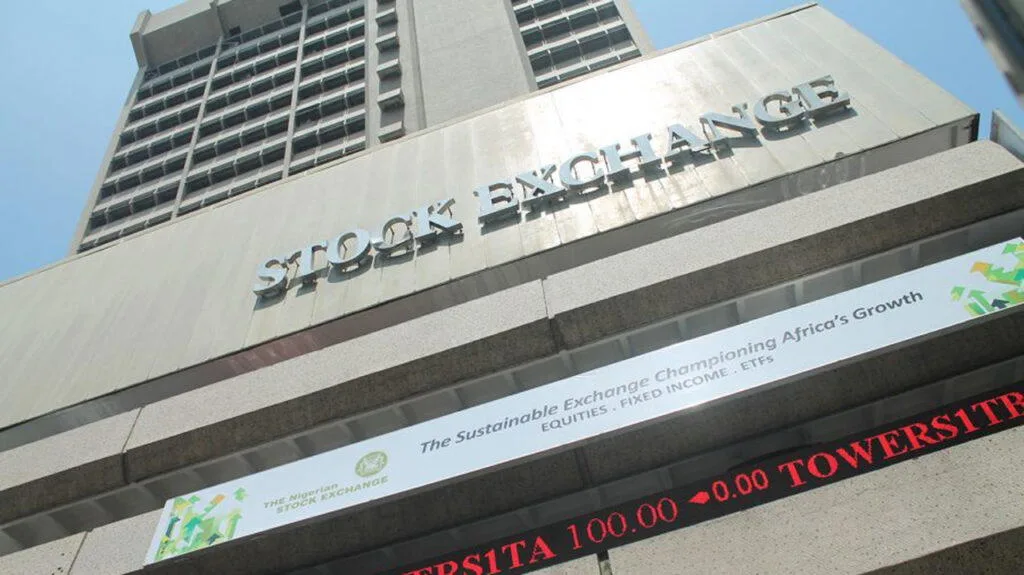
If you've ever bought or sold shares on the Nigerian Exchange, you know the waiting game. You click 'sell' on your phone, but it feels like you're waiting for a village meeting to finish before the cash actually hits your account. That annoyance is officially getting a shorter leash. Starting this Monday, June 1, 2026, the Nigerian capital market is switching to a 'T+1' settlement cycle.
So, what does this change mean for your pocket? In financial terms, 'T' stands for the trade date. The number after it tells you how many days it takes for the transaction to finalize—meaning the seller gets the cash and the buyer gets the shares in their account. For a long time, we were stuck on T+3. Then, just six months ago, we moved to T+2. Now, we're cutting it down to just one day.
This change isn't just about showing off; it's about liquidity. When money is trapped in the middle of a trade for three days, it isn't available for you to do anything else with. By shrinking that window to 24 hours, the market becomes a more active place. It's the difference between sending a letter by post and sending a WhatsApp message. You can now recycle your capital faster, which is usually what people with money want to hear.
T+1 and Beyond: Advancing Market Efficiency and Global Competitiveness
To mark this transition, the Securities and Exchange Commission, the Central Securities Clearing System Plc, and the Nigerian Exchange Group are gathering at the NGX Group House in Lagos. They are holding a ceremony at 3:00 p.m. on Monday to effectively ring the bell on the old way of doing business. It's a room full of regulators, brokers, and institutional investors who are all trying to prove that the Nigerian market can keep up with the pace of global finance.
This change essentially brings our local systems closer to the standard used in major international markets. When a foreign investor looks at Nigeria, they want to know that their money won't get stuck in bureaucratic red tape. By aligning our settlement times with global best practices, we're effectively removing one of the biggest hurdles that usually keeps international players on the fence. If the mechanics of the market work smoothly, more people are willing to put their money in.
The Mechanics of Market Evolution
The shift from T+2 to T+1 is designed to lower 'settlement risk,' which is basically the danger that one party in a trade won't be able to fulfill their side of the bargain. This new system reduces the time window where things could potentially go wrong between the buy and sell order. The Central Securities Clearing System plays the role of the invisible hand, holding the digital ledger that ensures when you give your shares, you actually receive your credit.
The Closing Gong Ceremony is a traditional theatrical display used to mark major milestones in the exchange's history, often involving senior officials and market leaders. It's a symbolic way to signal a new era in market efficiency. The move is part of a broader, ongoing campaign by the Securities and Exchange Commission to modernize how shares, bonds, and other financial instruments change hands in Nigeria.
At the end of the day, this is a technical change that feels invisible until you realize you can suddenly withdraw your profit to pay your bills a day earlier than before. The pressure is now on the technology and the brokers to ensure their systems don't crash under this faster schedule. If you're a casual investor, you probably won't feel a 'thud' when this happens, but the market as a whole will definitely be moving with a lot more pep in its step.
The Nigerian Exchange Group House in Lagos will be the venue for a ceremony to mark the beginning of the new T+1 settlement cycle, where industry stakeholders and regulators will gather to celebrate this significant development and reaffirm the Nigerian Exchange's commitment to global standards.