

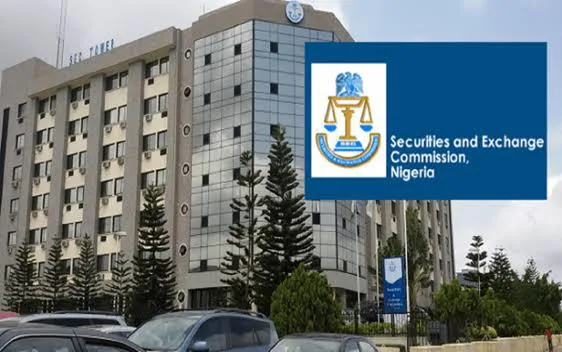
The Securities and Exchange Commission (SEC) isn't playing nice anymore when it comes to online foreign exchange (forex) trading. Yesterday, they dropped new rules that mean anyone, whether they're based here in Nigeria or chilling overseas, but targeting Nigerians with online forex trading, is now on the SEC's radar.
The commission made it crystal clear: these regulations apply everywhere in Nigeria and cover anyone offering online forex trading services to people living here. It doesn't matter if the company is registered in Nigeria or operates from some far-flung corner of the globe. The SEC's game plan is to bring all these operators into a structured regulatory environment. This includes especially the ones whose platforms jump across borders like a Nigerian athlete in the Olympics.
So, who exactly are these "Regulated Entities"? The SEC has listed them out. We're talking about Introducing Brokers, online forex brokers, broker-dealers, and even the tech companies that provide the platforms and tools for trading. But here's where it gets really interesting: offshore companies offering forex Contracts for Difference (CFD) trading services to Nigerians are also in the net.
How do they catch these international players? Simple. If an offshore company lists Nigeria as an accessible or supported country on its website, app, or even its client onboarding portal, they're subject to the rules. That means if you can access it from Nigeria, they can be regulated in Nigeria.
And it doesn't stop there. These offshore operators also fall under the hammer if they allow people in Nigeria to open or keep trading accounts. The regulatory net widens further to snag companies that advertise, market, or promote their services to us. Think Nigerian influencers hyping up trading platforms, affiliates, seminars, webinars, social media campaigns – if it’s aimed at Nigerians, it’s under scrutiny.
The SEC is even looking at Nigerian-specific features as a sign that an offshore operator is actively targeting our market. This includes things like using the Naira, referencing the Nigerian market, providing Nigerian contact details, or using promotional materials tailored for Nigeria. It’s a smart way to catch those trying to fly under the radar.
Offshore entities with representatives, agents, affiliates, or even customer support staff in Nigeria are also brought into the fold. The core idea here is to close any loopholes that foreign-domiciled forex operators might use to dodge responsibility while still serving Nigerian investors. Essentially, if you’re doing business that targets Nigerians in the online forex space, you can’t hide anymore.
This move by the SEC is a significant step in bringing order to the rapidly growing online forex trading sector. A lot of Nigerians, especially the youth, have been diving in. While the allure of quick profits is strong, the risks associated with unregulated platforms – from scams to significant financial losses – have been a growing concern. Now, investors might have a bit more peace of mind knowing that the platforms they use are supposed to be playing by established rules.