

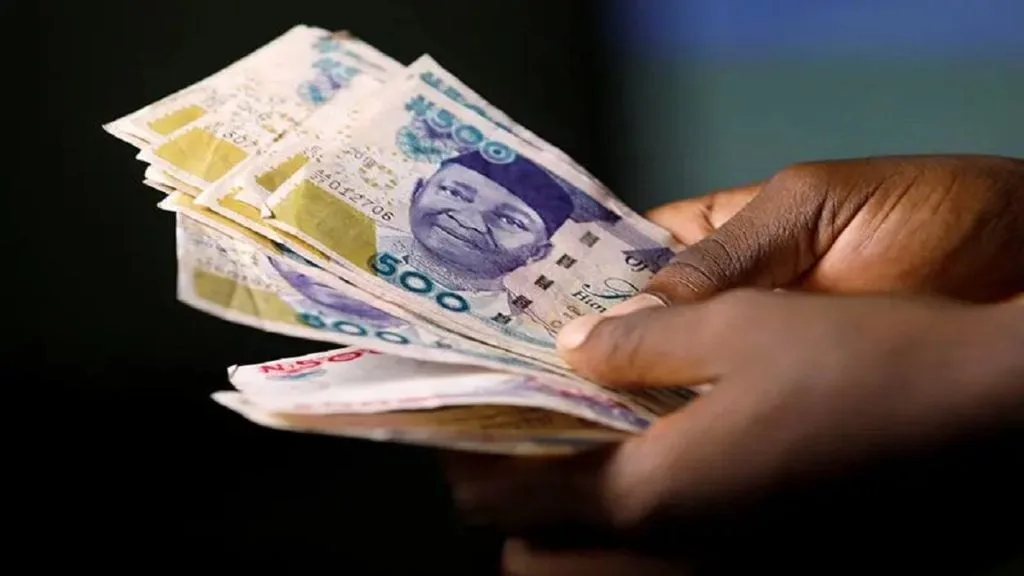
The gap between the official value of your money and what you actually pay at the bureau de change is widening again, creating a headache for anyone trying to trade or import goods. As of Tuesday, May 27, 2026, the naira hit N1,405 for every dollar in the parallel market. This is a noticeable slide from the N1,380 recorded just the day before.
The official market paradox
While the street rate is sinking, the story inside the Nigerian Foreign Exchange Market, known as the NFEM, is weirdly optimistic. Central Bank of Nigeria (CBN) data shows the naira has actually gained a bit of ground there. The rate moved from N1,377 to N1,374, an appreciation of about three naira. It's the kind of bureaucratic math that rarely aligns with the reality of a trader trying to buy spare parts or a student looking to pay school fees abroad.
This discrepancy creates a divergence that economists watch closely. When the margin between the two markets was just three naira on Monday, things felt relatively stable. By Tuesday, that gap ballooned to N28. That extra N28 isn't just a number on a screen; it's the difference between profit and loss for small businesses relying on imported raw materials.
Understanding market liquidity
A bright spot in the numbers provided by the CBN is the increase in trade volume. The turnover in the interbank foreign exchange market jumped by 31.9 percent. This pushed the total volume to $73.6 million, up from a meager $5 million. More money is moving through the official system, even if the price of that money is struggling to stay anchored to the street rate.
For the ordinary Nigerian, these fluctuations dictate the price of fuel, bread, and medicine. When the parallel market weakens, retailers often adjust their prices immediately to match the cost of replacing their stock. They don't wait for the official market to catch up. They watch the street, and right now, the street is telling a story of scarcity.
Historically, the CBN has tried to narrow this gap through various interventions, ranging from selling dollars directly to bureau de change operators to tightening liquidity in the banking system. The goal has always been to stop the speculative trading that drives the parallel market price higher. Every time the gap widens, it suggests that demand for the dollar is still significantly higher than the amount being supplied through the official window.
Key facts
- Parallel market rate: N1,405 per dollar as of May 27.
- Previous parallel market rate: N1,380 per dollar on May 26.
- NFEM official rate: N1,374 per dollar, showing a slight appreciation.
- Interbank market turnover: $73.6 million, a 31.9% increase.
- Exchange rate margin: The gap between street and official price expanded to N28.
The current situation highlights the ongoing struggle to harmonize Nigeria's currency markets. As long as importers and individuals can't access enough dollars through banks at the official rate, the parallel market will remain the primary point of reference for the man on the street. Daily shifts in exchange rates reflect the ongoing imbalance between the supply of foreign currency and the appetite of the economy.