

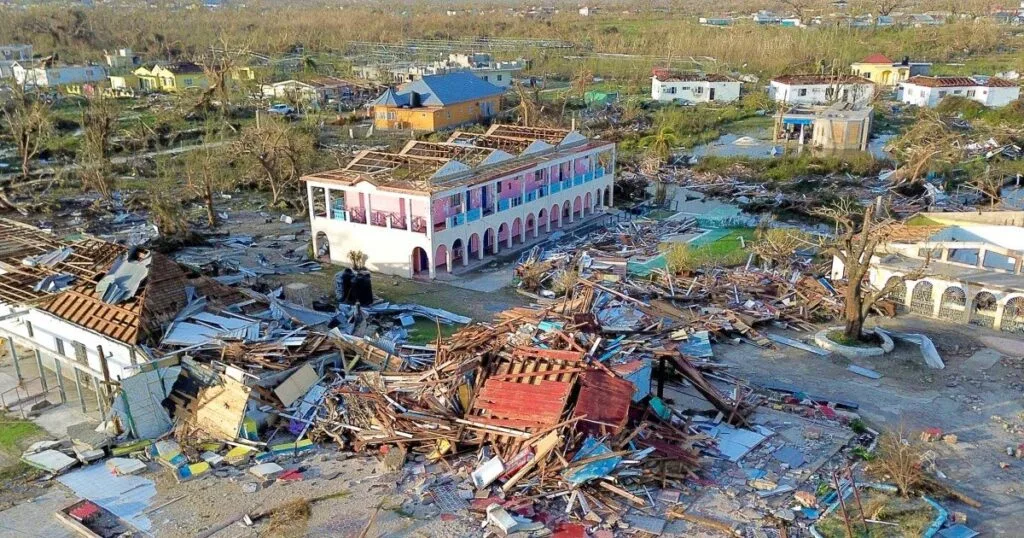
Kingston has officially upped the ante in the fight against Mother Nature’s fury. The World Bank just dropped a new catastrophe bond, locking in $200 million to insure Jamaica against the destructive power of hurricanes. This funding provides immediate liquidity to sustain essential services and infrastructure repair when the grid fails and wind speeds escalate.
This isn’t just a random policy; it’s a calculated move to replace the $150 million bond that was fully exhausted following the heavy damage caused by Hurricane Melissa in October 2025. When the island felt the full brunt of Melissa, that money wasn't just sitting in a vault—it went straight into the relief efforts. The government is betting that having even more capital on standby is the only way to prevent a natural disaster from turning into a total economic meltdown.
"Jamaica is incredibly grateful to the World Bank for its market guidance and placement of the catastrophe bond across a wide cross-section of global investors. Jamaica says ‘thank you’ to the Monetary Authority of Singapore, who will be supporting the transaction financially."
Minister of Finance and the Public Service, Fayval Williams, confirmed the deal, noting that the bond is backed by the International Bank for Reconstruction and Development. It isn't just the usual suspects looking to profit here either. International investor appetite has exploded, with 25 different entities buying into the deal. This represents a massive jump from the 15 investors who showed up for the 2024 round.
These catastrophe bonds, or 'cat bonds' if you want to sound like a Wall Street player, function as 'capital at risk' notes. If a named storm hits with specific wind speeds or pressure levels as defined in the contract, the payout is triggered automatically. This eliminates the usual red tape that keeps cash locked away when people on the ground need it the most.
This agreement is set to run until May 23, 2030. It gives the country a four-year window of protection against the increasingly unpredictable Atlantic hurricane season. By spreading the risk to global capital markets, Jamaica avoids the mistake of relying solely on its own tight fiscal budget to fix the mess left by flying roofs and flooded streets. It’s a sophisticated play for a country that knows exactly what a hurricane can do to a national balance sheet.
For those of us living in the Caribbean, this is a masterclass in disaster risk management. We have seen time and again how one bad season can set a country back by years, or even decades, if the funding isn't there to rebuild infrastructure instantly. This multi-layered strategy means that while the government covers the basics, these bonds act as the heavy-duty insurance that steps in when the disaster becomes national in scope.
Having the Monetary Authority of Singapore on board also adds a layer of international credibility to the deal. It shows that investors aren't just looking at the risk; they're looking at the resilience of the local financial system. It’s a signal that Jamaica is a serious player in the global market, even when staring down a Cat 5 storm. When the dust settles and the sun comes back out, the focus will be on ensuring this $200 million is ready to hit the ground running, rather than getting stuck in bureaucratic traffic.