

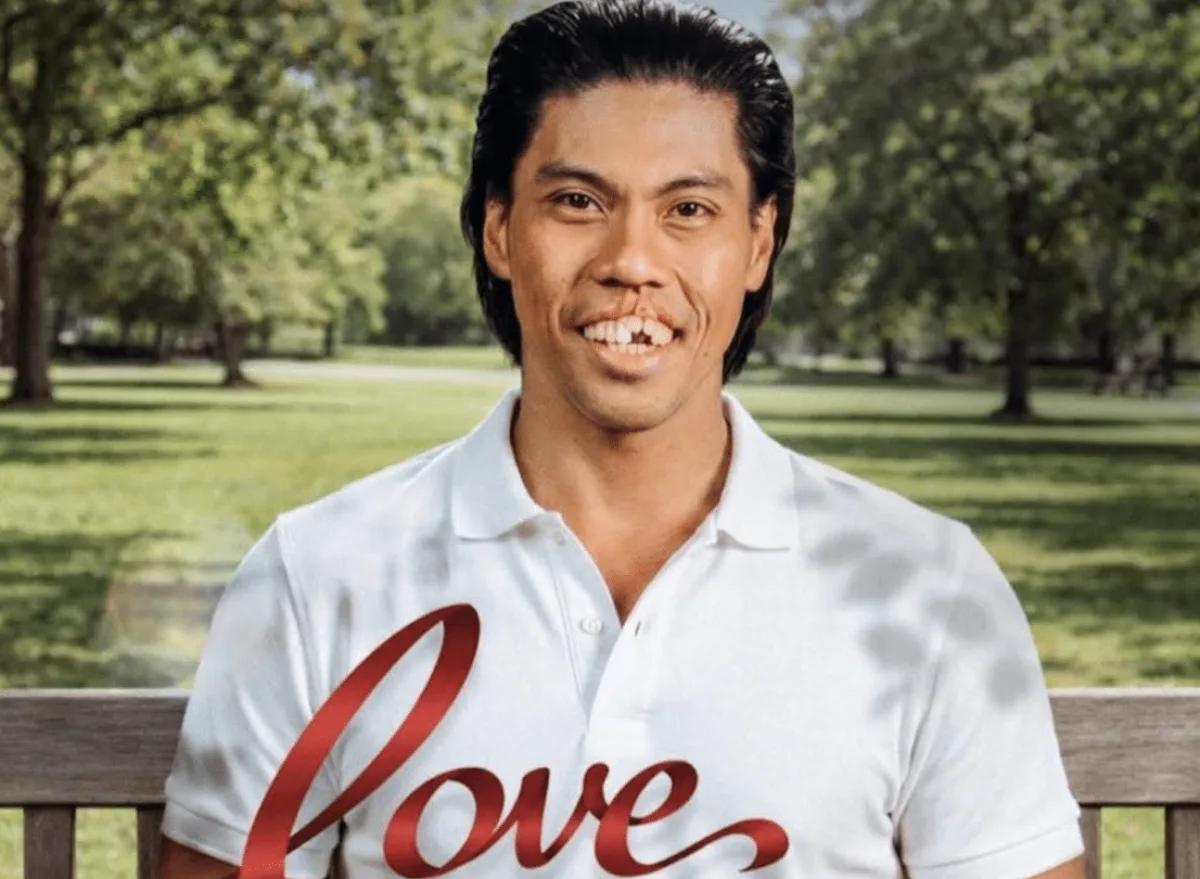
The road to the cinema has been a bumpy ride for director Darryl Yap, but his latest project, 'Love, NGO', has finally secured the green light from the Movie and Television Review and Classification Board (MTRCB). After months of public outcry and intense scrutiny, the film, formerly titled 'Ngongo', is officially cleared for public viewing. You might remember the project for the heavy backlash it received from the National Council on Disability Affairs (NCDA) over concerns regarding the portrayal of individuals with speech impairments.
At the center of this storm is actor Jerald Napoles, who takes on the lead role of a man living with a cleft palate. The NCDA had initially blocked the film, arguing that the title and the script relied on derogatory language that was deeply disrespectful to the PWD community. For many Filipinos, the term 'ngongo' has long been used as a hurtful slur, which made the original title a lightning rod for criticism before a single frame of the film had even been shown in theaters.
To resolve the impasse, the MTRCB conducted what they described as a 'meticulous review' of the entire production. This wasn't just a quick glance at a trailer. The board worked alongside the NCDA to dissect the dialogue and character depictions to ensure compliance with national standards for media representation. This collaborative approach shows that the board wanted to avoid a total PR disaster by bringing the critics into the room before making their final determination.
This release marks a pivot for Darryl Yap, as it's his first major directorial comeback following the massive, albeit polarizing, success of his historical drama, 'Maid in Malacañang'. While his previous political works leaned heavily into controversial narratives, 'Love, NGO' puts him in a different kind of spotlight. He’s essentially betting that he can tell a story about sensitive subject matter without crossing the line into exploitation. This gamble has already cost him significant social capital with disability rights groups.
'Kim Molina defends Jerald Napoles’ decision to star in Darryl Yap’s film.'
Kim Molina, who is both a prominent actress and a close associate of the film’s team, has been vocal about defending her partner, Jerald Napoles. She argued that the role isn't intended to mock, but rather to explore a character’s journey. Her public support has been a crucial element of the film's marketing strategy, as the team works hard to reframe the conversation around artistic freedom versus social responsibility. The public's decision to accept that argument remains to be seen once the film hits the big screens.
For a production company, having a film blocked by a government regulatory body is a financial nightmare, as every day of delay eats into potential ticket sales and distribution deals. While the exact budget of 'Love, NGO' hasn't been disclosed, films of this scale in the Philippine market require massive marketing spends that are hard to recover when the product is stuck in regulatory limbo. The success of this movie will hinge on whether audiences decide to vote with their wallets or stay home out of protest.
This conflict highlights a growing trend in the Philippines where social media advocacy is forcing regulatory boards to take disability representation much more seriously. In the past, derogatory portrayals might have slipped through the cracks, but today’s audience is far more vocal about what they consider offensive. The NCDA’s intervention proves that they aren't just a paper tiger but a body capable of halting a commercial release until they feel the dignity of PWDs is properly protected.
Directors are going to face much tougher hurdles when dealing with sensitive cultural themes. The MTRCB has essentially set a precedent where they are now expected to consult with relevant advocacy groups before finalizing classification for projects that touch on protected sectors of society. It’s a delicate balancing act that attempts to protect artistic expression while preventing the further marginalization of vulnerable groups.