

Get Ready for the Rare Blue Moon
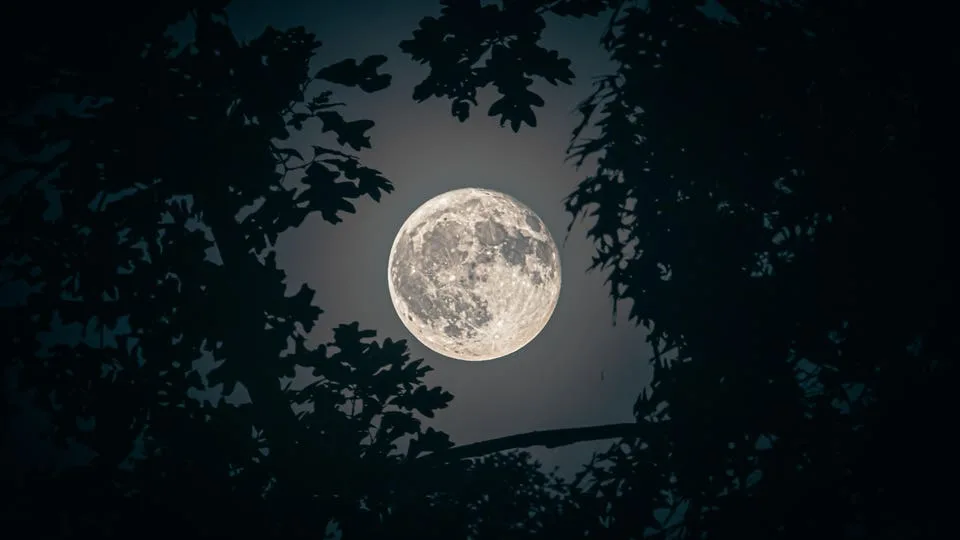
A Blue Moon is happening this weekend, and it's a rare occurrence. The Blue Moon, also known as a second full moon in a single calendar month, will rise at dusk on Saturday, May 30, offering the best moment to see the full moon, as it will appear low on the horizon, giving it scale and color.
When to Watch the Blue Moon
The 98%-lit moon is already high in the eastern sky by sunset, appearing large and bright. On Saturday, May 30, look below it for Antares, the brightest star in the summer constellation Scorpius, as it rises, creating a dramatic effect.
Why the Timing Matters
The full moon rises close to sunset on Saturday, May 30, providing the perfect opportunity to watch it emerge against a landscape, giving it scale and color that are lost when it climbs higher. This is the best evening to watch moonrise for the full Blue Moon effect.
How to See the Blue Moon
Find an unobstructed southeastern horizon at the time of moonrise where you are, and you'll see a large, orange full moon appear, accompanied by Antares just below it. The moon rises as the sun sets, creating a unique experience.
What is a Blue Moon?
A Blue Moon is simply the second full moon in a calendar month, resulting from the moon's 29.5-day cycle not aligning perfectly with our calendar. It happens every two to three years, making it relatively uncommon – but not rare.
Why It's Called the Blue Moon
The term Blue Moon relates to the rarity of having two full moons in one calendar month, and is not related to its color. Just as the sun at sunrise and sunset appears a deep orange, so too does the full moon at moonrise and moonset, due to the Earth's atmosphere scattering light.
The Science Behind the Blue Moon
Visible light, a form of electromagnetic radiation, is composed of photons – particles of light – that travel in different wavelengths. Earth's atmosphere scatters light, deflecting photons off molecules of nitrogen and oxygen, which explains why the moon appears orange during moonrise and moonset. Blue has the shortest wavelengths of light, which more easily strike molecules and scatter more readily, contributing to the phenomenon.
Next Up in the Sky
Between June 9-11, Venus and Jupiter will come together in a striking conjunction low in the western sky after sunset, one of the standout naked-eye events of the year. The new moon on June 15 will bring a brief period of dark skies before the June solstice on June 21 marks the beginning of the shortest nights of the year for the northern hemisphere.
"The beauty of the Blue Moon lies in its rarity and the unique opportunity to witness it rising at dusk." It's an experience not to be missed.
Key Facts
- A Blue Moon is the second full moon in a single calendar month.
- It occurs every two to three years.
- The moon rises at dusk on Saturday, May 30.
- The best viewing time is during dusk on Saturday, May 30.
- The Blue Moon appears as a large, orange full moon against the southeastern horizon.
- The moon's 29.5-day cycle does not align perfectly with our calendar, leading to the Blue Moon phenomenon.
- The term Blue Moon relates to the rarity of having two full moons in one calendar month, and is not related to its color.