

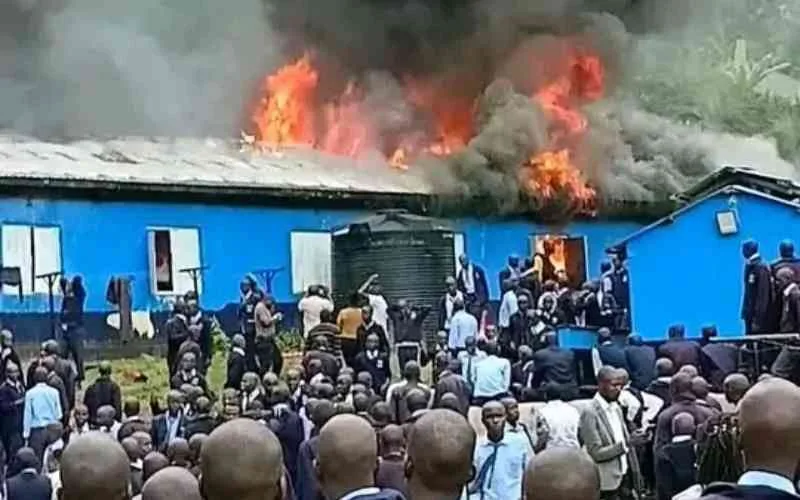
``` Sixteen families in Gilgil are currently grappling with an unimaginable loss today, May 30, 2026, after a dormitory fire at Utumishi Girls Senior School claimed the lives of 16 students. The inferno, which tore through the sleeping quarters, has once again brought national attention to the precarious safety standards within Kenyan boarding institutions.
The fire isn't an isolated event. It's happening on the heels of several weeks defined by student strikes and mysterious dormitory fires across various regions, bringing back painful memories of similar cycles where the second term, known for its academic pressure, frequently descends into chaos and disaster.
"The death of 16 girls in a dormitory fire at Utumishi Girls Senior School in Gilgil has once again thrust the country’s troubled second term into the spotlight."
The second term is widely regarded by educators and students alike as the longest and most demanding period in the academic calendar. Students are under immense pressure to finish the syllabus, which often pushes them to their breaking point. When these pressures boil over, they can manifest as property destruction or total systemic failure of school security measures.
Historical Pattern of School Unrest
Historically, Kenyan boarding schools have struggled with maintaining safety protocols during the cold months of the second term. Previous investigations into fires often point to overcrowded dormitories, years-old faulty electrical wiring that hasn't been serviced, and poor emergency exit access. The authorities frequently promise stringent audits after each disaster, yet the cycle of fires persists with alarming regularity.
Many of these institutions operate with infrastructure built for much smaller populations, forcing administrations to squeeze students into spaces that weren't designed to house them. When a fire breaks out in a poorly ventilated space, the narrow aisles and locked doors can turn simple accidents into mass-casualty events. Teachers and dorm masters are caught in the middle, managing high-stress environments with limited resources to handle nighttime emergencies.
It's a broader reflection of how we value the physical environment where our children spend nine months of the year. Parents pay school fees expecting their children will enter a safe space, yet the recurring nature of these incidents suggests a fundamental disconnect in oversight and maintenance. As investigators comb through the charred remains in Gilgil, the question remains whether this time, the findings will lead to actual changes rather than the usual cycle of grief and temporary closure.
This tragedy has significant implications for the education system. It raises questions about the safety of schools and whether they are adequately equipped to handle emergencies. It's also a reminder that the physical environment in which children learn is just as important as the academic curriculum. The Kenyan government must take concrete steps to address the underlying issues contributing to these tragic incidents. They must work with schools to implement robust safety protocols, ensure that infrastructure is adequate, and provide adequate training for teachers and dorm masters.
The lives lost in Gilgil and countless others who have suffered in similar tragedies demand nothing less.
The tragedy at Utumishi Girls Senior School is a stark reminder of the need for a comprehensive overhaul of the Kenyan education system. The country must prioritize the safety and well-being of its students above all else. This can only be achieved through a concerted effort from policymakers, educators, and members of the community. The time for change is now. ```