

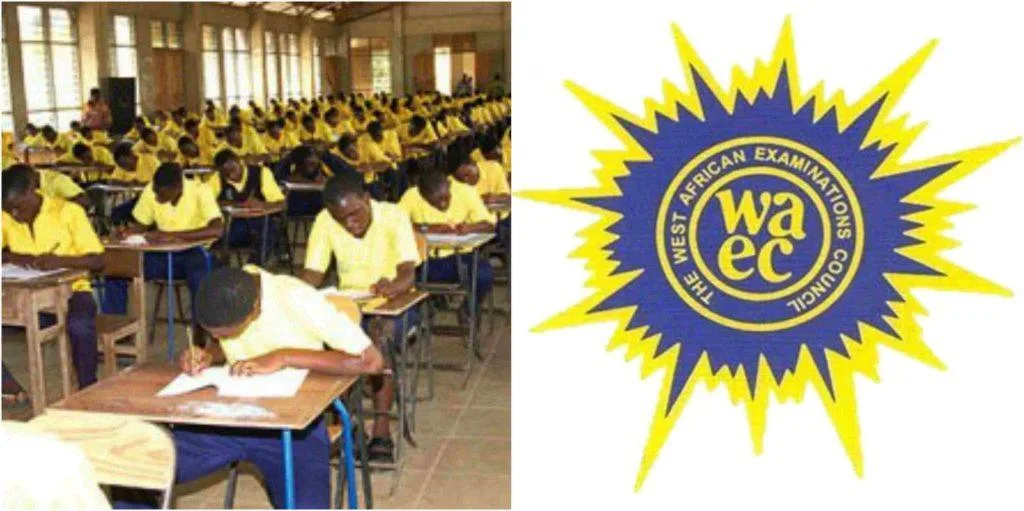
The Lagos State Government has made a significant investment in the education sector by spending ₦1.4 billion to sponsor the registration of 45,598 Senior Secondary School III students for the 2026 West African Senior School Certificate Examination (WASSCE). This effort is part of the state's strategic educational reforms and targeted learning interventions. The state's Commissioner for Basic and Secondary Education, Mr. Jamiu Tolani Alli-Balogun, disclosed this information during the 2026 ministerial press briefing.
Mr. Jamiu Tolani Alli-Balogun highlighted the improved performance of students in the 2025 WASSCE, where 61.52% of registered students earned five credits, including English and Mathematics. He didn't attribute this success to just one factor, but rather to the state's Eko Learners Support Initiative, which was launched in January 2025. This initiative aims to close learning gaps, improve exam readiness, and give every Lagos learner a fair chance to succeed. It's been successful so far, and it's likely to continue making a positive impact.
The Eko Learners Support Initiative has significantly improved students' confidence, engagement, and academic outcomes across public secondary schools. This is due to its consistency, accessibility, and alignment with examination requirements. The ministry distributed Essential Mathematics textbooks, Fundamental Formulas of English, Bedrock of English Grammar materials, and Hope-Edu textbooks to public schools across the state. They're making sure students have the resources they need to succeed.
The state government has also distributed smart learning devices to public secondary schools in March 2026. This will strengthen digital education and improve students' access to modern learning tools. A state-of-the-art Teachers Digital Hub was launched in January 2026 to enable live streaming of teaching sessions to schools across Lagos. This ensures equal access to quality educational content, which is essential for students' success.
As part of measures to improve access to education, the government has continued efforts to bring more children into the school system. They're focusing on children from underserved communities and out-of-school backgrounds. This has resulted in 4,539 candidates applying for admission into Model Colleges and upgraded secondary schools. Of these, 3,024 candidates secured provisional admission, representing a 66.62% admission rate. It's a good start, and the state's efforts are likely to pay off in the long run.
The state has also transferred 11,727 students into public Junior Secondary School II and Senior Secondary School I classes across Lagos. In terms of infrastructure development, 15 schools were constructed or rehabilitated in hard-to-reach communities. Modular classrooms were deployed in several schools to reduce overcrowding. The state's making a concerted effort to improve education, and it's showing.
The completion of the Tolu School Complex in Ajegunle is a major achievement. It provides a massive educational facility comprising 36 schools serving over 20,000 students. The state supplied 223,343 ergonomic furniture units to public schools, completed eight new 18-classroom blocks in 2025, and commenced construction of 18 additional classroom blocks in 2026. They're invested in providing quality education, and it's clear they won't stop anytime soon.
"The Eko Learners Support Initiative, launched in January 2025, aims to close learning gaps, improve exam readiness and give every Lagos learner a fair chance to succeed," said Mr. Jamiu Tolani Alli-Balogun. He's confident it'll make a difference, and the numbers so far suggest he's right.
The state's efforts in education are expected to have a positive impact on the future of its students. They'll have better opportunities for success, and they won't be held back by a lack of resources. With the continued investment in education, Lagos State is setting a precedent for other states to follow. They're prioritizing the development of their youth, and it's a strategy that's likely to pay off.
Key Facts
- 61.52% of public secondary school students sponsored by the state obtained five credits, including English Language and Mathematics, in the 2025 WASSCE. This is a significant improvement, and it's a testament to the state's efforts.
- ₦1.4 billion was spent to sponsor the registration of 45,598 Senior Secondary School III students for the 2026 WASSCE. It's a major investment, but it's one that'll likely yield positive results.
- The Eko Learners Support Initiative was launched in January 2025 to close learning gaps and improve exam readiness. It's been successful so far, and it's likely to continue making a positive impact.
- Smart learning devices were distributed to public secondary schools in March 2026 to strengthen digital education. This will give students access to modern learning tools, and it'll help them stay competitive.
- A state-of-the-art Teachers Digital Hub was launched in January 2026 to enable live streaming of teaching sessions. This ensures equal access to quality educational content, which is essential for students' success.
The future of education in Lagos State looks promising, with the government's commitment to providing quality education and equal access to educational resources. As the state continues to invest in its youth, it's likely to see positive outcomes in the years to come. They're making a concerted effort to improve education, and it's showing.
The impact of these efforts will be closely monitored, and the state's progress will be evaluated based on the success of its students. With the right support and resources, Lagos State's students are poised to achieve great things and make a positive contribution to society. They won't be held back by a lack of resources, and they'll have the opportunities they need to succeed.
The Lagos State Government's investment in education is a step in the right direction, and its efforts are expected to yield positive results in the long run. By providing access to quality education, the state is giving its youth the tools they need to succeed and make a difference in their communities. It's a strategy that's likely to pay off, and it's one that'll have a lasting impact on the state's future. The state's commitment to education is clear, and it's likely to make a real difference in the lives of its students.