

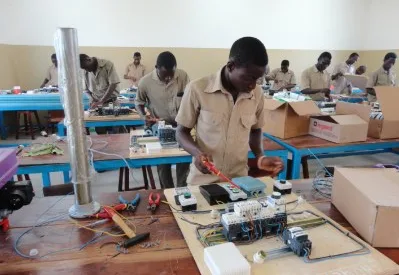
The surge in out-of-school children in Lagos has become a pressing concern, with parents and stakeholders advocating for a shift in the education paradigm. You might be surprised to learn that Lagos State alone has over 200,000 out-of-school children, a number that continues to swell. This issue isn't new; it's been years in the making, but the recent advocacy by parents for technical schools has brought it back into the spotlight. At a recent meeting, parents and education experts discussed the need for more technical schools to provide vocational alternatives to conventional education. They believe this approach could help address the root causes of the problem.
The meeting, attended by parents, teachers, and education officials, highlighted the need for urgent action. Mrs. Funmi Adebayo, a parent and advocate for technical education, emphasized that the current education system isn't meeting the needs of all children. 'We need to think outside the box and provide alternatives that can engage our children and prepare them for the future,' she said. The conversation around technical schools isn't new, but the urgency and the numbers involved make it more pressing than ever.
The Lagos State government has been working to address the issue, but progress has been slow. The introduction of the Universal Basic Education (UBE) Act in 2004 aimed to ensure every child has access to basic education, but implementation has been inconsistent. With over 200,000 out-of-school children in Lagos, the situation demands innovative solutions. Parents are pushing for technical schools that can offer vocational training in areas like agriculture, engineering, and entrepreneurship.
The benefits of technical schools can't be overstated. They provide practical skills that can lead to employment or entrepreneurship, reducing the reliance on conventional education pathways. For instance, a technical school in Lagos offering training in solar panel installation could equip students with skills to start their own businesses or secure jobs in the renewable energy sector. It's a win-win situation: the students gain employable skills, and the economy benefits from a more skilled workforce.
Key Facts
- Over 200,000 out-of-school children in Lagos State
- The UBE Act was introduced in 2004 to ensure access to basic education
- Parents and stakeholders are advocating for more technical schools
- Technical schools can offer vocational training in areas like agriculture, engineering, and entrepreneurship
The Out-of-School Crisis in Lagos
The issue of out-of-school children in Lagos is multifaceted. It involves factors like poverty, lack of access to schools, and the curriculum not being relevant to the needs of the children. The situation is further complicated by the fact that many schools in Lagos are overcrowded and under-resourced. This has led to a high dropout rate, with many children opting out of school due to lack of interest or relevance.
The Lagos State government has implemented various initiatives to address the issue, including the establishment of the Lagos State Education Resource Centre. However, more needs to be done to tackle the root causes of the problem. The advocacy for technical schools is a step in the right direction, as it acknowledges the need for alternative education pathways.
Benefits of Technical Schools
Technical schools offer a range of benefits, including practical skills training, entrepreneurship development, and employment opportunities. They provide an alternative to conventional education, which can be particularly beneficial for children who don't thrive in traditional academic settings. By offering vocational training, technical schools can help address the skills gap in various industries.
For example, a technical school offering training in culinary arts could equip students with skills to start their own restaurants or secure jobs in hotels and restaurants. The benefits extend beyond the individual, as a more skilled workforce can contribute to economic growth and development.
Challenges and the Way Forward
Despite the benefits, establishing and maintaining technical schools comes with its own set of challenges. Funding is a significant issue, as these schools require specialized equipment and facilities. There is also the challenge of changing perceptions about technical education, which is often seen as inferior to conventional education.
However, with the right support and investment, technical schools can be a game-changer for Lagos State. The government, parents, and stakeholders must work together to address the challenges and make technical education a viable option for out-of-school children.
A Parent's Perspective
"We need to think outside the box and provide alternatives that can engage our children and prepare them for the future."
- Mrs. Funmi Adebayo
Mrs. Adebayo's words capture the essence of the advocacy for technical schools. As a parent, she understands the challenges of the current education system and the need for innovative solutions. Her perspective highlights the importance of collaboration between parents, government, and stakeholders to address the out-of-school crisis.
The Future of Education in Lagos
The push for technical schools in Lagos is a step towards a more inclusive and relevant education system. It acknowledges the diversity of children's needs and abilities, providing alternatives that can engage and empower them. As the conversation around technical education continues, it's essential to consider the challenges and opportunities involved.
The future of education in Lagos depends on the ability of stakeholders to work together and provide innovative solutions to the out-of-school crisis. With the right approach, technical schools can become a vital part of the education landscape, offering practical skills and employment opportunities to out-of-school children.
Conclusion
The advocacy for technical schools in Lagos highlights the need for a more inclusive and relevant education system. With over 200,000 out-of-school children in Lagos State, the situation demands urgent action. By working together, stakeholders can provide innovative solutions to the out-of-school crisis and empower children with practical skills and employment opportunities.