

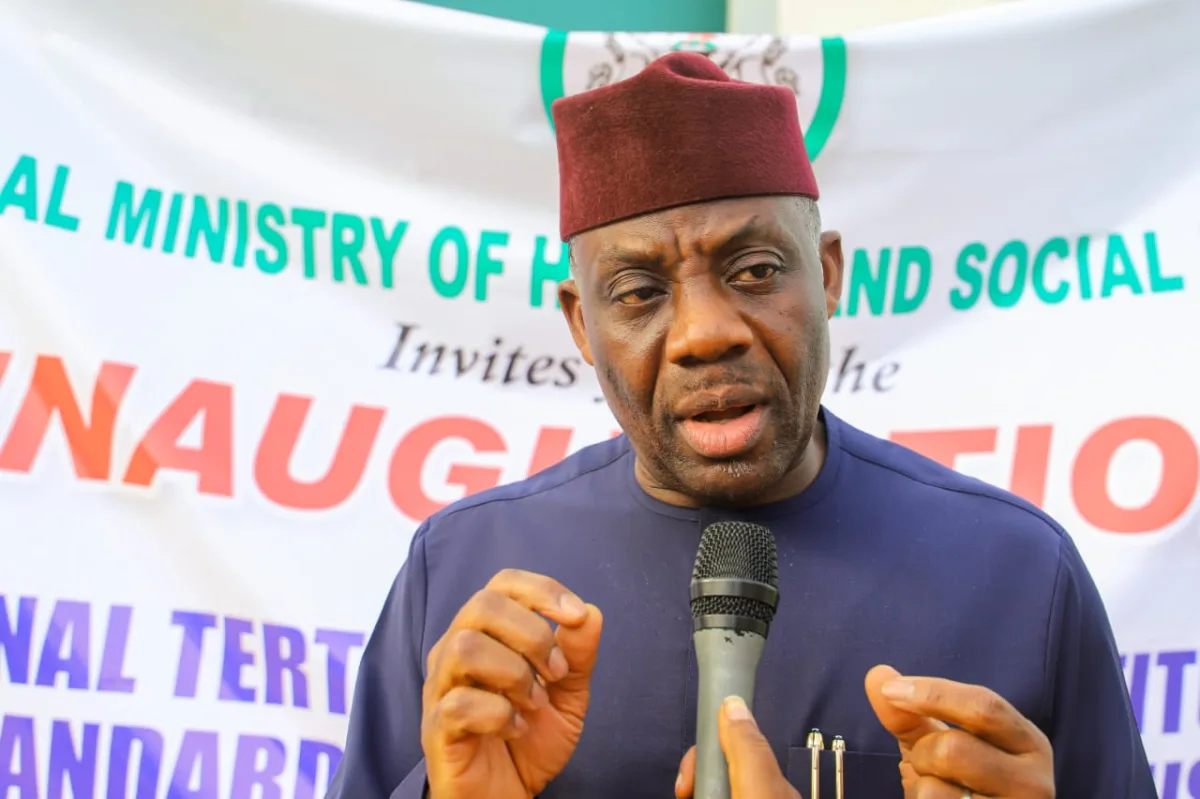
Dr. Tunji Alausa, the Minister of Education, has defended the Federal Government’s decision to exempt candidates seeking admission into Colleges of Education from writing the Unified Tertiary Matriculation Examination (UTME). He described the move as part of broader reforms aimed at reversing declining enrolment and expanding access to higher education by teachers. The Minister said this while responding to questions on policy on Channels TV programme, “Politics Today” anchored by Seun Okinbaloye and monitored by Persecondnews on Tuesday evening. Alausa said the decision was backed by data showing that a large number of Colleges of Education and polytechnics were attracting very low admission interest from candidates across the country.
We do all these things based on data, not just based on abstraction, We looked at the numbers, we looked at the enrolment trends and we realised that we have all these institutions but young Nigerians are not going there,” he said. According to him, Nigeria’s youthful population makes education reform critical to national development and economic growth. “We have this huge pool of young Nigerians we need to turn into demographic dividend for the country,” he said.
Explaining the rationale behind the new admission policy, Alausa disclosed that more than 80 per cent of Colleges of Education recorded fewer than 100 first-choice applicants. “Today, we have about 255 Colleges of Education in the country, both private and public. 214 of those colleges had less than 100 people choosing them as their first choice. That represented about 84 per cent of the total Colleges of Education,” he said. The minister added that similar trends were observed in polytechnics and monotechnics offering agriculture and non-technology programmes.
The Federal Government had already introduced a “dual mandate” system in federal Colleges of Education. This mandate will allow students to obtain both the Nigeria Certificate in Education (NCE) and a Bachelor’s degree in Education within five years. “Anybody that goes to any of our Colleges of Education now can do three years NCE and continue for another two years to finish a Bachelor’s degree in Education,” he explained.
Key Facts
- Date: 2026-05-13
- Minister of Education: Dr. Tunji Alausa
- Number of Colleges of Education: 255
- Number of Colleges of Education with less than 100 first-choice applicants: 214
- Percentage of Colleges of Education with less than 100 first-choice applicants: 84%
- Number of Polytechnics and Monotechnics: 772
- Number of Polytechnics and Monotechnics with less than 100 first-choice applicants: 480
- Programme mentioned: Nigeria Certificate in Education (NCE) and Bachelor’s degree in Education
- TV Programme: “Politics Today”
Background on Education Reforms
The Federal Government’s move to exempt NCE admissions from UTME is part of a broader strategy to revamp the education sector. For years, Nigeria has struggled with low enrolment in tertiary institutions, particularly in Colleges of Education and polytechnics. The government aims to make education more accessible and attractive to young Nigerians. By removing the UTME barrier, the government hopes to encourage more students to consider a career in education.
The UTME and Its Implications
The Unified Tertiary Matriculation Examination (UTME) has been a critical component of Nigeria’s education system, serving as a gateway to tertiary education. However, the high stakes and intense competition have often led to low morale among students and a narrow focus on academic achievement. The exemption for NCE admissions is seen as a way to diversify the education landscape and promote a more inclusive approach to learning.
Dual Mandate System
The introduction of the dual mandate system in federal Colleges of Education is a significant innovation. By allowing students to pursue both the NCE and a Bachelor’s degree in Education, the government aims to provide a more comprehensive education experience. This approach not only enhances the employability of graduates but also addresses the shortage of qualified teachers in the country.
Implications for the Future
The success of these reforms will depend on effective implementation and monitoring. The government must ensure that the exemption from UTME does not compromise the quality of education. Moreover, there is a need for sustained efforts to promote the new programmes and attract more students to Colleges of Education and polytechnics. As Dr. Alausa noted,
“The mantra now is that we want to give knowledge to young Nigerians, educate them, make them productive to themselves, their communities and the nation at large.”
Challenges Ahead
Despite the optimism, there are challenges ahead. The low enrolment crisis in Colleges of Education and polytechnics is a symptom of deeper issues, including inadequate infrastructure, poor teaching quality, and limited job opportunities for graduates. Addressing these challenges will require substantial investment and a coordinated effort from all stakeholders.
What This Means for Students
For students, the exemption from UTME and the dual mandate system offer new opportunities. It provides a more flexible and accessible pathway to higher education, particularly for those interested in a career in education. However, students must be aware of the implications of these changes and make informed decisions about their educational and career paths.