

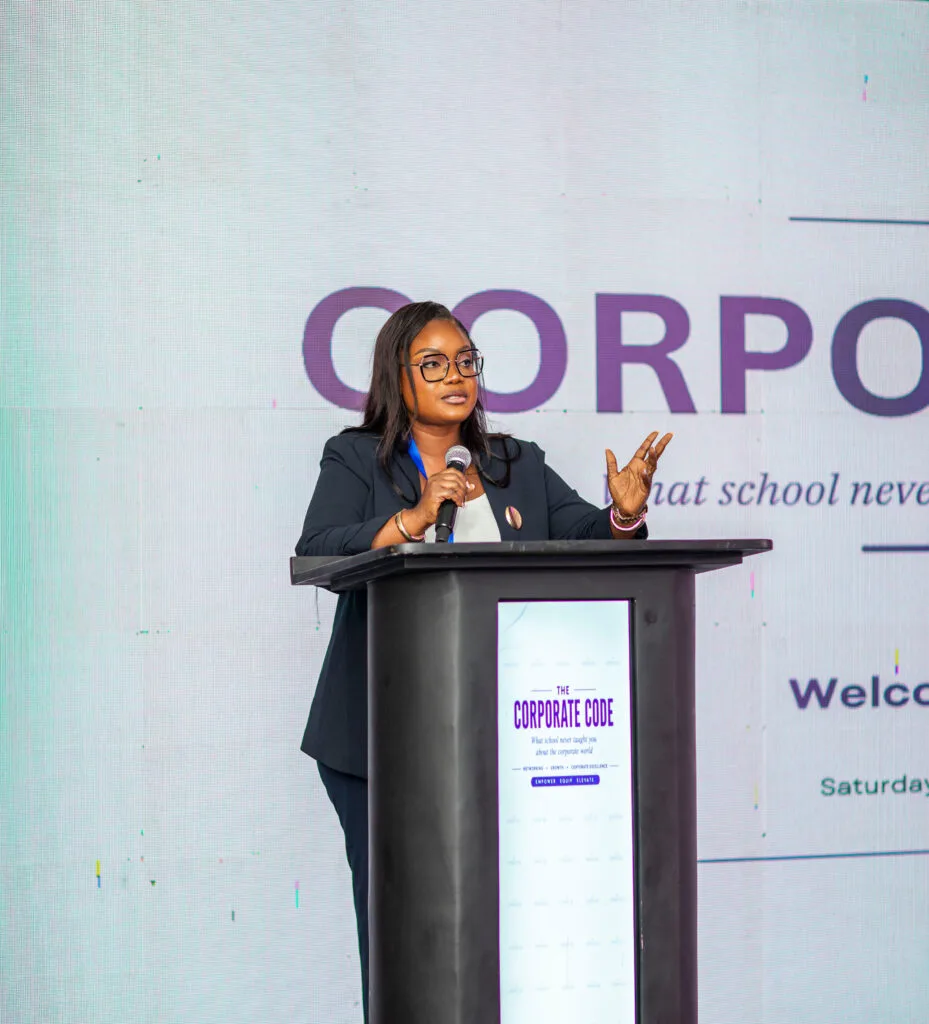
Your degree might look shiny on paper, but if you’ve ever walked into an office, you know that the real game isn't found in a textbook. Today, the world of work just got a bit more complicated, and someone has finally decided to say the quiet part out loud. The Corporate Code officially launched this May 27th, 2026, aiming to turn those wide-eyed, nervous graduates into professionals who actually know how to survive from nine to five.
Most fresh graduates leave campus thinking that hard work and a good GPA are the only keys to the kingdom. That's often a fast track to disappointment. Selina Buabeng, the HR Specialist who founded this initiative, knows that the corporate ladder is built on steps that nobody ever mentions in class. She’s seen enough brilliant, capable young people get stuck because they didn't understand the invisible systems that run an office. She decided it was time to bridge the gap between the theory taught in lecture halls and the cold reality of the boardroom.
The Corporate Code isn't just an event; it's a movement. This movement prepares young professionals to get into the room and thrive once they are there.
This isn't about teaching you how to write a generic cover letter you found on the internet. Selina Buabeng says the movement focuses on "corporate grooming." This covers everything from how you carry your value to the way you communicate with seniors and peers. It’s about learning how to show up when the pressure is high and the expectations are unclear. Chale, if you think corporate life is just about working hard, you’re in for a long ride. Understanding office politics is often the difference between a promotion and a dead end.
During the launch event, senior HR experts and career coaches sat down for a round-table conversation to spill the tea on their own professional journeys. They discussed the stuff that usually gets left out of official training manuals. They covered how to handle difficult bosses, how to navigate messy office dynamics without burning bridges, and why competence alone rarely carries you to the top. The platform promises to operate on truth, stripping away the corporate jargon to give graduates a real-world edge. They want to ensure that when you enter a workspace, you aren't just a body in a chair, but a person with a strategy.
For many young people in Accra, the job market feels like a closed circle where you need experience to get a job, but you need a job to get experience. This initiative handles that specific frustration by refining how applicants prepare for live interviews. By focusing on intentionality and confidence, the goal is to make sure your first interview isn't a nervous wreck of a meeting. Instead, it becomes a professional exchange where you demonstrate exactly what you bring to the table.
This initiative addresses the widening gap between what companies need and what graduates offer. While formal education in Ghana remains the standard for entry, the shift toward soft skills—communication, emotional intelligence, and strategic thinking—has become the new requirement for advancement. By providing a structured way to learn these unwritten rules, the organisers hope to shift the focus from merely finding a role to actually building a career that lasts. The conversation has finally started regarding how these skills will shape the future of our local office culture.