

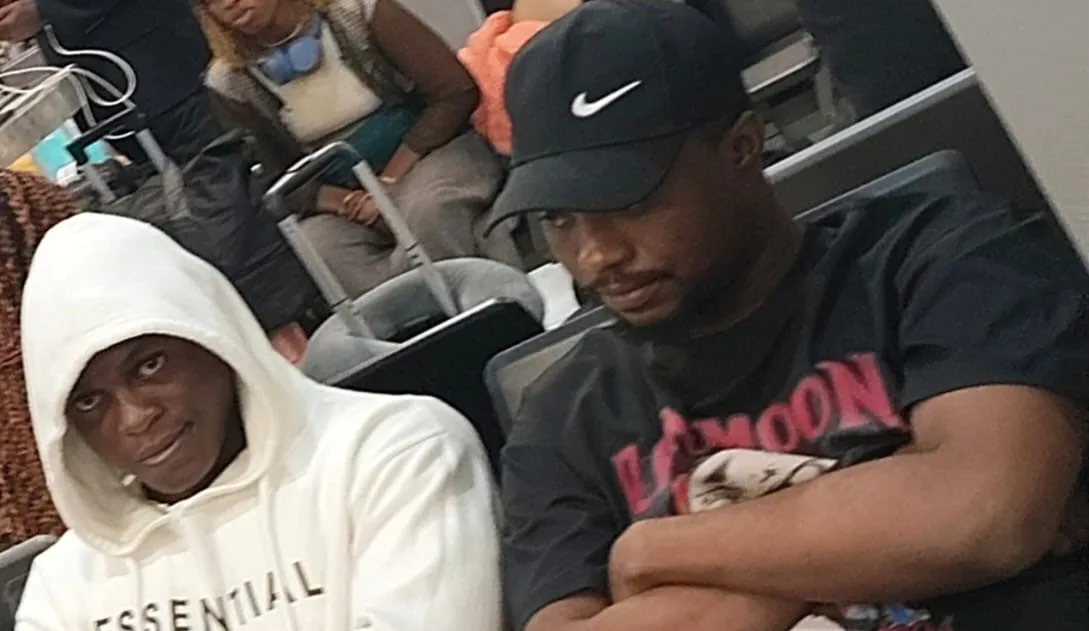
Two Nigerians, Adebola Adekunle and Mudasiru Olawale, have been sent to the United States to answer serious charges. The US Federal Bureau of Investigations (FBI) confirmed their extradition on Friday, bringing them to American soil to face accusations including sexual exploitation of minors, coercion, extortion, and distributing child sexual abuse material. The FBI’s Director, Kash Patel, called them “high-value targets,” emphasizing their return to “face justice for alleged sextortion crimes and targeting minors.”
These aren't just random accusations. Patel made a chilling statement: one of the alleged schemes they were involved in resulted in the death of a child. This is the stark reality of online dangers many young people face.
Nigeria's anti-corruption agency, the Economic and Financial Crimes Commission (EFCC), announced the extradition on Wednesday. Their spokesperson, Dele Oyewale, confirmed that both men were extradited following investigations done in partnership with the FBI. The Office of the Attorney-General of the Federation also played a crucial role in facilitating this process.
According to the EFCC, FBI investigations identified Adekunle and Olawale in separate sextortion plots. These schemes specifically targeted male minors, mainly teenagers between 13 and 17 years old. The perpetrators used Child Sexual Abuse Material (CSAM) as leverage, threatening to release these images unless victims paid up. Payments were demanded through various methods, including gift cards, money remitters, and cryptocurrency.
The FBI investigations pointed to two specific cases in the US where American minors died by suicide after being subjected to this online sexual exploitation and extortion. The EFCC highlighted one particularly disturbing case: a 13-year-old boy received a direct message on Instagram. The sender proposed an exchange of nude photos and later threatened to share the boy's pictures with his contacts if he didn't pay money.
What’s more chilling is that communications reportedly continued even after the minor expressed suicidal thoughts. The FBI, gathering intelligence that identified the individuals involved, then asked the EFCC for help in investigating and prosecuting them under Nigerian law. Adekunle was arrested and brought before the EFCC.
For Mudasiru Olawale, the situation was a bit more complex legally. The FBI sought his extradition on seven counts, including sexual exploitation of a minor resulting in death. He also faced charges related to attempted enticement of a minor, interstate threatening communications, and distributing child pornography. The EFCC initiated extradition proceedings against him at the Federal High Court in Lagos.
However, the legal path wasn't straightforward. On June 10, 2024, a Federal High Court judge rejected the extradition application. But the Office of the Attorney-General of the Federation appealed this decision. On July 7, 2026, the Court of Appeal in Lagos overturned the earlier judgment, clearing the way for Olawale's extradition.
This extradition signals a continued collaboration between Nigeria and the United States. Both nations are working together to combat transnational crimes, especially those involving financial and internet-related offenses that harm vulnerable populations. Tackling the online exploitation of minors and sextortion is a priority in this joint effort.