

If you thought the European car market was just about the familiar rumble of German engineering, think again. The latest numbers from the European Automobile Manufacturers’ Association show a major shake-up happening on the roads. It’s not the brands your grandfather swore by that are winning the race.
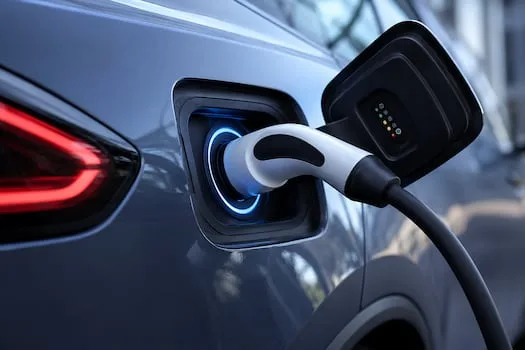
While drivers are busy ditching petrol and diesel engines, Chinese automotive giants are stepping in to fill the gap. In April alone, registration numbers across the European Union, Britain, and the European Free Trade Association climbed by 7%. They hit over 1.15 million new vehicles. This growth is driven almost entirely by the shift toward electrified cars—a category that includes battery-electric, plug-in hybrid, and standard hybrid models.
"The shift also continued to reshape competition among carmakers," noted the latest industry bulletin released this Wednesday.
These electrified models now account for more than two-thirds of all new registrations. Meanwhile, traditional internal combustion engines are taking a serious beating, with petrol and diesel sales dropping by 15% and 17% respectively. A mix of government subsidies, fresh policy support, and the rising cost of fuel is forcing even the most stubborn drivers to reconsider what they keep in their garages.
The most dramatic story here is the speed at which Chinese brands are claiming territory. BYD, the Shenzhen-based juggernaut, saw its registrations soar by 114.5%, clocking in at 27,008 units. To put that in perspective, they've officially overtaken Tesla. Tesla is only just starting to find its footing again after a rough year.
Tesla’s recovery is notable, as they finally broke a year-long losing streak. They posted a 46.5% jump in registrations to 10,654 for the month. They're still playing catch-up to the aggressive expansion of brands like Chery, which saw a staggering 322% increase. These aren't just small niches anymore. These companies are building the infrastructure and supply chains to dominate the mid-range market, a space previously guarded by the likes of Volkswagen and Renault.
Established players are having a very mixed experience. Volkswagen managed a slim 3.5% rise, while BMW saw a modest 2.4% gain and Mercedes-Benz crept up by 7%. It’s a tight, uncomfortable squeeze for these giants. Renault actually saw a 3.6% dip in their registrations. The competition is fierce, and the move to electric power has completely flattened the playing field.
Not every country is moving at the same speed, but the big players are charging ahead. Italy is leading the pack with an eye-watering 73% surge in battery-electric registrations for the year so far. France follows closely with 48%, and Germany—the historic heart of the European car industry—isn't far behind with 41% growth.
These numbers matter because they dictate where the factories and the charging infrastructure will land next. When a country like Germany, which has long been the home of diesel dominance, pivots this hard to electric, it signals that the transition is no longer a fringe project for wealthy tech enthusiasts. It’s the new normal.
For anyone keeping an eye on global markets, this is a masterclass in how quickly an industry can reinvent itself. What started as a push for lower-emission vehicles has turned into a total redistribution of market power. While legacy manufacturers are busy trying to protect their margins, the newcomers are focusing on volume and price. They're effectively changing the game for the everyday buyer who just wants a reliable, modern set of wheels.