

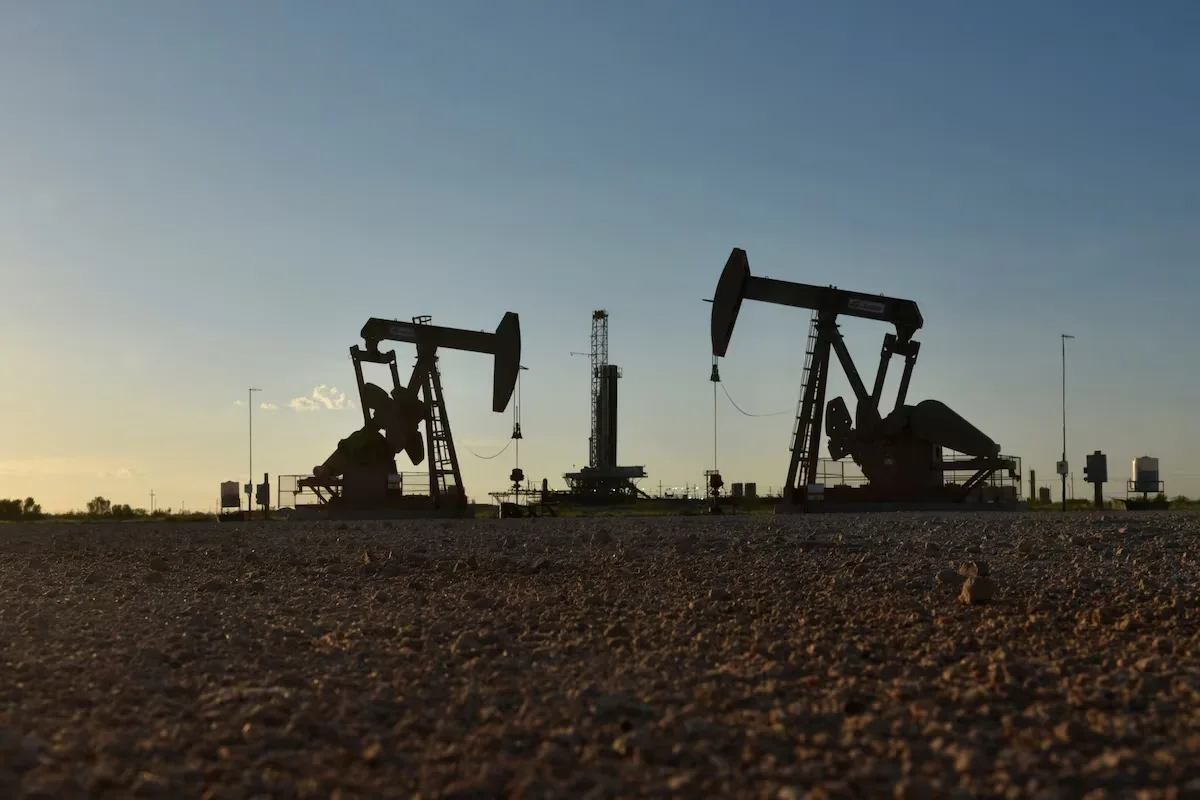
The Volatile Flow of Crude
Global oil markets took a tumble this Wednesday morning, wiping out a 4% gain from the previous day. Brent crude, the international benchmark, dropped by $1.42 to settle at $98.16 per barrel by 0253 GMT. Meanwhile, U.S. West Texas Intermediate (WTI) crude fell by $1.66, settling at $92.23. These numbers show just how jumpy investors are feeling as they watch the situation in the Middle East.
Everything changed when the U.S. military launched fresh strikes inside Iran on Tuesday. These military actions shattered the cautious optimism that had built up over the weekend, when it looked like the U.S. and Iran were nearing an agreement to end their three-month-old conflict. Iran didn't stay quiet, claiming the U.S. strikes were a clear violation of a ceasefire established back in April.
The Strategic Chokepoint
The conflict has centered on the Strait of Hormuz, a narrow waterway that serves as the most important oil conduit on the planet. For Nigeria, where our economy is still largely tied to the price of oil, any disruption in this region feels like a direct hit. When prices spike because of instability in the Gulf, it sends shockwaves all the way to our filling stations in Accra and beyond. The hope for a quick resolution has been consistently undermined by renewed hostilities. Israel intensified its bombing campaign in Lebanon just this week.
"The United States has violated the ceasefire by striking targets near the contested Strait of Hormuz," officials in Iran stated during a press conference on Tuesday.
Washington, on the other hand, maintains that their actions were strictly defensive. They claim the strikes were necessary to protect their interests while the delicate process of reopening the strait for tanker traffic stalled out. The uncertainty makes it incredibly hard for global supply chains to plan. No one wants to send a vessel into a war zone until the coast is clear.
Signs of Life in the Pipeline
Despite the noise of bombs and angry political rhetoric, there's a tiny glimmer of hope. Recent reports indicate that a handful of Liquefied Natural Gas (LNG) tankers managed to successfully navigate through the strait over the last few days. For traders, the passage of these ships suggests the waterway might not be permanently shuttered. If these ships continue to pass, it could ease the global supply crunch and stabilize prices.
- Brent crude is trading at $98.16 per barrel.
- WTI crude has retreated to $92.23 per barrel.
- The conflict between the U.S. and Iran is currently in its third month.
- An April ceasefire attempt has been largely neutralized by this week's fighting.
- Ongoing Israeli bombing in Lebanon is further complicating regional diplomatic efforts.
The real test is whether the U.S. and Iran can return to the negotiating table before the violence spirals further. Traders are simply reacting to every headline. Until there's a solid, ironclad agreement to keep the strait open, the price of crude will keep swinging like a pendulum.