

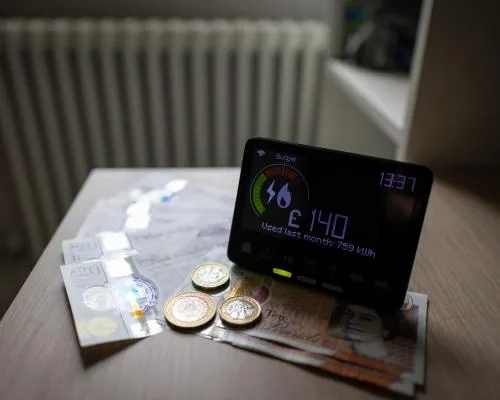
Your bank balance is about to take a proper wallop, and honestly, you might want to pour yourself a stiff drink before reading this. Ofgem, the regulator in charge of energy, has confirmed that the price cap is jumping by 13% starting July 1st. For the average household, this means bills are heading from £1,641 up to £1,862 a year. It’s the sharpest summer hike we’ve seen in four years. If you were hoping for a quiet few months before the cold sets in, you’re out of luck.
The rise in July energy prices will be felt across households already stretched by the cost of living. Even though it was widely anticipated, that doesn't make it any easier to bear.
That was Dr Craig Lowrey, the principal consultant at Cornwall Insight, speaking on why this news is so gutting. Cornwall Insight acts as a lead market analyst, keeping a close eye on the numbers that decide how much we pay to keep the lights on. They’re already warning that the real headache isn't just the summer rise, but what happens once the leaves start falling. They’ve crunched the numbers and forecast that the cap could climb to £1,899 between October and December. That is a further 2% jump arriving exactly when everyone starts cranking up their central heating again.
Tim Jarvis, the CEO of Ofgem, points the finger directly at the ongoing war in Iran for the price volatility. Because global energy markets are in a proper state, wholesale gas prices have remained high, and those costs are being passed straight down the food chain to our homes. The regulator sets the cap based on the costs suppliers face to buy energy, including those daily standing charges that you pay regardless of whether you’ve used a single bulb of electricity or not. It’s a messy business. For many families, it’s not an academic debate—it’s a question of whether the flat will be warm or freezing.
Don't expect the price to dip just because the calendar moves. Many people have been crossing their fingers, hoping that if the fighting in the Middle East stopped tomorrow, prices would bounce back to normal. Dr Lowrey explains that’s just wishful thinking. Infrastructure has been damaged, supply chains are in tatters, and market confidence is basically non-existent. These scars don't heal overnight, and the knock-on effects are going to be baked into our bills for much longer than most analysts previously predicted.
While the government is under the cosh to figure out who gets support, we’re stuck in a loop of reacting to short-term crises. We rely heavily on energy imports. Until there’s a massive move away from that model, we’ll be having this exact same conversation every time a conflict flares up abroad. It’s a reminder of why the energy network is undergoing the "biggest transformation of our lifetime" to build a system that won't collapse every time the global market sneezes.
There are a few small things you can do, though they feel a bit like putting a plaster on a broken leg. Ofgem suggests checking if a fixed tariff is right for you or looking into changing how you pay your bills. If you’ve got a smart meter, you might be able to snag cheaper electricity on weekends, which is at least something to hold onto. Still, for most households already feeling the squeeze, this isn't enough to stop the impending winter dread. Keep an eye on your inbox for news in August when the final October cap is locked in.
Monitor energy regulation updates for the final projections.