

Imagine waking up, putting on your uniform, and heading to your shift at the supermarket, only to find out that your bank account won't have any money in it at the end of the month. That’s exactly the reality facing the staff at OK Zimbabwe this week. Over the weekend, the retail giant announced a total suspension of all salary and wage payments. This drastic measure follows a Joint Works Council resolution signed on May 22, 2026, which effectively pulled the plug on the payroll until the business returns to profitability.
"The arrangement is a direct violation of the Labour Act, which makes it clear that collective bargaining agreements shall not come into effect outside wide consultations."
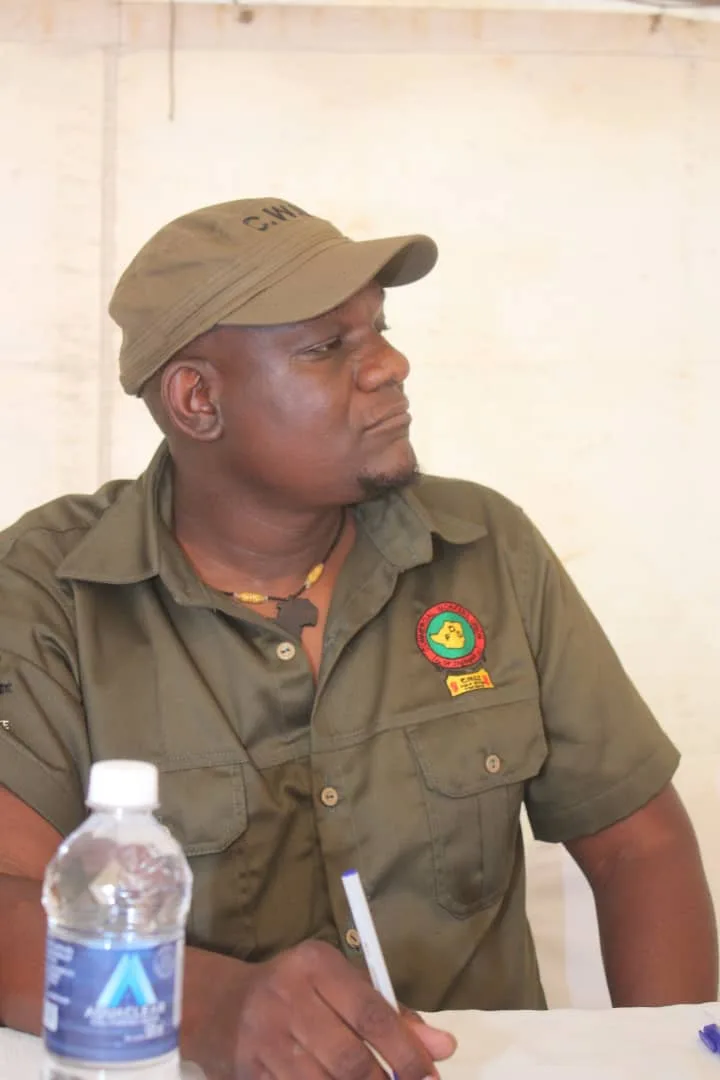
Cuthbert Chikwekwete, the Secretary General of the Commercial Workers Union of Zimbabwe (CWUZ), isn't mincing his words. He has labelled the move as both exploitative and illegal. According to him, the company bypassed the mandatory voting process required for such major decisions. Labour laws in Zimbabwe generally demand that 50% of employees must approve any shift in pay structures, alongside consent from trade unions. The union claims they were completely sidelined during the decision-making process.
The math behind this desperate move is brutal. In the 11 months leading up to February 2026, revenue at the retailer fell from US$245 million to a staggering US$40 million. That’s an 84% plunge in cash inflow. During the same period, the number of units moved off the shelves dropped from 208 million to just 32 million. When you look at the balance sheet, the situation gets even bleaker.
The company is currently sitting on US$38.7 million in liabilities. Its available current assets are only US$12.8 million.
The document announcing the freeze carries several heavy signatures. Among them are Workers Council chairman Alex E. Siyavora and National Workers Committee chairperson Isaya Mutema. Also listed is Bulisa Mbano, a corporate rescue practitioner from Grant Thornton (Zimbabwe), along with National Workers Committee chairman Givemore Dondo. Cuthbert Chikwekwete has specifically challenged the authority of Givemore Dondo.
He claims his term of office expired long ago, which means he didn't have any legal standing to sign away the rights of the workers.
For the workers, the issue isn't just about the money; it’s about the basic ability to survive. Cuthbert Chikwekwete pointed out that employees are still expected to commute to work every single day. They have no way to pay for transport or the rising cost of basic goods in Harare. There’s also the unresolved issue of pension contributions, which usually hit the system at month-end. Without a salary, these employees are essentially left in the dark about their long-term security.
The role of Bulisa Mbano as the corporate rescue practitioner has also come under fire. The union argues that a proper rescue plan should be the first step, designed in collaboration with the people who actually do the work. Instead, they see a half-baked effort to save the business by cutting the very people who keep the doors open. The CWUZ has now issued a stern warning: reverse this decision immediately, or they will be meeting in court to settle the matter.
For those watching the retail sector, this development highlights the precarious state of formal employment in the current economy. As the company hunts for a way to stay afloat, the trust between the workers and management has essentially evaporated. With the threat of legal action now hanging over the retailer’s head, the next few days in the boardroom will reflect the severe financial instability currently facing the company.