

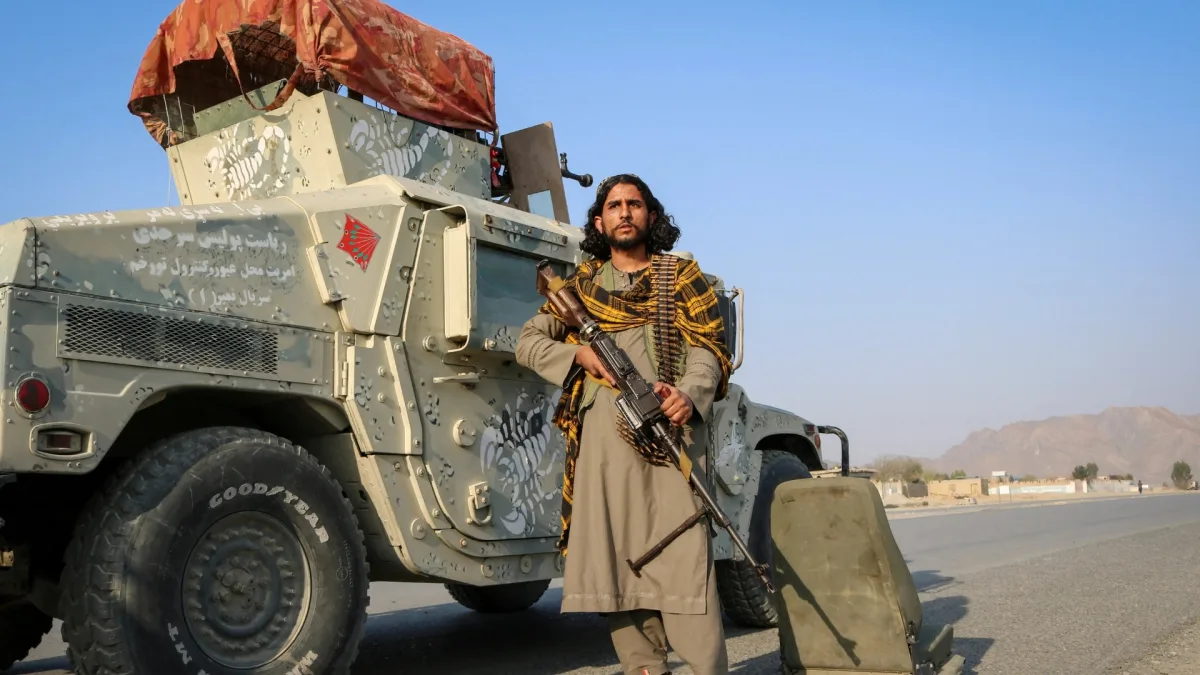
Pakistan and Afghanistan are on the brink of another border clash after a series of deadly attacks. The latest violence started with a major border skirmish in February, which was paused after mediation efforts by Saudi Arabia, Qatar, Turkiye, and China. However, the two sides have continued to target each other. They're now in a situation where they don't trust each other, and it's unclear what will happen next.
The Pakistan Taliban, known by the acronym TPP, claimed responsibility for an attack that prompted Pakistan to summon a senior Afghan diplomat. The TPP has carried out two more attacks since then, mostly against security forces. Islamabad accuses Kabul of backing the fighters, which it denies. This accusation has led to a lot of tension between the two countries. They're not communicating effectively, and it's causing more problems.
Masood Khan, the former permanent representative of Pakistan to the United Nations, and Obaidullah Baheer, an adjunct lecturer at the American University of Afghanistan, have been following the developments closely. They believe that the current situation is volatile and could lead to a resumption of hostilities between the two neighbours. It's a complex issue, and they're trying to understand all the factors involved. They're looking at the history of the conflict and the current political situation.
The border skirmish in February was a major incident that led to the death of many people. The mediation efforts by Saudi Arabia, Qatar, Turkiye, and China helped to pause the fighting. However, the situation remains tense. The Pakistani strike on a drug rehabilitation centre that killed over 250 people has further escalated the tensions. It's a very sensitive issue, and it's not clear how it will be resolved.
The situation is not just about the violence; it's also about the accusations and counter-accusations between the two countries. Pakistan claims that Afghanistan is backing the TPP, while Afghanistan denies it. This has led to a situation where both sides are suspicious of each other, and the trust level is very low. They don't trust each other, and it's causing a lot of problems. They can't communicate effectively, and it's leading to more violence.
Despite the tensions, there are still efforts being made to resolve the issue through dialogue. The mediation efforts by Saudi Arabia, Qatar, Turkiye, and China are a good example of this. These countries have been trying to bring the two sides together to find a peaceful solution to the problem. They're working hard to facilitate a dialogue between the two countries. They want to help them find a peaceful solution, and they're committed to the process.
The impact of the border clashes on the people living in the area is significant. Many have been displaced, and some have even lost their lives. The situation is further complicated by the fact that the area is also a hub for drug trafficking. The drug rehabilitation centre that was struck by Pakistan was reportedly being used by the TPP as a hideout. It's a very complex situation, and it's not clear how it will be resolved. The people in the area are suffering, and they need help.
To understand the situation, it's essential to know the background of the people involved. Masood Khan, the former permanent representative of Pakistan to the United Nations, has a long history of diplomacy. He's been involved in many international negotiations and has a deep understanding of the complexities of the issue. Obaidullah Baheer, on the other hand, is an expert on the Afghan situation and has written extensively on the subject. They're both knowledgeable about the issue, and they're trying to help find a solution.
The situation between Pakistan and Afghanistan is complex, and there are no easy solutions. However, it's clear that the violence needs to stop, and the two sides need to come together to find a peaceful solution. The international community, including countries like Saudi Arabia, Qatar, Turkiye, and China, can play a crucial role in facilitating this process. They can help the two countries communicate and find a peaceful solution. It's a difficult process, but it's necessary.
- Over 250 people were killed in a Pakistani strike on a drug rehabilitation centre.
- The Pakistan Taliban, known by the acronym TPP, claimed responsibility for an attack that prompted Pakistan to summon a senior Afghan diplomat.
- The TPP has carried out two more attacks since then, mostly against security forces.
- Islamabad accuses Kabul of backing the fighters, which it denies.
- The border skirmish in February was a major incident that led to the death of many people.
The situation needs to be resolved peacefully. The people of Pakistan and Afghanistan deserve to live in peace, and it's the responsibility of the governments of both countries to ensure that this happens. They need to work together to find a solution. The international community can help them, but they need to take the lead. They can't just wait for someone else to solve the problem; they need to take action.
Masood Khan, the former permanent representative of Pakistan to the United Nations, said, 'The current situation is volatile and could lead to a resumption of hostilities between the two neighbours.' He's concerned about the situation, and he wants to see a peaceful resolution. He believes that the two countries can find a solution if they work together.
As the situation continues to unfold, it's essential to keep a close eye on the developments. The international community needs to come together to support the people of Pakistan and Afghanistan and help them find a peaceful solution to the problem. They can provide assistance and guidance, but they can't impose a solution. The people of Pakistan and Afghanistan need to find their own solution, and the international community can help them.
The governments of Pakistan and Afghanistan need to take the necessary steps to resolve the issue. They need to come together, talk to each other, and find a way to end the violence. The people of both countries are suffering, and it's time for the governments to take action. They can't just wait for someone else to solve the problem; they need to take responsibility. They need to work together to find a solution, and they need to do it now.
The Pakistan-Afghanistan border has been a contentious issue for many years. The two countries have a long history of disputes, and the situation has been further complicated by the presence of militant groups. However, despite all the challenges, there is still hope for a peaceful resolution. The people of Pakistan and Afghanistan want to live in peace, and they're willing to work towards it. They just need the support of their governments and the international community.
The situation between Pakistan and Afghanistan is complex, and it needs to be resolved peacefully. The international community can play a crucial role in facilitating this process, and it's up to the governments of both countries to take the necessary steps to end the violence. They need to work together, and they need to do it now. The people of Pakistan and Afghanistan deserve to live in peace, and it's the responsibility of the governments of both countries to ensure that this happens. The road to peace is not easy, but it's the only way forward.
The people of Pakistan and Afghanistan deserve to live in peace, and it's the responsibility of the governments of both countries to ensure that this happens. They won't give up, and they'll keep working towards a peaceful solution.