

Mandating E20: The Government's Plan
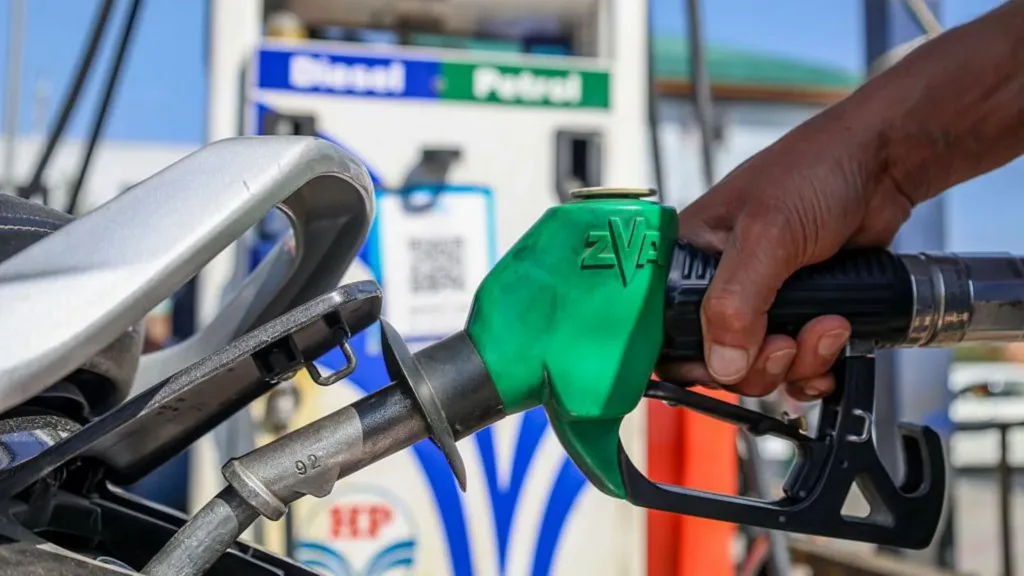
India's Prime Minister Narendra Modi has launched a drive to reduce the country's dependence on imported oil by blending ethanol with petrol. The latest move, announced in April 2026, has made E20 - a petrol blend with 20% ethanol - the standard fuel at every pump, replacing the 10% blend that most vehicles are designed to use. The government says this is necessary to cut carbon emissions and support domestic farmers, who produce the ethanol from crops like sugarcane and maize.
The decision has sparked widespread complaints from drivers, who claim that the higher ethanol blend is causing engine wear, lower fuel efficiency, and reduced performance. Some have even taken to social media to express their concerns, sharing photos of their engines with visible damage. 'We were not consulted before this decision was made,' said Mohammed Arif, an engineer who repairs motorcycle engines. 'Now, we're seeing a lot of problems with the fuel residue build-up in carburettors.'
But the government is sticking to its guns. In a statement, the Ministry of Petroleum and Natural Gas said, 'The fuel has been rolled out after extensive testing and does not damage engines.' The Ministry has also enlisted experts and automakers to defend the E20 blend, including Maruti Suzuki, India's largest carmaker. Rahul Bharti, senior executive officer for corporate affairs at Maruti Suzuki, said that the company had serviced over 15 million older vehicles that were not E20-compliant but found no fuel-related faults. However, he did admit that using E20 led to a 3-3.5% drop in fuel efficiency due to ethanol's lower energy content.
### Industry Experts Weigh In
The Indian automobile industry is one of the most significant contributors to the country's GDP. While the government is keen to promote the use of ethanol as a cleaner and more sustainable fuel option, many experts are concerned about the hasty transition to E20. 'The issue is not just about the blend, it's about the infrastructure,' said Puneet Gupta, director of auto research firm Mobility Global. 'Most vehicles on Indian streets are not E20 compliant, and the lack of awareness among consumers is a major problem.
### A Global Trend?
India is not the only country to mandate the use of ethanol-blended fuel. Other oil-importing Asian countries like Indonesia and Vietnam are also accelerating plans to expand their ethanol-blended and flex-fuel programmes. Brazil, which has been a model for India's biofuel push, built its ethanol-ready vehicle fleet gradually over four decades before mandating higher blends. Critics say India has skipped this crucial step, leaving consumers with little choice but to use the E20 blend, which is often 40-50% more expensive than unblended petrol.
### A Nigerian Perspective
While Ghana is not directly affected by India's biofuel push, the issue highlights the importance of responsible energy policy-making. The recent surge in global energy prices has put a spotlight on the need for sustainable and locally-sourced energy solutions. As Africa continues to develop its energy infrastructure, the Indian example serves as a cautionary tale about the importance of careful planning and consultation with stakeholders.
### Key Facts
- Over 75% of vehicles on Indian streets are not E20 compliant.
- India imported most of the crude oil it consumed in 2025.
- The E20 blend is 40-50% more expensive than unblended petrol in some states.
- The government has dismissed complaints about engine damage as 'misleading' and 'social media misinformation'.
- India's largest carmaker, Maruti Suzuki, has serviced over 15 million older vehicles that were not E20-compliant but found no fuel-related faults.