

The single sharpest fact in one or two punchy sentences. Who did what, where, when, and why it matters. Not a summary of everything — the one thing that makes someone stop scrolling.
Junta-ruled Niger has officially submitted its request to withdraw from the International Criminal Court (ICC), the Hague-based tribunal said on Tuesday, nine months after announcing the move alongside allies Mali and Burkina Faso.
The three Sahelian countries are all ruled by hardline military governments that came to power in coups between 2020 and 2023 and have turned their backs on the West. They jointly announced their withdrawal from the ICC in September last year, calling the court an “instrument of neo-colonial repression in the hands of imperialism.”
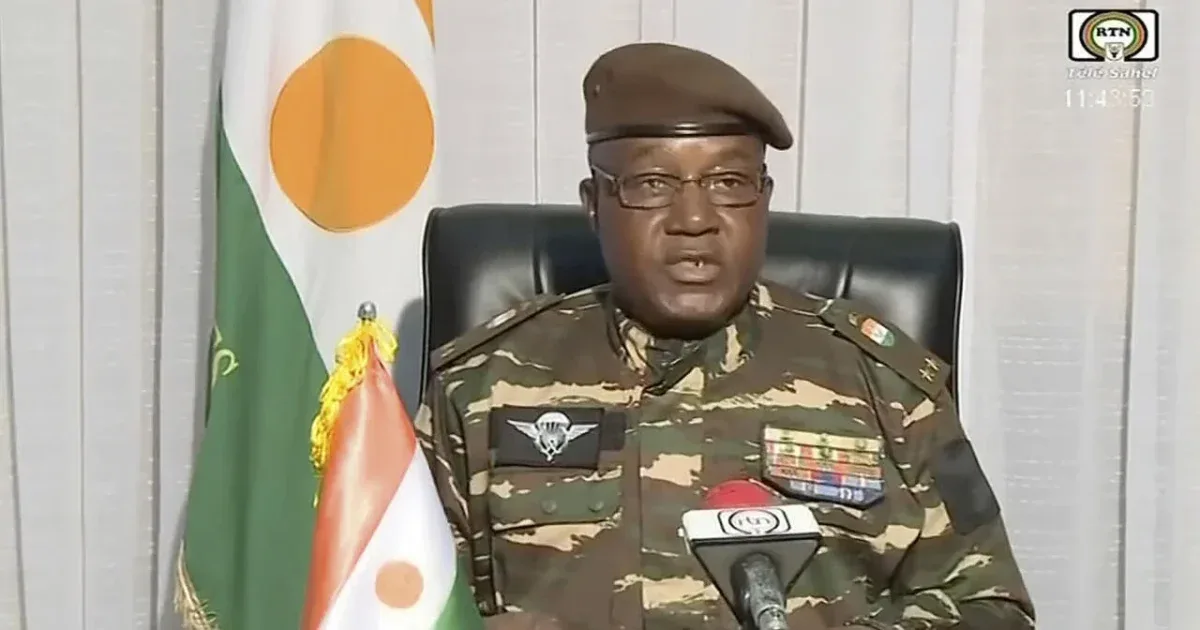
In a statement sent to AFP on Tuesday, the ICC said it had received an “instrument of withdrawal” on June 18 from Niger, led by General Abdourahamane Tiani.
The request will take effect on June 18, 2027, the court said — one year after notification. Niger must honour its obligations to the court until that date, the statement said.
“While joining or withdrawing from a treaty remains a sovereign right of States under international law, we regret any decision to depart from the collective effort to end impunity for the most serious international crimes,” the ICC said in its statement.
The ICC statement made no mention of Mali or Burkina Faso. The three countries are facing deadly violence from jihadist groups linked to Al-Qaeda and the Islamic State, but their armies are also accused of crimes against civilians.
Founded in 2002, the International Criminal Court’s mission is to prosecute the perpetrators of the most serious crimes, such as war crimes, when countries lack the will or capacity to do so themselves.
The ICC has 125 member states at the moment. The United States and Russia are not among them, nor are Israel, China, or Myanmar.
Niger must honour its obligations to the court until June 18, 2027. The ICC has 125 member states at the moment, but some major countries, including the US and Russia, are not among them.
As Niger's junta government pulls out of the International Criminal Court, it is facing criticism for human rights abuses under its rule. The court has seen some of its most significant cases come from Africa, where the use of child soldiers and other war crimes have been particularly prevalent.
The move is seen by many as an attempt by Niger and its allies to avoid accountability for their actions while continuing to commit human rights abuses. It is unlikely to be well-received by the international community, which has long viewed the ICC as a crucial tool for holding powerful countries to account.
### Key Facts
- Niger's withdrawal will take effect on June 18, 2027
- The country has been ruled by a junta government since 2023
- The ICC has 125 member states, but some major countries, including the US and Russia, are not among them
- The court has seen some of its most significant cases come from Africa, where the use of child soldiers and other war crimes have been particularly prevalent
- Niger's withdrawal is seen by many as an attempt to avoid accountability for human rights abuses under its rule
Context
The decision to withdraw from the ICC highlights the growing tensions between some African countries and the international community over issues of human rights and accountability. While the ICC has seen some of its most significant cases come from Africa, the continent has also been vocal in its criticism of the court's approach, citing issues of bias and the need for greater African representation on the court.
And with Niger now joining Mali and Burkina Faso in withdrawing from the ICC, there are concerns that the move could embolden other countries to follow suit.