

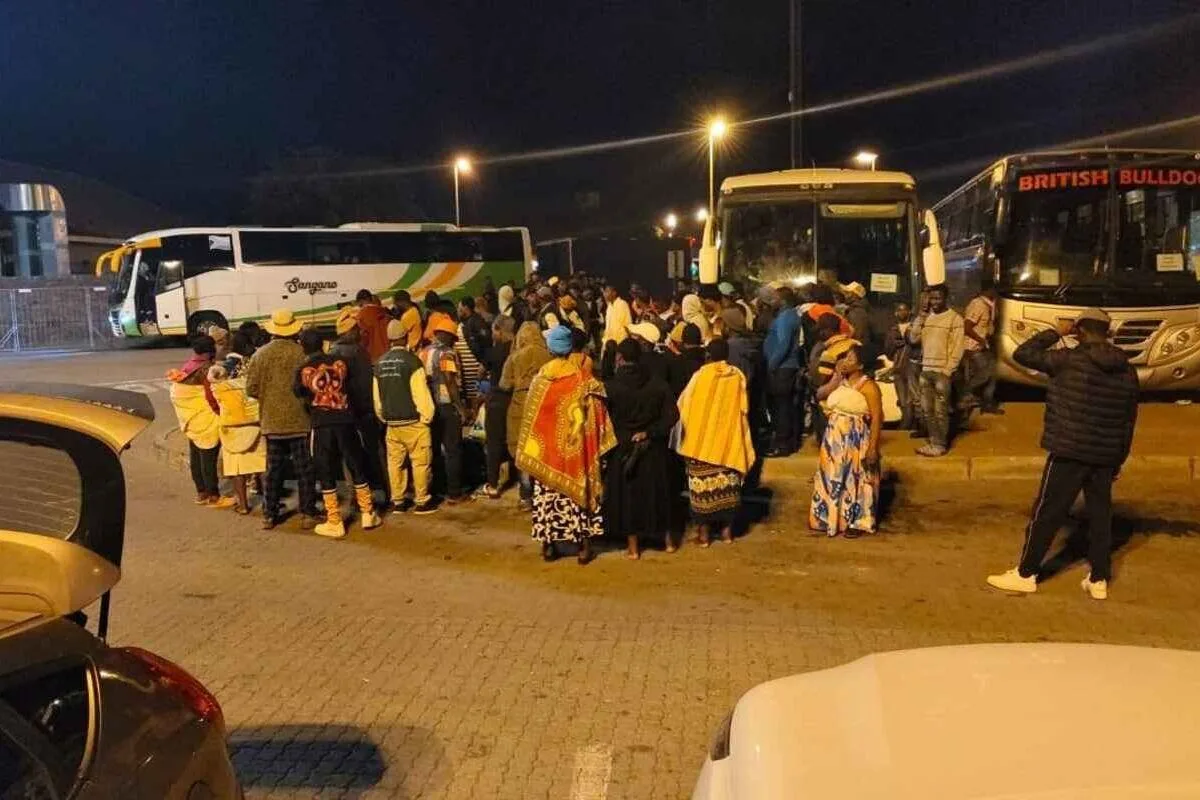
Malawi's government is begging for donations — cash, buses, food, anything — to bring home an estimated 10,000 citizens stranded in South Africa after a wave of attacks on foreign nationals.
The Department of Disaster Management Affairs (DoDMA) put out the call on Monday, saying the repatriation effort has placed "unprecedented financial, logistical and humanitarian demands" on the government. Commissioner for Disaster Management Affairs Wilson Moleni signed the statement.
As of 13 June, around 10,000 Malawians across South Africa were in distress, according to the government. Many have lost their belongings, their jobs, their homes. Some don't even have passports anymore.
A government task team has already been deployed to South Africa to register, verify and protect citizens and get them home. The first group of returnees arrived safely in Malawi on 9 June. More are in transit.
Back home, reception centres have been set up at Kamuzu Stadium in Blantyre. Returnees are getting temporary shelter, food, psychosocial support, and transport to their home villages.
But with thousands still waiting, the government says it can't do this alone. It's appealing to development partners, humanitarian organisations, the private sector, churches, transport operators — and ordinary Malawians.
"We believe this is a national humanitarian mission that requires the collective effort, compassion and solidarity of all stakeholders," the statement said. "Together, we can ensure that affected Malawians return home safely, with dignity and hope for a fresh start."
The government has promised transparency — all donations will be used only for repatriation, reception and support. It thanked those who have already contributed, saying their generosity is making "a tangible difference."
This isn't the first time foreign nationals have been targeted in South Africa. Attacks on foreign-owned shops and communities have flared up periodically over the years, often linked to frustrations over unemployment and crime. Malawians are among thousands of foreign workers in South Africa, many working as security guards, domestic workers or in the informal sector.
The Malawi government has activated a full response involving the Ministry of Foreign Affairs, the Malawi High Commission in Pretoria, and humanitarian partners. Emergency travel documents are being issued for those who lost theirs.
The task team in South Africa continues to register citizens and arrange transport. More buses and flights are needed. The government is asking anyone who can help — with money, vehicles, or supplies — to come forward.
For the 10,000 Malawians still in distress, every day counts. The government says it's a "national humanitarian mission" and it needs the whole country to step up.