

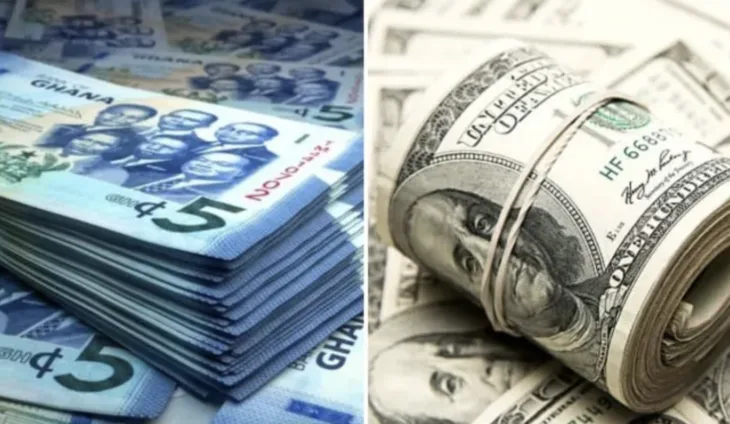
The Bank of Ghana (BoG) says it expects the recent stability of the cedi to continue, following improved conditions in the foreign exchange market. The Central Bank says the gains have been supported by measures including its Forex Intermediation and FX Intervention programmes, which have helped improve dollar supply and reduce pressure on the local currency.
The cedi recorded its first monthly appreciation of more than 3% in June 2026, according to the Bank of Ghana’s latest Monetary Policy Analysis data. The Bank is projecting further stability, partly due to its plan to supply about US$1 billion to the market through its Forex Intermediation Programme in July 2026.
Data reviewed by JOYBUSINESS suggests that the intense demand pressures that weakened the cedi in the first quarter of the year may be easing. The Bank of Ghana believes most businesses have completed major restocking activities, while new measures introduced to manage dollar demand are beginning to yield results.
The regulator says it will continue implementing these measures to sustain the local currency’s recent performance against the US dollar. “The Bank of Ghana’s FX intermediation programme helped moderate pressures on the cedi that came from frontloading of demand, particularly from the energy sector,” the Central Bank noted.
Currently, some commercial banks are selling the dollar at about GH¢11.55, while forex bureaux are selling at around GH¢12.30. The Bank of Ghana is counting on increased inflows from remittances and development partners to strengthen Ghana’s foreign exchange reserves.
It expects remittance inflows to improve between the second and third quarters of the year, providing additional support to the country’s reserve position. The Central Bank also expects possible inflows, including about US$380 million in IMF programme support and a further US$240 million expected in July 2026, to boost reserves.
The Bank of Ghana believes renewed investor confidence, following Ghana’s recent Fitch upgrade and government’s early Eurobond repayment decision, could support the economy. However, it warned that uncertainties surrounding the fragile Middle East peace process could affect global crude oil prices and increase dollar demand from businesses in Ghana.
Key Facts
- The cedi recorded its first monthly appreciation of more than 3% in June 2026.
- The Bank of Ghana will supply about US$1 billion to the market through its Forex Intermediation Programme in July 2026.
- Some commercial banks are selling the dollar at about GH¢11.55.
- Forex bureaux are selling the dollar at around GH¢12.30.
- The Bank of Ghana expects remittance inflows to improve between the second and third quarters of the year.
- The Central Bank expects possible inflows of about US$380 million in IMF programme support and a further US$240 million in July 2026.
The Bank of Ghana says it will continue to monitor developments and implement measures aimed at maintaining stability in the foreign exchange market. The regulator’s confidence in the cedi’s future stability is good news for businesses and investors in the country, who have been affected by the currency’s fluctuations in recent years.