

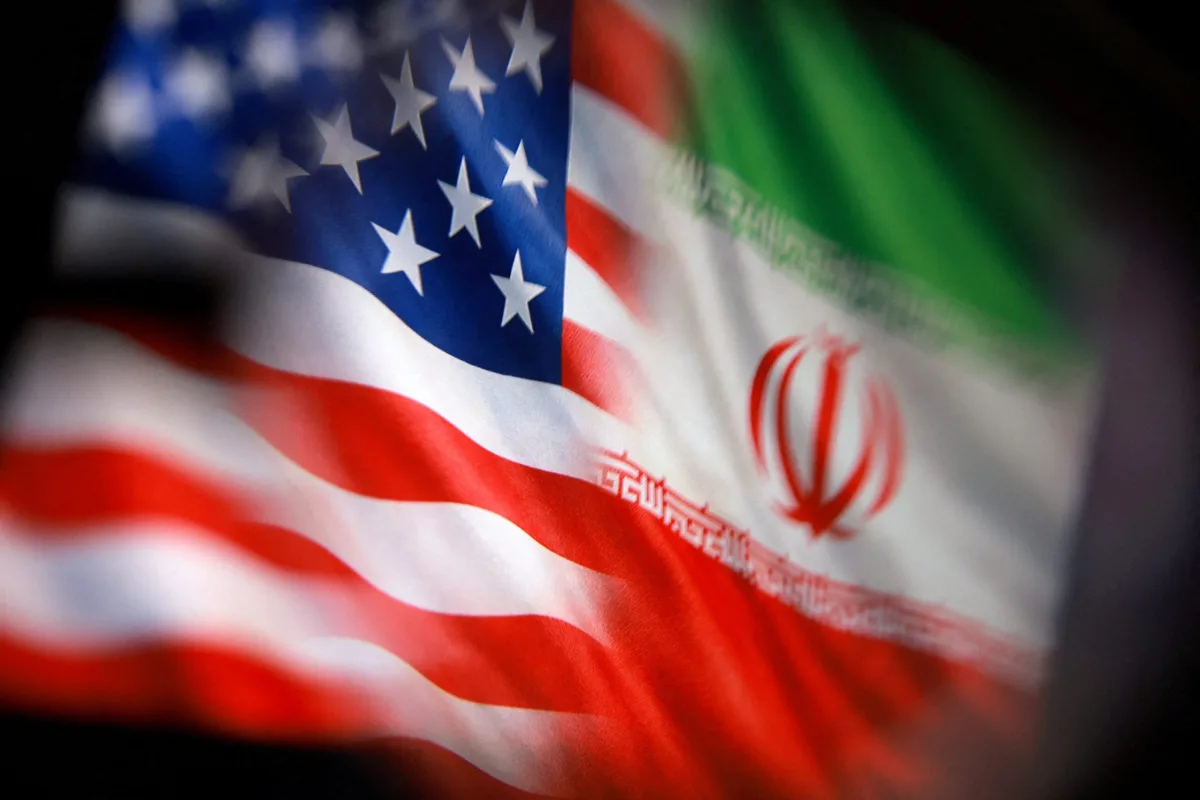
The US-Iran peace talks that were supposed to happen today in Switzerland have been postponed. Vice President JD Vance called off his trip to the Swiss mountaintop resort of Burgenstock. A White House spokesperson said Thursday that "the logistics of these negotiations have never been simple or predictable."
Switzerland's foreign ministry confirmed the delay but said it remains ready to facilitate and that preparatory work continues. Iran hadn't confirmed it would send a delegation anyway. The semi-official Tasnim news agency said Iran's negotiators first need to see signs the US is implementing the interim deal signed Wednesday.
That deal — a 14-point accord — extended a tenuous ceasefire by at least 60 days. It gives relief from economic sanctions, unfreezes assets worth tens of billions of dollars, and grants immediate US waivers for Iran's oil exports. The deal also sets up a $300 billion reconstruction fund for Iran and gives negotiators 60 days to agree on the status of Iran's nuclear program. Vance said Washington will also seek to limit Iran's long-range missiles.
But Iran's Supreme Leader Ayatollah Mojtaba Khamenei said Trump signed "out of desperation" and warned that talks on Iran's nuclear program won't be easy. "If the American side wants to be too demanding, we will not accept it," he said. Iran's Supreme National Security Council vowed a "reciprocal response" to any violation by the "untrustworthy" American side.
The war began on February 28 with US and Israel air attacks on Iran. It has killed at least 7,000 people, sent energy prices soaring, and shaken global markets. Israel, left out of the peace talks, has distanced itself from the US-Iran accord and kept fighting against the Iranian-allied Hezbollah in Lebanon.
In Washington, some of Trump's Republican allies in Congress questioned whether he conceded too much. In March, Trump had sworn to end the war only with Iran's "UNCONDITIONAL SURRENDER." But the memorandum signed instead provides sanctions relief and financial incentives. Trump's original objectives — destroying Iran's nuclear capabilities, ending its ability to strike neighbours, preventing it from backing anti-Israel militants, and enabling Iranians to topple their government — weren't met.
Iran restated its decades-long assertion not to get or develop nuclear weapons. It agreed to onsite "down blending" of its highly enriched uranium stockpile and inspections by the International Atomic Energy Agency. But it rejected Trump's wish to remove the material from the country.
Oil prices dipped on Friday as prospects brightened for more supply after tankers began moving through the Strait of Hormuz. Iran has said it will still exert control over the strait in partnership with Oman and intends to charge ships service fees, though not during the 60-day talks.
The US defence department told lawmakers it needs $80 billion to cover war costs and some unrelated bills, the Wall Street Journal reported.