

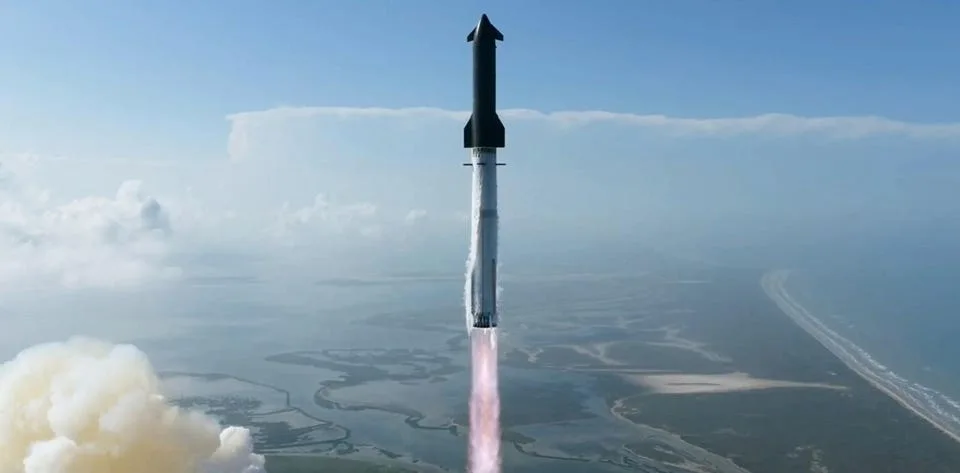
SpaceX's Highly Anticipated IPO Generates Excitement
SpaceX's IPO is generating widespread excitement, but its staggering valuation will matter less than what unfolds next. The reason lies in America's history with transformative companies that reordered national power, industrial capacity, military advantage, and even American identity. From railroads to oil, aviation to the internet, each created extraordinary wealth and reordered the nation. Government policy and industrial ecosystems played just as significant a role in their successes.
The key takeaway is that government policy should foster highly competitive space industrial ecosystems, where procurement defaults to competitive approaches rather than the exception. Centralization and sole-source contracting can breed complacency, stagnation, and ultimately lock in an ecosystem that loses dynamism over time. A single dominant company should not define an entire industrial future, and the government must avoid orienting policy around one firm.
America's advantage has never been perfect planning, but rather competitive chaos, entrepreneurial risk-taking, deep capital markets, and a culture that rewards disruption. Family fortunes rise and fade, and many of today's household names will eventually disappear. A new generation of space unicorns will emerge, driven by AI-enabled decision systems, autonomy, edge computing, cybersecurity, and software platforms that convert orbital infrastructure into real-time economic and military advantage.
These space companies will only flourish in an environment of rapid institutional adaptation and sustained competition. History never remembers eras for their opening numbers, but rather whether nations understood and adapted to the transformations unfolding beneath them. The US must preserve the culture, competitive environment, entrepreneurial risk tolerance, and strategic patience needed to produce the next generation of American industry.
### 10-Year Forecast
About 10 years ago, enough information was coming into focus to make plausible predictions about the future. Some of those predictions proved correct: Moore's Law held, hardware commoditized, satellites became dramatically cheaper, launch cadence accelerated, and private investment eclipsed government capital. The pace of technological advancements is remarkable, and it's clear that the next decade will be just as transformative.
### Government Adoption
Government adoption has been far slower than anticipated, and the military and geopolitical importance of space has accelerated faster than expected. Space is no longer simply about rockets and exploration; it has become a decisive economic and military infrastructure that nations can't afford to ignore. The pace of technological advancements is outpacing regulatory frameworks, and the gap between the two is growing.
### SpaceX's Revenue Engine
Even from SpaceX's broader financial disclosures, it's clear that the company's satellite internet service, Starlink, is emerging as the dominant revenue engine. Not reusable Falcon 9's, nor Starship development, but Starlink is driving the company's growth. And the broader space economy is just getting started, with many more revenue streams on the horizon.
### The Second Space Race
Only a handful of names from this early era of the second space race will ultimately be remembered, and it is impossible to know with certainty who they are today. In short order, the oil barons and railroad titans receded from prominence. The "Copper Kings" faded, much of the early aviation industry disappeared or consolidated beyond recognition. Even the Vanderbilt fortune has largely dissipated. As history has shown, the same pattern will eventually repeat across today's space industry.