

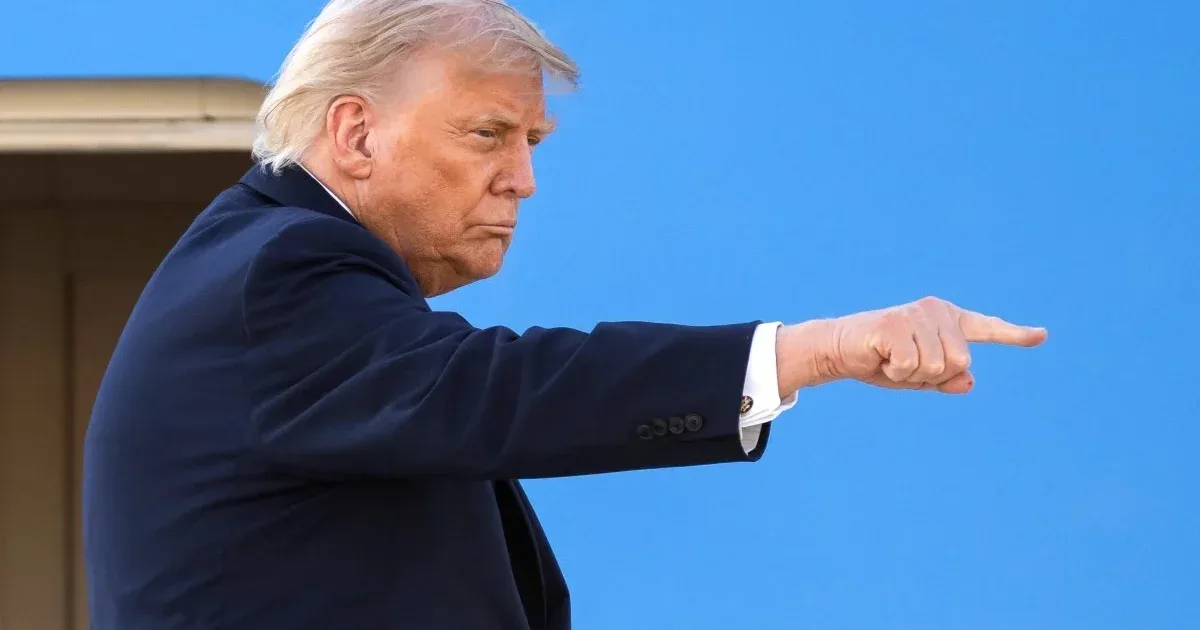
‘Children born in the United States to parents unlawfully or temporarily present are ‘subject to the jurisdiction’ of the United States and are citizens at birth under the Fourteenth Amendment’s Citizenship Clause,’ Chief Justice John Roberts wrote.
The US Supreme Court on Tuesday handed President Donald Trump a significant defeat by rejecting his bid to restrict birthright citizenship. Trump signed an executive order last year on the first day of his second term in the White House decreeing that children born to parents in the United States illegally or on temporary visas would not automatically become US citizens. However, lower courts blocked the move, ruling that under the Citizenship Clause of the 14th Amendment nearly everyone born on US soil is an American citizen.
The Supreme Court agreed in a majority opinion penned by Chief Justice John Roberts. According to the decision, the 14th Amendment states that ‘All persons born or naturalized in the United States, and subject to the jurisdiction thereof, are citizens of the United States.’ It does not apply to those not subject to US jurisdiction – the children of foreign diplomats, for example.
The court's ruling comes after Trump personally attended oral arguments on birthright citizenship at the Supreme Court in April. Trump's solicitor general, John Sauer, argued that unrestricted birthright citizenship encourages illegal immigration and ‘birth tourism,’ in which foreigners come to the United States solely to give birth.
The Trump administration had argued that the 14th Amendment, passed in the wake of the 1861-1865 Civil War, addresses citizenship rights of former slaves and not the children of undocumented migrants or visitors. However, the Supreme Court rejected such a narrow definition in a landmark 1898 case involving a man named Wong Kim Ark, who was born in San Francisco in 1873 to parents who had come to the United States from China.
The Supreme Court's rejection of Trump's bid to end birthright citizenship is the third major loss for Trump this term. The justices struck down most of his global tariffs in February and on Monday they blocked his bid to fire Federal Reserve governor Lisa Cook.
The decision is a significant victory for advocates of birthright citizenship, who argue that it is a fundamental right enshrined in the 14th Amendment. The ruling has far-reaching implications for immigration policy in the United States, and it is likely to be the subject of further litigation and debate in the coming months.
As a Nigerian, this decision may seem unrelated to our own experiences, but the implications of birthright citizenship are far-reaching and can impact families across the globe. The decision highlights the importance of the 14th Amendment and the need for immigration policies that respect the rights of all individuals, regardless of their immigration status.
Key Facts
- The Supreme Court's decision was 6-3 in favor of maintaining birthright citizenship.
- Trump signed an executive order in January 2025 attempting to restrict birthright citizenship.
- Lower courts blocked the executive order, ruling that it was unconstitutional.
- The Supreme Court agreed with the lower courts, ruling that children born in the United States to parents unlawfully or temporarily present are citizens at birth.
The Supreme Court's decision is a significant victory for advocates of birthright citizenship and a major defeat for President Trump. It highlights the importance of the 14th Amendment and the need for immigration policies that respect the rights of all individuals, regardless of their immigration status.