

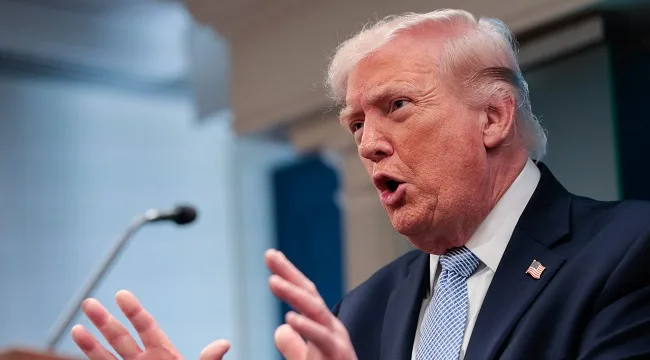
The statement made by Donald Trump has sparked controversy and raised questions about the potential for a US-Iran conflict. Trump said in an interview that aired on Sunday that it would only take two weeks to hit every single target in Iran, adding that the Islamic republic was militarily defeated. This isn't the first time Trump has made bold claims about the US military's capabilities, but it's certainly one of the most provocative. The US and Iran have been at odds for decades, and tensions have escalated significantly in recent years. The US has imposed strict sanctions on Iran, which have had a devastating impact on the country's economy.
But what's behind Trump's claim, and is it based on reality? The US military is undoubtedly one of the most powerful in the world, with a vast array of weapons and technology at its disposal. However, Iran is also a significant military power, with a large army and a sophisticated missile defense system. The country has also been developing its own nuclear program, which has raised concerns in the international community. Trump's statement may be seen as a way of intimidating Iran, but it's unlikely to have the desired effect.
Instead, it may simply escalate tensions further and increase the risk of conflict.
The history between the US and Iran is complex and fraught. The two countries have been enemies since the 1979 Iranian Revolution, which overthrew the US-backed Shah and established an Islamic republic. Since then, the US has imposed sanctions on Iran and supported its enemies, including Iraq during the Iran-Iraq War. Iran, on the other hand, has supported anti-US groups and developed its own military capabilities. The US and Iran have also been on opposite sides of various conflicts in the Middle East, including the Syrian Civil War.
The current tensions between the two countries are just the latest chapter in a long and bitter rivalry.
The implications of Trump's statement are significant. If the US were to launch a military attack on Iran, it could have devastating consequences for the region and the world. Iran is a major oil producer, and a conflict could disrupt global oil supplies and drive up prices. It could also lead to a wider conflict, drawing in other countries and causing massive destruction. The international community has been trying to prevent a conflict between the US and Iran, with diplomats from Europe and other countries working to negotiate a peaceful resolution.
However, Trump's statement may have made it more difficult to achieve a peaceful outcome.
Key Facts
- The US could defeat Iran in two weeks, according to Donald Trump.
- Trump made this statement in a recent interview.
- The US and Iran have been enemies since the 1979 Iranian Revolution.
- The US has imposed sanctions on Iran, which have had a devastating impact on the country's economy.
- Iran has a large army and a sophisticated missile defense system.
- The country has also been developing its own nuclear program.
- The US and Iran have been on opposite sides of various conflicts in the Middle East.
- The current tensions between the two countries are just the latest chapter in a long and bitter rivalry.
Background to the Conflict
The conflict between the US and Iran has a long and complex history. The two countries were allies during the Cold War, but the 1979 Iranian Revolution marked a significant turning point in their relationship. The revolution overthrew the US-backed Shah and established an Islamic republic, which was deeply hostile to the US. Since then, the US has imposed sanctions on Iran and supported its enemies, including Iraq during the Iran-Iraq War. Iran, on the other hand, has supported anti-US groups and developed its own military capabilities.
The US and Iran have also been on opposite sides of various conflicts in the Middle East, including the Syrian Civil War.
The US has also been concerned about Iran's nuclear program, which it believes could be used to develop nuclear weapons. The US and other countries have imposed sanctions on Iran in an attempt to prevent it from developing its nuclear capabilities. However, Iran has continued to develop its nuclear program, despite the sanctions. The country has also been developing its own missile defense system, which has raised concerns in the US and other countries.
The current tensions between the US and Iran are just the latest chapter in a long and bitter rivalry. The US has imposed strict sanctions on Iran, which have had a devastating impact on the country's economy. The sanctions have made it difficult for Iran to export its oil, which is a major source of revenue for the country. The US has also been working to prevent Iran from developing its nuclear capabilities, which it believes could be used to develop nuclear weapons.
The Role of the US Military
The US military is one of the most powerful in the world, with a vast array of weapons and technology at its disposal. The military has a significant presence in the Middle East, with bases in countries such as Saudi Arabia and Qatar. The US has also been working to develop its military capabilities in the region, including its ability to launch airstrikes and other attacks. The US military has been involved in various conflicts in the Middle East, including the wars in Iraq and Afghanistan.
The US military's role in the conflict with Iran is significant. The military has been working to develop its capabilities in the region, including its ability to launch airstrikes and other attacks. The US has also been working to develop its missile defense system, which could be used to protect against Iranian missile attacks. The US military has also been involved in various exercises and drills in the region, which are designed to demonstrate its capabilities and deter Iranian aggression.
The US military's capabilities are undoubtedly significant, but they are not invincible. The military has faced challenges in various conflicts, including the wars in Iraq and Afghanistan. The military has also been criticized for its handling of certain situations, including the use of drones and other unmanned vehicles. The US military's role in the conflict with Iran will be significant, but it's unlikely to be the only factor that determines the outcome.
The Iranian Perspective
The Iranian perspective on the conflict with the US is complex and multifaceted. Iran has long been suspicious of US intentions in the region, and has seen the US as a threat to its national security. The country has been working to develop its own military capabilities, including its nuclear program and missile defense system. Iran has also been working to develop its economy, despite the sanctions imposed by the US and other countries.
Iran's president, Hassan Rouhani, has been a key figure in the country's relations with the US. Rouhani has been working to develop Iran's economy and improve its relations with other countries, including the US. However, he has also been faced with significant challenges, including the sanctions imposed by the US and other countries. Rouhani has been critical of the US and its policies, but he has also been open to negotiations and diplomacy.
The Iranian people have also been affected by the conflict with the US. The sanctions imposed by the US and other countries have had a devastating impact on the country's economy, making it difficult for people to access basic necessities like food and medicine. The conflict has also had a significant impact on the country's politics, with many Iranians feeling that the US is trying to undermine their government and way of life.
The International Community
The international community has been working to prevent a conflict between the US and Iran. Diplomats from Europe and other countries have been working to negotiate a peaceful resolution, including a potential deal on Iran's nuclear program. The international community has also been working to develop its own military capabilities, including its ability to launch airstrikes and other attacks.
The European Union has been a key player in the efforts to prevent a conflict between the US and Iran. The EU has been working to develop its own relations with Iran, including a potential deal on trade and investment. The EU has also been critical of the US and its policies, including the sanctions imposed on Iran. The EU has been working to develop its own military capabilities, including its ability to launch airstrikes and other attacks.
The United Nations has also been involved in the efforts to prevent a conflict between the US and Iran. The UN has been working to develop its own relations with Iran, including a potential deal on the country's nuclear program. The UN has also been critical of the US and its policies, including the sanctions imposed on Iran. The UN has been working to develop its own military capabilities, including its ability to launch airstrikes and other attacks.
The Potential Consequences
The potential consequences of a conflict between the US and Iran are significant. A conflict could have a devastating impact on the region, including the potential for widespread destruction and loss of life. A conflict could also have a significant impact on the global economy, including the potential for disruption to oil supplies and trade.
A conflict could also have a significant impact on the US and its allies. The US has a significant military presence in the region, and a conflict could put its troops and equipment at risk. The US has also been working to develop its relations with other countries in the region, including Saudi Arabia and Israel. A conflict could undermine these relations and make it more difficult for the US to achieve its goals in the region.
The conflict between the US and Iran is a complex and multifaceted issue, with significant implications for the region and the world. As Trump said, "Iran is militarily defeated," but this statement may not be entirely accurate. The US and Iran have been on a collision course for decades, and a conflict between the two countries could have devastating consequences.
The Way Forward
The way forward for the US and Iran is unclear. The two countries have been on opposite sides of various conflicts in the Middle East, and it's unlikely that they will be able to resolve their differences anytime soon. However, there are steps that can be taken to reduce tensions and prevent a conflict. The US and Iran could work to develop their relations, including a potential deal on trade and investment. The international community could also play a role, including by working to develop its own relations with Iran and preventing a conflict.
The US and Iran could also work to develop a deal on the country's nuclear program. The US has been concerned about Iran's nuclear capabilities, and has imposed sanctions on the country in an attempt to prevent it from developing its nuclear program. However, Iran has continued to develop its nuclear capabilities, despite the sanctions. A deal on the nuclear program could help to reduce tensions and prevent a conflict.
The US and Iran have a long and complex history, and it's unlikely that they will be able to resolve their differences anytime soon. However, by working together and developing their relations, they may be able to reduce tensions and prevent a conflict. The international community could also play a role, including by working to develop its own relations with Iran and preventing a conflict. The way forward will be difficult, but it's not impossible. The US and Iran must work together to find a peaceful resolution to their differences, and to prevent a conflict that could have devastating consequences for the region and the world.