

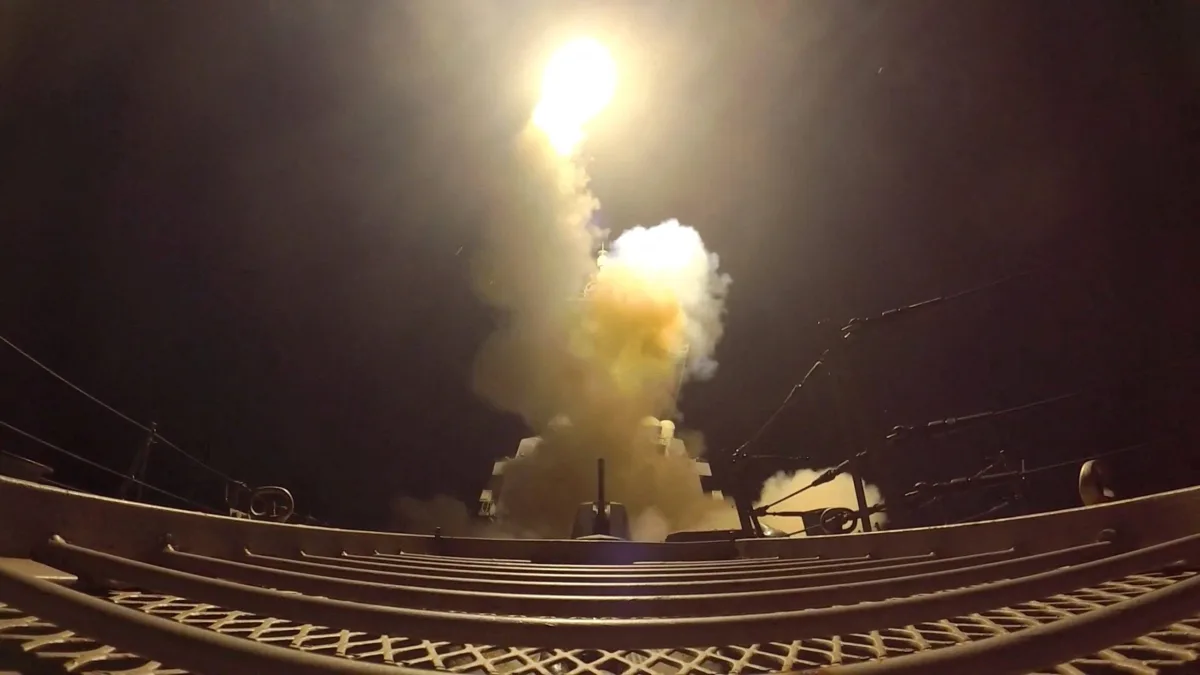
The US has reimposed a naval blockade on all Iranian ports and threatened to hit power plants and bridges unless Tehran resumes negotiations.
US President Donald Trump on Tuesday, July 14, reimposed the blockade after it was lifted in June. The blockade came back into effect at 2000 GMT (1600 EDT).
The move is the latest escalation by the US in the conflict, which has widened to include other Gulf nations as Iran retaliated against its neighbors. The conflict has killed thousands, primarily in Iran and Lebanon, since it began in February with joint US-Israeli strikes on Iran.
The price of benchmark Brent crude oil is up 15% over the last seven days to $85 a barrel, highest since mid-June, following the escalation.
The war has proved unpopular in the US, where gasoline prices have risen and congressional elections are looming in November. Trump floated the idea of a 20% fee on shipping through the Strait of Hormuz, which drew sharp criticism from the UN shipping agency and others.
Iran's Deputy Foreign Minister Kazem Gharibabadi said earlier that if the US thinks that by tightening its measures against them, their military actions and economic blockade, they will return to negotiations, it is making a mistake.
Iran's army said early on Wednesday, July 15, that it had launched drone attacks against US positions at Jordan's Azraq base. There was no immediate comment from the Pentagon.
Iran's Islamic Revolutionary Guard Corps said they targeted weapons and storage facilities in Bahrain and Kuwait. Reuters could not immediately verify the reports.
The flare-up over the last few days has heightened doubts that a memorandum of understanding signed last month would lead to a permanent halt in the war.
Iran's Qeshm Island, on the Strait of Hormuz, said it was struck by a US projectile at around 7 pm on Tuesday, Iranian state media reported.
Tehran says it has again closed the Strait of Hormuz after hostilities between Iran and the US reignited last week, fraying an already fragile truce reached in June.
The Strait of Hormuz is a crucial waterway for global energy supplies, with about a fifth of global oil and gas shipments passing through it every day.
The US military said there are currently over 20 US Navy warships and hundreds of military aircraft operating across the region.
The cost of the war has been mounting, with the International Monetary Fund warning last month that extending the war beyond mid-July posed big risks, especially since countries have largely used up their strategic oil reserves to cushion the effect on consumers.
Iran attacked a US Army base in Jordan with ballistic missiles earlier on Tuesday, while Bahrain reported fending off an Iranian aerial attack.
US negotiators had been in touch with their Iranian counterparts to tell them 'you better make a deal,' Trump said.
Trump said the strait was open to all shipping traffic except that of Iran.
The governor's office of Iran's Qeshm Island said it was struck by a US projectile at around 7 pm on Tuesday, Iranian state media reported.
Iran's army launched drone attacks against US positions at Jordan's Azraq base, while Iran's Islamic Revolutionary Guard Corps targeted weapons and storage facilities in Bahrain and Kuwait.
Reuters could not immediately verify the reports.
Iran's Deputy Foreign Minister Kazem Gharibabadi said earlier that Iran will not negotiate under pressure.
The conflict has disrupted global energy supplies and posed a serious risk to regional stability.