

The US launched a wave of attacks on Iran on Monday, July 12, which sent oil prices skyrocketing in Tokyo. According to oil market data, Brent crude oil prices jumped by 12.3% to $110.37 per barrel in early Tokyo trading. The attacks, which took place in the early hours of Monday morning, targeted Iranian military installations, including the country's key naval base at the port of Bandar Abbas.
Iran's Supreme Leader, Ayatollah Ali Khamenei, condemned the US strikes, describing them as an act of 'aggression and brutality.' He also urged the Iranian military to 'take revenge against the US and its allies.' The US has maintained that the airstrikes were necessary to protect American personnel and interests in the region.
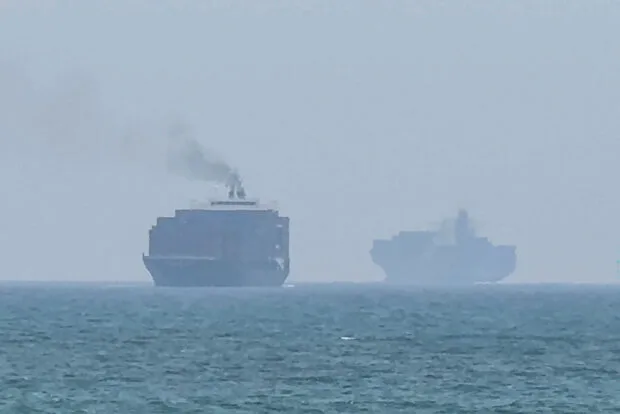
Oil prices opened sharply higher in Tokyo after the US launched a wave of attacks on Iran and as Tehran announced it would close the Strait of Hormuz. The Strait of Hormuz is a critical shipping route that connects the Persian Gulf to the Gulf of Oman and is used by several major oil producers, including Saudi Arabia and the United Arab Emirates. Iran's decision to close the strait has sent shockwaves through the global oil market, with many analysts predicting a spike in oil prices.
Oil producers in the Middle East are bracing for the impact of Iran's decision to close the Strait of Hormuz. Saudi Arabia, the world's largest oil producer, has announced plans to increase its oil production to compensate for any potential losses due to the closure of the strait. The UAE has also pledged to increase its oil production to help meet global demand.
The closure of the Strait of Hormuz has significant implications for Nigeria, which is heavily reliant on imported oil. Nigeria's economy has been severely impacted by the decline in oil prices in recent years, and any disruption to global oil supplies could have devastating consequences for the country.
Key oil prices: Brent crude oil prices surged 12.3% to $110.37 per barrel in early Tokyo trading. US crude oil prices jumped 14.5% to $103.42 per barrel.
Timeline: Monday, July 12: US launches airstrikes on Iranian military installations. Iran announces it will close the Strait of Hormuz. Monday, July 12: Oil prices open sharply higher in Tokyo.
Players involved: Ayatollah Ali Khamenei (Iran's Supreme Leader). US President (unspecified). King Salman (Saudi Arabia). Sheikh Mohammed bin Rashid Al Maktoum (UAE leader).
Background: Tensions between the US and Iran have been escalating in recent months, with the US imposing sanctions on Iranian oil exports and Iran retaliating by attacking US interests in the region.
What happens next: The closure of the Strait of Hormuz has significant implications for the global oil market, with many analysts predicting a spike in oil prices. The US and its allies are likely to impose further sanctions on Iran in response to its decision to close the strait.
Nigerian angle: Nigeria's economy has been severely impacted by the decline in oil prices in recent years, and any disruption to global oil supplies could have devastating consequences for the country. The closure of the Strait of Hormuz has significant implications for Nigeria, which is heavily reliant on imported oil.