

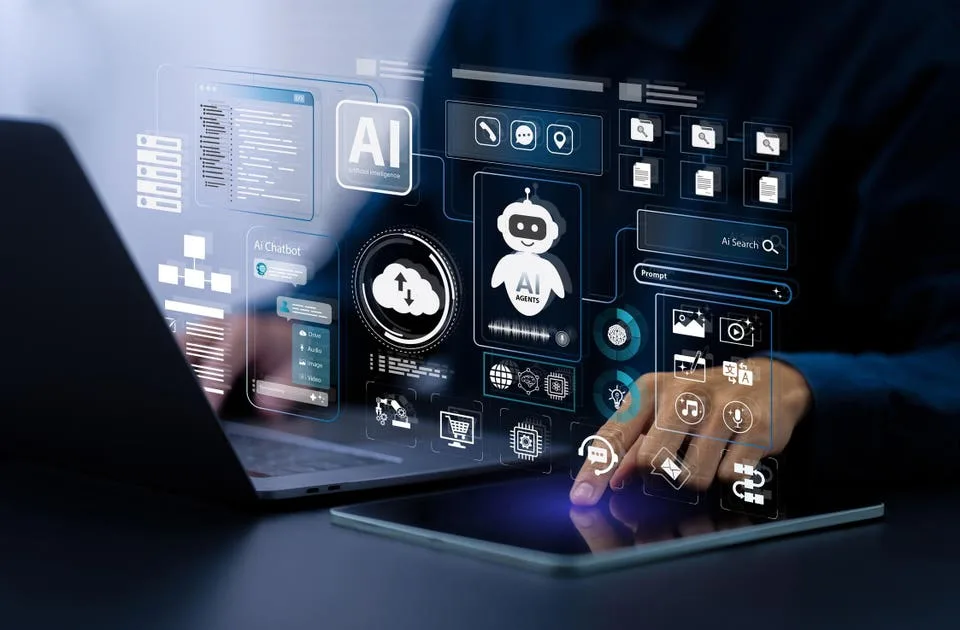
The Hidden Danger of Instant Gratification
Jeromee Johnson, the CTO of Tellus App, is dropping a truth bomb that Silicon Valley usually tries to bury: friction isn't always the enemy. We spend our lives complaining about slow websites or too many steps to reset a password, but Johnson argues that some of those 'annoyances' are actually the only things stopping our digital lives from collapsing. When an app lets you trade stocks or authorize a massive payment with one swipe, that 'ease' might be removing the one safety net you actually need.
He categorizes friction into three buckets: waste, confusion, and protection. Waste is annoying, like filling out the same form five times in different apps. Confusion is a bad design that makes you click the wrong button. But protection? That’s the guardrail. Underwriting, identity checks, and confirmation screens aren't just there to frustrate you—they exist to make sure you know exactly what you’re signing up for before the machine executes your wish at lightning speed.
Lessons from the Gaming-Style Finance Trap
Take the case of Robinhood. In 2024, the popular trading platform had to pay out a $7.5 million settlement in Massachusetts after regulators told them to stop gamifying the stock market. They were using confetti animations, emojis, and push notifications to make trading feel like you were playing Candy Crush. When you turn investing into a video game, you lose the sense of the real-world consequence. That’s a dangerous game to play with people’s life savings.
The point wasn't that trading apps need to be hard to use. It was that speed, celebration and game mechanics can change the decision the user thinks they're making.
This isn't just about apps, though. It’s about how we design the infrastructure that keeps our world running. If you remove the 'friction' from high-impact systems, you get disasters like the July 2024 CrowdStrike outage. That wasn't some grand conspiracy; it was a small piece of code pushed out so fast that it broke computer systems globally in a matter of seconds. It turned a routine technical update into an absolute nightmare for airports, hospitals, and businesses around the world.
The Real Estate Reality Check
In the world of real estate, we often hear tech bros promising to turn a 30-day home buying process into a 30-second one. But a house isn't a digital file you can just delete. It involves title deeds, hidden liens, physical inspections, and local government regulations that are often scattered across dozens of different offices. That 30-day wait isn't just bureaucracy; it’s a time window where you can find out if the roof is about to collapse or if the person selling the house doesn't actually own it.
McKinsey’s 2026 report on agentic AI—software that acts on your behalf—predicts we could see a massive boost in productivity, worth up to $550 billion annually. The goal of that shift is to automate the boring, repetitive chores while keeping humans in the loop for the big decisions. If we build these AI agents to approve $40,000 expenses as easily as they would authorize a $40 subscription, we aren't innovating. We're just building a faster way to lose money.
Governance in the Age of AI
The National Institute of Standards and Technology (NIST) has been pushing hard for a framework that treats AI risk as a core part of building software. They want trust baked into the design, not added as an afterthought. Even if an AI is doing the heavy lifting, a human should still be standing at the gate before any real-world action happens. This framework provides an essential safety layer that prevents high-stakes automated errors. This is the new reality for engineers: build your code so that the agent does the diagnostic, but keeps the 'confirm' button firmly in your court.
For anyone working in tech or just trying to navigate these apps, the standard is simple: before you strip away a process, ask what it protects. If a step feels slow, check if it’s there to stop you from making a mistake you can’t easily reverse. Good technology shouldn't just be fast; it should be smart enough to stop you when you’re about to go too far. The most efficient path is the one that gives you just enough time to think.