

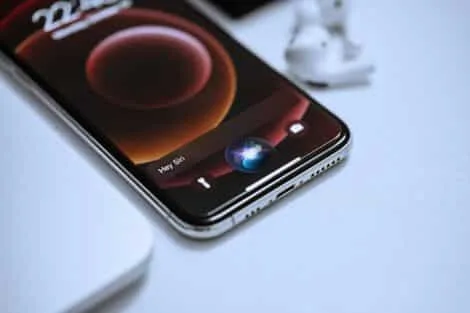
Apple has finally joined the AI race — 15 years after Siri first wowed the world.
At its Worldwide Developers Conference (WWDC) on June 8, Apple announced that Siri, its voice-activated assistant, is getting a major AI upgrade. The new Siri can now process images and provide learned descriptions, similar to what ChatGPT and Gemini already do.
When Siri debuted in 2011, it was a game-changer. Users could set alarms, send texts, and ask questions using just their voice. It felt like the future had arrived. But over the years, competitors like Google Assistant, Amazon Alexa, and later ChatGPT and Gemini zoomed ahead. Siri stayed mostly the same — useful for basic tasks but dumb compared to modern AI.
Now Apple is catching up. The AI-powered Siri will use on-device machine learning to understand images and generate descriptions. For example, you could show Siri a photo of a plant, and it'll tell you what species it is. Or point your camera at a landmark, and Siri will give you its history.
The upgrade comes as Apple faces pressure to keep up in the AI space. Competitors have been integrating generative AI into their products for over two years. Samsung has Galaxy AI, Google has Gemini built into Pixel phones, and Microsoft has Copilot across its ecosystem. Apple has been relatively quiet — until now.
What does this mean for everyday users in the Philippines? If you own an iPhone, your Siri is about to get smarter without needing a new phone. The AI features will likely run on-device, meaning faster responses and better privacy. You won't have to send your photos to the cloud for analysis.
But here's the thing: Apple is late. Really late. While Siri was once ahead of its time, it spent years as the butt of jokes. People complained it couldn't understand basic requests or gave useless answers. This AI upgrade might finally fix that — but only if it works as promised.
Apple hasn't given a specific release date for the new Siri, but expect it to roll out with iOS 20 later this year. For now, developers at WWDC got a sneak peek. The rest of us will have to wait a few more months.
One question remains: will this be enough to win back users who switched to Android or other AI assistants? Apple is betting that its privacy-first approach — processing everything on-device — will be a selling point. In a world where AI often means sending your data to servers, keeping things local could appeal to privacy-conscious Filipinos.
For now, Siri fans have reason to be excited. After 15 years, the assistant is finally getting the brains it always deserved. Whether it lives up to the hype? We'll find out soon.