

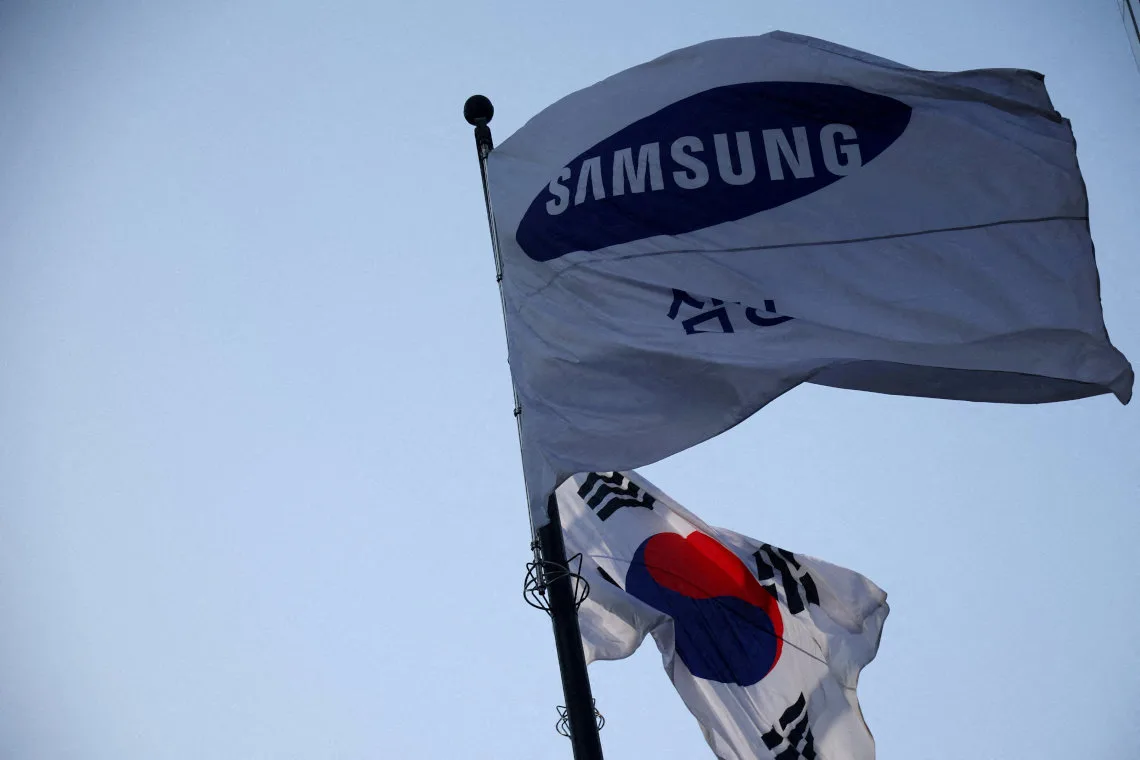
The Samsung Electronics Co Union (SECU), which has about 13,000 members, mostly from the company's smartphone, TV, and home appliances divisions, has asked a South Korean court to block a vote on a pay deal that primarily benefits their colleagues in the company's chip divisions. This move comes after the union was told it didn't have the right to join the vote, sparking a dispute over how the benefits of the AI boom should be shared.
The deal has sparked relief across South Korea, as Samsung accounts for about a quarter of the country's exports. The company's shares were up 2.7% in morning trade, and they've gained nearly 9% since the deal was struck last week. The SECU's decision to take legal action highlights the deep divisions within the company over how to distribute the benefits of the AI boom. It's clear that the dispute is far from over, and it won't be resolved anytime soon.
The huge bonuses that some Samsung workers are set to receive are what's really at stake here. Workers in the company's memory chip division, for example, are set to receive total bonuses of about $416,000 this year. This is a significant amount, and it's no wonder that other divisions, like smartphones and home appliances, are feeling left out. The SECU's members, who mostly work in these divisions, will receive much smaller bonuses, which has led to feelings of unfairness. They don't think it's fair that they're not receiving the same benefits as their colleagues in the chip division.
The dispute began when the Samsung Electronics Labor Union (SELU), which led the negotiations, reached a government-mediated agreement with the company. The agreement averted an 18-day strike by 48,000 workers, but it didn't address the concerns of the SECU. The SECU had left the negotiating team before the agreement was reached, citing disagreements over the terms of the deal. They didn't agree with the terms, and they won't back down now.
The SECU's decision to take legal action is a sign that the dispute is far from over. As the company's shares continue to rise, the union is determined to fight for a fairer deal for its members. It's not just the SECU - other unions, like the National Samsung Electronics Union (NSEU), are also upset with the terms of the deal. The NSEU, which represents both chip and non-chip workers, has announced that it will boycott the vote. This move won't go unnoticed, and it's likely to have significant implications for the company.
The vote on the pay deal began on Friday and is due to conclude on Wednesday morning. The SELU has said that more than 90% of its 57,290 members who are eligible to vote have cast their ballot, but the results haven't been disclosed. The SECU's legal action could potentially delay the vote, or even block the deal altogether. This would be a significant development, as the deal has already sparked relief across South Korea. The company's future is uncertain, and it's hard to predict what will happen next.
The court will have to decide whether to block the vote, or allow it to proceed. If the vote is blocked, the company and the unions will have to go back to the negotiating table. This could lead to further delays, and potentially even more strikes. But if the vote is allowed to proceed, the SECU's members will have to decide whether to accept the deal, or reject it. Either way, the dispute is far from over, and it's likely to have significant implications for Samsung and its workers.
The outcome is uncertain, and it's hard to predict what will happen.
The dispute over the pay deal is just one symptom of a larger issue. The AI boom has brought huge benefits to Samsung, but it's also created new challenges. The company will have to find a way to distribute the benefits of the boom fairly, or risk further disputes and unrest. It's not just Samsung - the AI boom is affecting companies all over the world, and it's likely to have significant implications for the global economy. The company can't ignore the issue, and it must find a solution.
Key Facts
- The Samsung Electronics Co Union (SECU) has about 13,000 members, mostly from the company's smartphone, TV, and home appliances divisions.
- The pay deal provides huge bonuses for workers in the company's memory chip division, with some set to receive total bonuses of about $416,000 this year.
- The SECU has asked a South Korean court to block a vote on the pay deal, citing unfairness and a lack of representation.
- The Samsung Electronics Labor Union (SELU) led the negotiations and reached a government-mediated agreement with the company.
- The National Samsung Electronics Union (NSEU) has announced that it will boycott the vote, citing disagreements over the terms of the deal.
The SECU's decision to take legal action is a sign that the dispute is far from over. As the company's shares continue to rise, the union is determined to fight for a fairer deal for its members. It's not just the SECU - other unions, like the NSEU, are also upset with the terms of the deal. The dispute is likely to have significant implications for Samsung and its workers, and it's a reminder that the AI boom is creating new challenges for companies all over the world. The situation is complex, and it's hard to predict what will happen next.
The AI boom has brought huge benefits to Samsung, but it's also created new challenges. The company will have to find a way to distribute the benefits of the boom fairly, or risk further disputes and unrest. It's not just Samsung - the AI boom is affecting companies all over the world, and it's likely to have significant implications for the global economy. The company can't ignore the issue, and it must find a solution. The SECU's members are mostly from the company's smartphone, TV, and home appliances divisions.
These divisions are crucial to Samsung's success, but they're not receiving the same benefits as the memory chip division.
The SECU is determined to fight for a fairer deal for its members, and it's likely that other unions will join the fight. The dispute is far from over, and it's a reminder that the AI boom is creating new challenges for companies all over the world. The outcome of the dispute will depend on the court's decision. If the vote is blocked, the company and the unions will have to go back to the negotiating table. This could lead to further delays, and potentially even more strikes.
But if the vote is allowed to proceed, the SECU's members will have to decide whether to accept the deal, or reject it. Either way, the dispute is far from over, and it's likely to have significant implications for Samsung and its workers. The company's future is uncertain, and it's hard to predict what will happen next. The SECU's members won't give up easily, and they'll keep fighting for a fairer deal. The dispute is a reminder that the AI boom is creating new challenges for companies all over the world, and it's likely to have significant implications for the global economy.