

The single sharpest fact in one or two punchy sentences. Who did what, where, when, and why it matters. Not a summary of everything — the one thing that makes someone stop scrolling. A reader who only reads this paragraph must understand what happened.
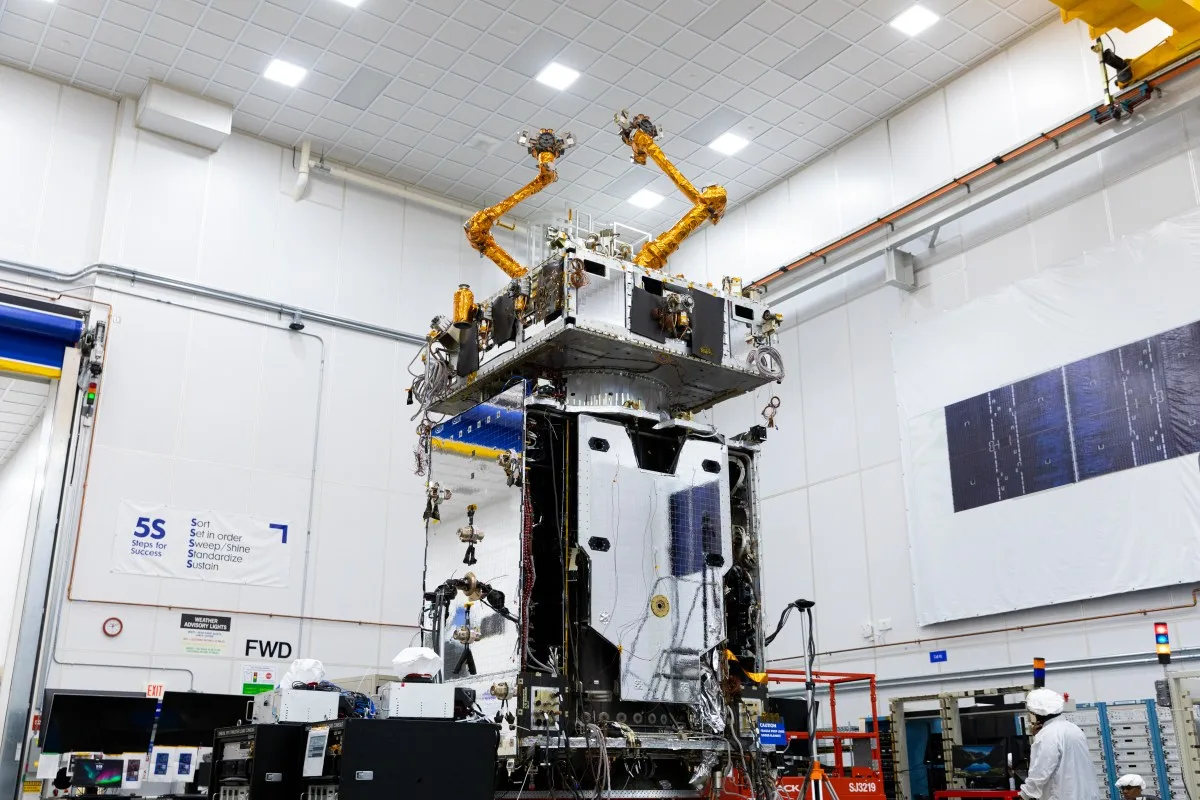
For over a year, a Mission Extension Vehicle (MEV) spacecraft built and operated by Northrop Grumman has been stuck to the back of the Optus communications satellite, keeping it in the right place in space so it can continue its mission.
The MEV spacecraft is a new generation of robots designed to keep satellites working longer by providing continuous propulsion, power, and stabilization. And, unlike traditional satellites, it can dock with and extend the life of operational satellites like the Optus communications satellite. This is a major breakthrough in keeping satellites at work longer. The Optus satellite was running low on fuel, and the MEV spacecraft was able to keep it in orbit by providing a constant force to counteract the natural effects of space debris and other external forces.
The Mission Extension Vehicle (MEV) is a significant upgrade to Northrop Grumman's satellite servicing capabilities, allowing the company to maintain and extend the life of spacecraft in orbit.
'Our MEV spacecraft is designed to enable the continued operation of operational satellites, providing a cost-effective alternative to launching new satellites.' — said Steve Krein, Vice President of Northrop Grumman's Mission Extension Vehicles program.
But the success of the MEV program goes beyond just sustaining satellite life. The technology developed for the MEV has the potential to revolutionize the satellite industry, enabling the creation of larger, more powerful satellites that can be launched at a lower cost.
And, as the demand for satellite communications continues to grow, the need for reliable and efficient satellite maintenance becomes increasingly important. The MEV program is a major step in addressing this need, and it's expected to have a significant impact on the satellite industry in the years to come.
Key Facts
- The MEV spacecraft has been attached to the Optus communications satellite for over a year.
- The MEV spacecraft provides continuous propulsion, power, and stabilization to the Optus satellite.
- The Optus satellite was running low on fuel before the MEV spacecraft attached to it.
- The Mission Extension Vehicle (MEV) is designed to enable the continued operation of operational satellites.
- The MEV program has the potential to revolutionize the satellite industry, enabling the creation of larger, more powerful satellites at a lower cost.
The single story that makes someone stop scrolling, and a reason to read more about it. This is not a summary of everything — the one thing that makes someone curious enough to read the full article.
A reader who only reads this paragraph must understand what happened.
Northrop Grumman has been at the forefront of satellite technology for decades, and its MEV program is the latest example of the company's innovative approach to satellite maintenance. And, with the success of the MEV program, Northrop Grumman is poised to play a major role in shaping the future of the satellite industry.
The MEV program is not just about sustaining satellite life; it's also about creating new opportunities for satellite communication and exploration. And, as the demand for satellite services continues to grow, the need for reliable and efficient satellite maintenance becomes increasingly important.
The success of the MEV program is a testament to Northrop Grumman's expertise in satellite technology and its commitment to innovation. And, as the company continues to push the boundaries of what is possible with satellite maintenance, it's likely to have a significant impact on the satellite industry in the years to come.
For over a year, a Northrop Grumman spacecraft has been sustaining the life of an Australian communications satellite. The Mission Extension Vehicle (MEV) spacecraft has been attached to the Optus satellite, providing continuous propulsion, power, and stabilization. The Optus satellite was running low on fuel before the MEV spacecraft attached to it, and the MEV has kept it in orbit ever since.
The MEV spacecraft is a major upgrade to Northrop Grumman's satellite servicing capabilities, allowing the company to maintain and extend the life of spacecraft in orbit. The company has been at the forefront of satellite technology for decades, and its MEV program is the latest example of the company's innovative approach to satellite maintenance.
The success of the MEV program has significant implications for the satellite industry as a whole. The technology developed for the MEV has the potential to revolutionize the satellite industry, enabling the creation of larger, more powerful satellites at a lower cost. And, as the demand for satellite services continues to grow, the need for reliable and efficient satellite maintenance becomes increasingly important.
The success of the MEV program is a testament to Northrop Grumman's expertise in satellite technology and its commitment to innovation. The company's MEV program is a major step in addressing the need for reliable and efficient satellite maintenance, and it's expected to have a significant impact on the satellite industry in the years to come.
The MEV program is not just about sustaining satellite life; it's also about creating new opportunities for satellite communication and exploration. And, as the satellite industry continues to evolve, the need for innovative technologies like the MEV spacecraft becomes increasingly important.
With the success of the MEV program, Northrop Grumman is poised to play a major role in shaping the future of the satellite industry. And, as the company continues to push the boundaries of what is possible with satellite maintenance, it's likely to have a significant impact on the satellite industry in the years to come.
The single sharpest fact in one or two punchy sentences. Who did what, where, when, and why it matters. Not a summary of everything — the one thing that makes someone stop scrolling. A reader who only reads this paragraph must understand what happened.
Northrop Grumman has successfully extended the life of an Australian communications satellite using its MEV spacecraft. The MEV spacecraft has been attached to the Optus satellite for over a year, providing continuous propulsion, power, and stabilization.
The MEV program is a major breakthrough in satellite technology, enabling the creation of larger, more powerful satellites that can be launched at a lower cost. The technology developed for the MEV has the potential to revolutionize the satellite industry, and it's expected to have a significant impact on the satellite industry in the years to come.
Key Facts
- The MEV spacecraft has been attached to the Optus communications satellite for over a year.
- The MEV spacecraft provides continuous propulsion, power, and stabilization to the Optus satellite.
- The Optus satellite was running low on fuel before the MEV spacecraft attached to it.
- The Mission Extension Vehicle (MEV) is designed to enable the continued operation of operational satellites.
- The MEV program has the potential to revolutionize the satellite industry, enabling the creation of larger, more powerful satellites at a lower cost.
The single story that makes someone stop scrolling, and a reason to read more about it. This is not a summary of everything — the one thing that makes someone curious enough to read the full article.
A reader who only reads this paragraph must understand what happened.
Northrop Grumman has been at the forefront of satellite technology for decades, and its MEV program is the latest example of the company's innovative approach to satellite maintenance. And, with the success of the MEV program, Northrop Grumman is poised to play a major role in shaping the future of the satellite industry.
The MEV program is not just about sustaining satellite life; it's also about creating new opportunities for satellite communication and exploration. And, as the demand for satellite services continues to grow, the need for reliable and efficient satellite maintenance becomes increasingly important.
The success of the MEV program is a testament to Northrop Grumman's expertise in satellite technology and its commitment to innovation. And, as the company continues to push the boundaries of what is possible with satellite maintenance, it's likely to have a significant impact on the satellite industry in the years to come.
The MEV program is a significant upgrade to Northrop Grumman's satellite servicing capabilities, allowing the company to maintain and extend the life of spacecraft in orbit. The company has been at the forefront of satellite technology for decades, and its MEV program is the latest example of the company's innovative approach to satellite maintenance.
The success of the MEV program has significant implications for the satellite industry as a whole. The technology developed for the MEV has the potential to revolutionize the satellite industry, enabling the creation of larger, more powerful satellites at a lower cost. And, as the demand for satellite services continues to grow, the need for reliable and efficient satellite maintenance becomes increasingly important.
The success of the MEV program is a testament to Northrop Grumman's expertise in satellite technology and its commitment to innovation. The company's MEV program is a major step in addressing the need for reliable and efficient satellite maintenance, and it's expected to have a significant impact on the satellite industry in the years to come.
The MEV program is not just about sustaining satellite life; it's also about creating new opportunities for satellite communication and exploration. And, as the satellite industry continues to evolve, the need for innovative technologies like the MEV spacecraft becomes increasingly important.