

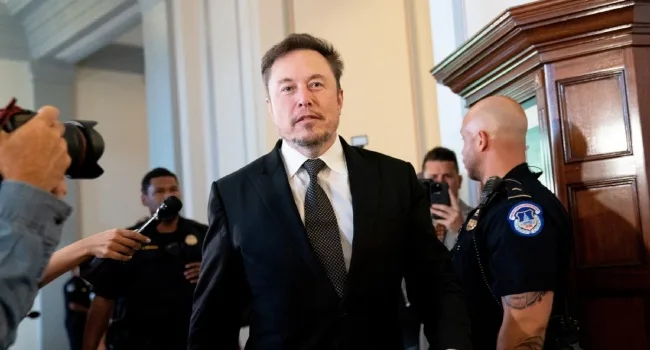
Elon Musk is no stranger to controversy, but his latest outburst has sparked a firestorm of criticism. The billionaire tech mogul has been embroiled in a heated dispute with French prosecutors, who are investigating his X platform for unspecified reasons. In a recent post, Musk labeled the prosecutors 'mentally retarded', a comment that has been widely condemned as offensive and unprofessional.
The probe into X's activities began in mid-February, when French authorities raided the company's Paris office. Musk has been vocal about his displeasure with the investigation, taking to social media to express his frustration and anger. His comments have sparked a debate about the limits of free speech and the responsibilities of tech companies to comply with regulatory requirements. As the situation continues to unfold, it's clear that Musk's relationship with European regulators is increasingly strained.
The French prosecutors' investigation into X is just the latest in a series of regulatory challenges faced by the company. Musk has been a vocal critic of government regulation, arguing that it stifles innovation and hinders the growth of tech companies. However, his comments about the French prosecutors have been widely seen as a step too far, and have raised questions about his ability to navigate complex regulatory environments. As the probe into X continues, it's likely that Musk's comments will be scrutinized closely by regulators and the public alike.
The incident has also sparked a wider debate about the role of tech companies in society and their relationship with governments. As companies like X and Twitter continue to grow and expand their reach, they are increasingly coming into contact with regulatory bodies and government agencies. The question of how these companies should be regulated, and how they should interact with governments, is a complex and contentious one. Musk's comments have added fuel to the fire, and have highlighted the need for a more nuanced and informed discussion about the intersection of tech and regulation.
Key Facts
- Elon Musk labeled French prosecutors 'mentally retarded' in a recent post
- The comment was made in response to a probe into X's activities
- The probe began in mid-February, when French authorities raided X's Paris office
- Musk has been a vocal critic of government regulation
- The incident has sparked a debate about the limits of free speech and the responsibilities of tech companies
- The French prosecutors' investigation into X is ongoing
- Musk's comments have been widely condemned as offensive and unprofessional
- The incident has raised questions about Musk's ability to navigate complex regulatory environments
- The probe into X is just the latest in a series of regulatory challenges faced by the company
Background on X and Musk
Musk's X platform has been a focus of attention in recent months, as the company has expanded its reach and grown its user base. However, the company has also faced a series of regulatory challenges, including the French probe into its activities. Musk has been a vocal critic of government regulation, arguing that it stifles innovation and hinders the growth of tech companies. His comments about the French prosecutors have added fuel to the fire, and have highlighted the need for a more nuanced and informed discussion about the intersection of tech and regulation.
The history of X is complex and multifaceted, and the company has undergone significant changes in recent years. Founded by Musk in 2020, the company has grown rapidly and expanded its reach into new areas. However, the company has also faced a series of challenges, including regulatory hurdles and criticism from users and governments. As the company continues to evolve and grow, it's likely that it will face increasing scrutiny from regulators and the public alike.
Musk's own history is also relevant to the current situation. The billionaire tech mogul has been a vocal critic of government regulation, and has been involved in a series of high-profile disputes with regulators and governments. His comments about the French prosecutors are just the latest example of his willingness to speak his mind and challenge authority. However, they have also raised questions about his ability to navigate complex regulatory environments and build relationships with governments.
Regulatory Environment
The regulatory environment for tech companies like X is complex and multifaceted. In Europe, companies are subject to a range of regulations, including the General Data Protection Regulation (GDPR) and the Digital Services Act (DSA). These regulations are designed to protect users' rights and ensure that companies operate in a fair and transparent manner. However, they can also be complex and difficult to navigate, and companies like X must be careful to comply with them in order to avoid fines and penalties.
The French prosecutors' investigation into X is just one example of the regulatory challenges faced by tech companies. As companies like X and Twitter continue to grow and expand their reach, they are increasingly coming into contact with regulatory bodies and government agencies. The question of how these companies should be regulated, and how they should interact with governments, is a complex and contentious one. Musk's comments have added fuel to the fire, and have highlighted the need for a more nuanced and informed discussion about the intersection of tech and regulation.
The regulatory environment is not just limited to Europe, however. In the US, tech companies are subject to a range of regulations, including the Federal Trade Commission (FTC) and the Securities and Exchange Commission (SEC). These regulations are designed to protect users' rights and ensure that companies operate in a fair and transparent manner. However, they can also be complex and difficult to navigate, and companies like X must be careful to comply with them in order to avoid fines and penalties.
Impact on X and Musk
The incident has had a significant impact on X and Musk, and has raised questions about the company's future and the tech mogul's relationship with European regulators. Musk's comments have been widely condemned as offensive and unprofessional, and have sparked a debate about the limits of free speech and the responsibilities of tech companies. The incident has also highlighted the need for a more nuanced and informed discussion about the intersection of tech and regulation.
As the probe into X continues, it's likely that the company will face increasing scrutiny from regulators and the public alike. Musk's comments have added fuel to the fire, and have raised questions about his ability to navigate complex regulatory environments. The incident has also sparked a wider debate about the role of tech companies in society and their relationship with governments. As companies like X and Twitter continue to grow and expand their reach, they are increasingly coming into contact with regulatory bodies and government agencies.
The question of how these companies should be regulated, and how they should interact with governments, is a complex and contentious one. Musk's comments have highlighted the need for a more nuanced and informed discussion about the intersection of tech and regulation. As the situation continues to unfold, it's likely that we will see a more detailed and nuanced exploration of these issues, and a greater understanding of the complexities and challenges involved.
Reaction from Regulators and Governments
The reaction from regulators and governments has been swift and decisive. The French prosecutors have condemned Musk's comments as offensive and unprofessional, and have emphasized their commitment to upholding the law and protecting users' rights. The incident has also sparked a wider debate about the role of tech companies in society and their relationship with governments.
The relationship between tech companies and governments is complex and multifaceted, and requires a nuanced and informed approach. As companies like X and Twitter continue to grow and expand their reach, they are increasingly coming into contact with regulatory bodies and government agencies. The question of how these companies should be regulated, and how they should interact with governments, is a complex and contentious one.
The incident has highlighted the need for a more nuanced and informed discussion about the intersection of tech and regulation. As the situation continues to unfold, it's likely that we will see a more detailed and nuanced exploration of these issues, and a greater understanding of the complexities and challenges involved. The reaction from regulators and governments will be closely watched, and will provide important insights into the future of tech regulation and the role of companies like X in society.
Future Implications
The future implications of the incident are significant, and will depend on a range of factors, including the outcome of the probe into X and the reaction from regulators and governments. Musk's comments have added fuel to the fire, and have raised questions about his ability to navigate complex regulatory environments. The incident has also sparked a wider debate about the role of tech companies in society and their relationship with governments.
As the situation continues to unfold, it's likely that we will see a more detailed and nuanced exploration of these issues, and a greater understanding of the complexities and challenges involved. The incident has highlighted the need for a more nuanced and informed discussion about the intersection of tech and regulation, and has raised important questions about the future of tech companies and their relationship with governments. The outcome of the probe into X will be closely watched, and will provide important insights into the future of tech regulation and the role of companies like X in society.
The incident has also sparked a debate about the limits of free speech and the responsibilities of tech companies. Musk's comments have been widely condemned as offensive and unprofessional, and have raised questions about the boundaries of acceptable speech in the tech industry. As the situation continues to unfold, it's likely that we will see a more detailed and nuanced exploration of these issues, and a greater understanding of the complexities and challenges involved.
Conclusion
In conclusion, the incident involving Musk and the French prosecutors has highlighted the complexities and challenges of regulating tech companies. The probe into X is just one example of the regulatory challenges faced by tech companies, and has raised important questions about the role of companies like X in society and their relationship with governments. Musk's comments have added fuel to the fire, and have raised questions about his ability to navigate complex regulatory environments.
As the situation continues to unfold, it's likely that we will see a more detailed and nuanced exploration of these issues, and a greater understanding of the complexities and challenges involved. The incident has highlighted the need for a more nuanced and informed discussion about the intersection of tech and regulation, and has raised important questions about the future of tech companies and their relationship with governments. The outcome of the probe into X will be closely watched, and will provide important insights into the future of tech regulation and the role of companies like X in society.
The incident has also sparked a wider debate about the role of tech companies in society and their relationship with governments. As companies like X and Twitter continue to grow and expand their reach, they are increasingly coming into contact with regulatory bodies and government agencies. The question of how these companies should be regulated, and how they should interact with governments, is a complex and contentious one. Musk's comments have highlighted the need for a more nuanced and informed discussion about the intersection of tech and regulation, and have raised important questions about the future of tech companies and their relationship with governments.