

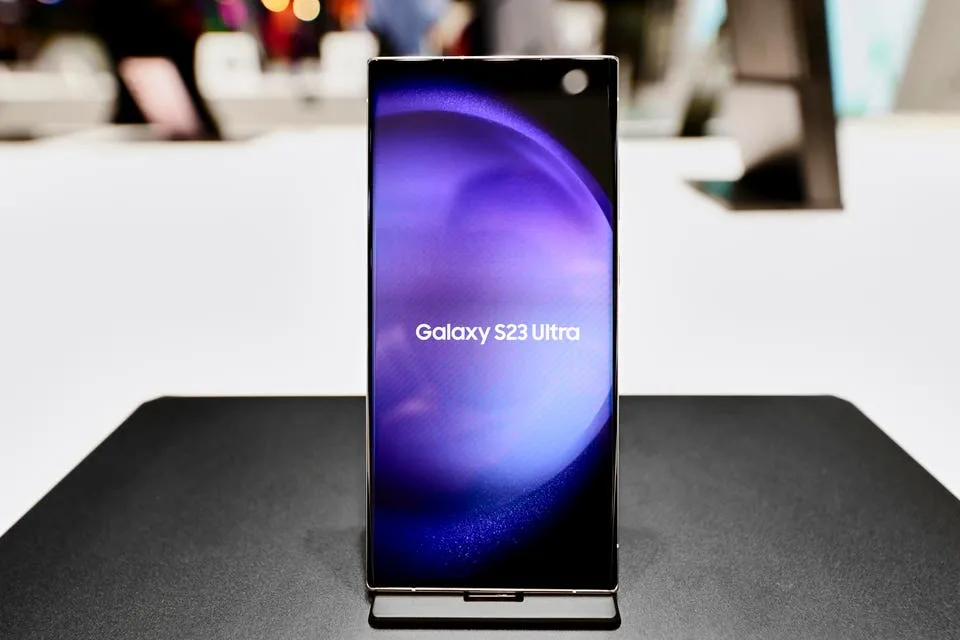
If you were planning to swap your Samsung Galaxy S24 or Galaxy S23 for the latest iPhone 17, Apple has made your life a little more difficult. As of May 28, 2026, the tech giant has quietly removed these popular models from its online trade-in page. The sudden shift means you no longer get an instant valuation for your device through your web browser, turning a simple digital transaction into a potentially long trek to the nearest Apple Store.
While Apple claims some trade-in values might still be accessible in-person at their physical locations, the lack of transparency is hard to ignore. The company used to offer concrete payouts like $350 for the Galaxy S24 Ultra. Now, the space where those numbers lived is effectively a void. It's unclear whether in-store employees will even match the previous online estimates or if you'll walk away with less value than expected.
Even for those whose devices haven't been completely removed from the site, the outlook is bleak. The Galaxy S22 Ultra saw its trade-in value drop from $135 to $130, while the Galaxy Note 20 fell to $90. Meanwhile, the Google Pixel 8 Pro saw a slight decrease from $170 to $165. It's clear that if your hardware has an Android logo on the back, Apple is signaling your device is worth less to them today than it was earlier this week.
Ironically, Apple has taken a different approach with its own inventory. The company actually boosted trade-in values for its own iPhone 16 lineup. The iPhone 16 Pro Max, for example, jumped from $685 to $695, while the base iPhone 16 climbed from $435 to $460. This pattern suggests Apple is pushing to keep the Apple ecosystem closed and incentivize users to stick with their current brand, rather than hopping to the competition.
The discrepancy between Apple's and Samsung's trade-in values is striking. For instance, Apple now pays $695 for an iPhone 16 Pro Max, while Samsung offers only $512 for the same device. Samsung pays $500 for a Galaxy S23 Ultra, a massive $300 premium over Apple's current $200 valuation. Trading in a Galaxy S22 Ultra through Samsung nets you $350, compared to the $130 offered at the Apple store. The Galaxy Note 20 Ultra is valued at $130 by Samsung, $40 higher than Apple's rate.
Samsung currently lacks an online trade-in path for non-Samsung Android devices like the OnePlus 12 or Google Pixel, limiting your options significantly.
For Nigerians who keep a sharp eye on international tech markets to track device resale values back home, this volatility is a familiar sting. Many tech enthusiasts in Lagos or Abuja rely on consistent global trade-in benchmarks to determine the fair market value of their gear. When Apple unilaterally slashes these numbers, the secondary market often follows suit, impacting the price of used devices in local shops across Computer Village. This has a direct ripple effect on how we value our pockets.
A note on Apple's support page reads: “Some trade-in devices and values are available in-store only.” This cryptic message feels more like an obstacle course than a solution. Samsung, for its part, is also playing hardball. They are currently pushing a promotion for the Galaxy S26, aggressively hiking trade-in values to keep users from jumping to iOS. If you're holding an iPhone 17 Pro Max, Samsung will pay you $640 to switch—a figure that underscores just how much they want your business, even if it represents a 47% drop from the phone's launch price.
The brand loyalty tax is real. If you decide to cross the aisle, you'll pay for it in lost trade-in equity. The smartest move for now is to stay within your existing camp, or wait for one of the seasonal, high-value promotion cycles. Whether it's the eventual launch of the Galaxy Z Fold 8 or the next big Apple keynote, the best time to switch is always when the companies are desperate enough to pay you a premium for your old hardware.