

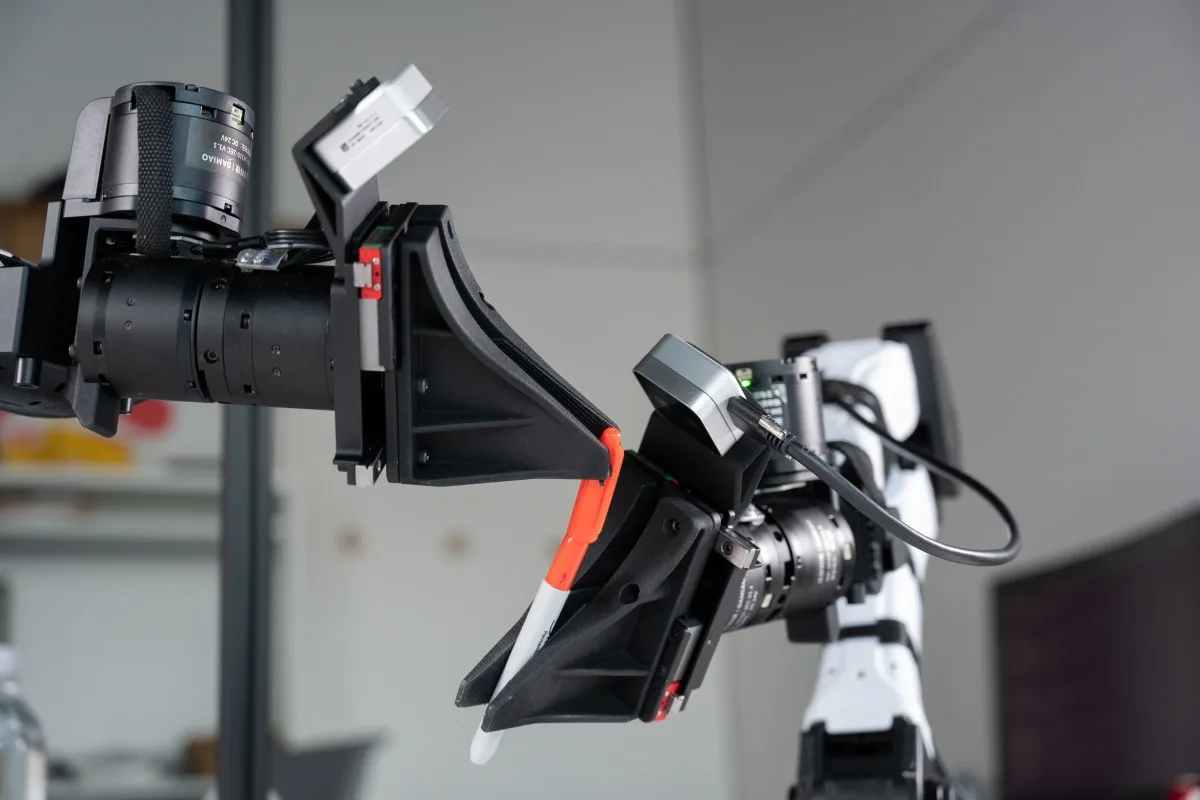
Two weeks ago, OpenAI said it'd relaunch the robotics program it shut down in 2021. That's the latest sign that big AI labs are racing to get machines working in the real world. But there's a problem: they don't have enough training data.
For language models, there's a whole internet of text to learn from. For robots, there's almost nothing. YouTube videos and footage from gig workers are low-quality and hard to translate into physical action. So a new kind of business is popping up — companies that pay people to perform boring, dirty tasks so robots can watch and learn.
Think about it: a robot can't learn to scrub a toilet, fold laundry, or scrape a greasy pan unless it has hundreds of examples of humans doing those exact things. That kind of data barely exists. So instead of waiting for it to appear naturally, AI labs are funding operations where workers do the jobs in controlled settings while cameras capture every move.
This isn't glamorous work. It's repetitive, physical, and often gross. But it pays, and it's creating a whole new gig economy around robot training. The workers are essentially acting out scenes so machines can study them frame by frame.
The data gap is real. While language models were trained on trillions of words scraped from the open web, robot training requires high-fidelity recordings of physical interactions — the exact angle of a hand gripping a cup, the force needed to flip an egg, the sequence of steps to open a jar. That kind of detail is impossible to get from a random YouTube clip.
So companies are building dedicated data-collection facilities. Some are even shipping robot bodies to workers' homes to capture natural movements. The result is a growing industry of people who do the dirty work — literally — so that one day, robots can do it for us.
OpenAI's return to robotics is a big signal. The company originally shut down its robotics team in 2021, saying the hardware was too slow and the data too scarce. Now, with new data pipelines and better AI models, they think the time is right. But they aren't alone. Other labs are pouring money into this too.
The bottom line: before a robot can clean your kitchen, someone has to clean a kitchen while being filmed. And right now, that someone is getting paid — for the most unglamorous job in AI.