

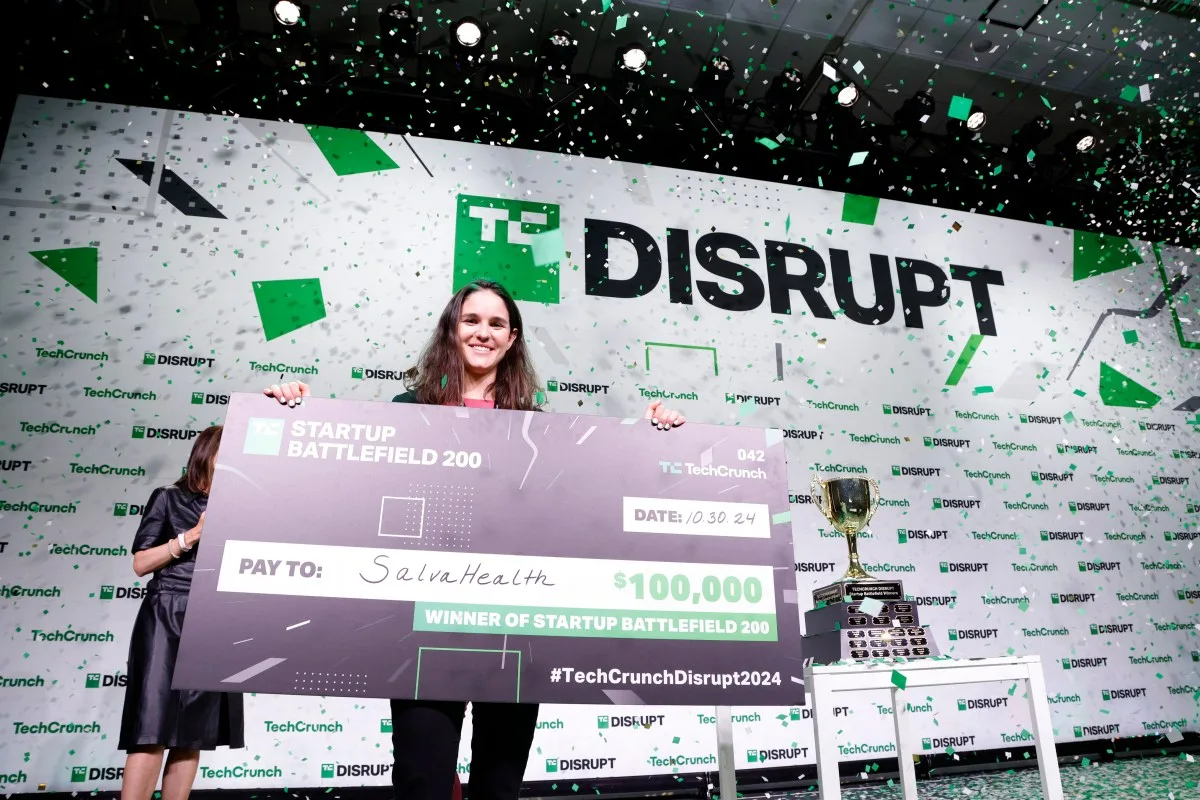
If you’ve spent the last few months burning the midnight oil on that app or platform you think will disrupt the market, today is the day your hustle either pays off or heads back to the drawing board. Applications for the Startup Battlefield 200 close tonight at 11:59 p.m. Pacific Time. That’s the hard deadline for your submission if you want a shot at walking away with $100,000 in equity-free funding.
Being chosen for this cohort isn't just about the cash, though a cool six-figure injection is enough to make any founder jump for joy. It’s about the exposure that comes with being on the TechCrunch Disrupt stage. When you’re standing under those lights, you’re pitching to a room full of the venture capitalists who write the biggest checks in the tech world. It’s the kind of visibility that turns a local secret into a global conversation.
"If you’re building a breakout startup — or know a founder who is — this is the moment to move."
For the Nigerian founders reading this, the global stage has never been more accessible. The ecosystem in Lagos, Abuja, and Port Harcourt has seen a massive surge in talent building products that solve real infrastructure and financial hurdles. Previous iterations of these competitions have shown that investors in Silicon Valley are increasingly looking toward African markets to find the next billion-dollar unicorn. If your pitch is solid, it doesn't matter if your office is in Yaba or San Francisco; the judges are looking for scalable solutions.
The competition structure is built to separate the dreamers from the builders. You’ll be expected to present a working product, not just a flashy slide deck with empty promises. The committee wants to see traction, market fit, and a team that knows how to pivot when things go sideways. If you’ve been hesitant about hitting submit because you think you aren't ready, take this as the kick in the pants you need to stop overthinking and start acting.
Once the clock hits midnight, the portal becomes a digital ghost town. There are no extensions and no "my Wi-Fi was acting up" excuses that’ll get you back in. The review process begins immediately after. Industry experts will comb through hundreds of applications to narrow the field down to the top 200. Only those who pass this rigorous vetting get the invite to the main event.
Equity-free funding is a rarity in the world of venture capital. Unlike traditional rounds where you give up a slice of your company, this money is yours to keep. It lets you maintain control while you scale. This allows founders to hire better talent or improve their tech stack without the immediate pressure of diluted ownership. It’s the most attractive part of this specific competition for early-stage companies struggling to keep their runway long enough to hit profitability.
Preparing for a stage of this magnitude requires more than just knowing your numbers. You have to tell a story that connects with the investors on a human level. They want to know what pain point you’re fixing for your users and why you’re the only team capable of doing it. If you haven't nominated a founder you admire yet, you can still use the official link to submit their details before the window closes. It’s a simple way to boost a peer who might have the next world-changing idea but lacks the confidence to apply.
Make sure your pitch deck clearly outlines your revenue model and your growth projections for the next 24 months. Investors in this space are tired of "growth at all costs" narratives; they want to see a clear path to generating actual naira or dollars. If you can prove that your unit economics are sound, you’ve already cleared a hurdle that stops most other applicants. Double-check your contact details and ensure your demo link is live, because a broken URL is a one-way ticket to rejection.