

The Legal Tug-of-War
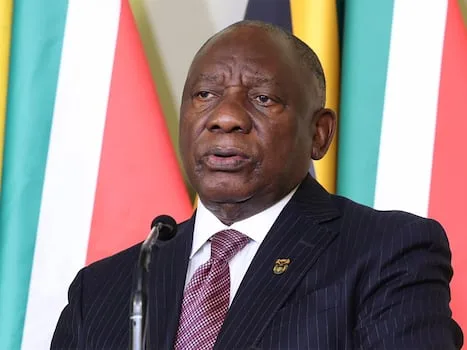
President Cyril Ramaphosa finds himself caught in a high-stakes legal standoff that’s turning the halls of parliament into a courtroom battleground. Vuyo Zungula, the leader of the African Transformation Movement (ATM), has effectively told the president that his recent court application is nothing more than a 'Stalingrad strategy'—a clever way to stall the process until time runs out. Zungula, who stands as the fifth respondent in the matter, has fired back at the president’s move to pause the impeachment proceedings, labeling the bid 'ill-founded' and designed to frustrate justice.
At the heart of the drama is the infamous Phala Phala farm saga. You’ll remember how a Constitutional Court judgment previously slapped parliament on the wrist, finding that the legislative body hadn't properly held the president accountable for the scandal. That ruling forced the hands of lawmakers to set up an impeachment committee. The committee is tasked with the heavy responsibility of deciding if the president breached the constitution or broke the law.
The impeachment proceedings should continue notwithstanding the existence of your client’s application.
This is the blunt message Zungula’s legal team sent to the presidency. They’re warning that if parliament decides to press 'pause' while the Western Cape High Court reviews the president's objections, they might actually be in contempt of the Constitutional Court's earlier instruction. It’s a messy situation where one branch of government is trying to pull the brakes on another.
The Timeline for Justice
Zungula isn't just complaining; he’s trying to set a concrete pace. He has proposed that the court sorts out the hearing dates between August 10 and 12, 2026. His legal team has laid out a strict schedule to ensure things don't go cold. They want the Rule 53 record—the official set of documents parliament used to make its decisions—shipped off by June 10. From there, they want all extra arguments finished by mid-July, leaving no room for the usual sluggish pace of legal proceedings.
The DA, usually the first to jump into these legislative fights, is singing from the same hymn sheet as the ATM. George Michalakis, the DA parliamentary leader, insisted that parliament must perform its oversight role without someone standing over its shoulder to block it. He made it clear that the country doesn't have the luxury of dragging this out for months on end while the presidency tries to shield itself from scrutiny.
A Threat to Parliamentary Sovereignty
The threat from the president to seek an interdict marks an aggressive escalation in this conflict. Ramaphosa’s team suggested he might ask the court to stop parliament from doing its job if they refuse to stand down. Zungula’s lawyers didn't mince their words, calling such a threat 'unprecedented and entirely inappropriate.' It’s rare for a president to try and block the work of the National Assembly like that, and experts suggest it could be seen as a direct attack on the separation of powers.
If the president proceeds with that interdict, he risks being accused of abusing the court system just to keep his political career afloat. The lawyers argue that courts typically stay out of parliamentary business until the assembly has actually finished its report and reached a final decision. By trying to intervene now, the president is effectively jumping the gun. He is forcing the judiciary into a political brawl that isn't yet ready for a judge's ruling.
The Stakes for Accountability
The Phala Phala incident remains a massive headache for the governing party. It started with millions of foreign currency notes hidden in furniture and ballooned into a constitutional crisis. For the average South African struggling with the rising cost of living, this feels like just another day of political drama. The leaders appear more concerned with their own legal skins than the price of bread or the stability of our institutions.
With the hearing dates now proposed, the ball is firmly back in the court of the judge president. If the court agrees to this expedited timeline, the winter of 2026 could see a constitutional test of significant magnitude for the current administration. Whether it results in a clear path for impeachment or just another legal hurdle, the clock is ticking. Everyone—from the streets of Joburg to the suburbs of Cape Town—is waiting to see if parliament will finally assert its teeth or if the presidency will manage to talk its way out of this one.