

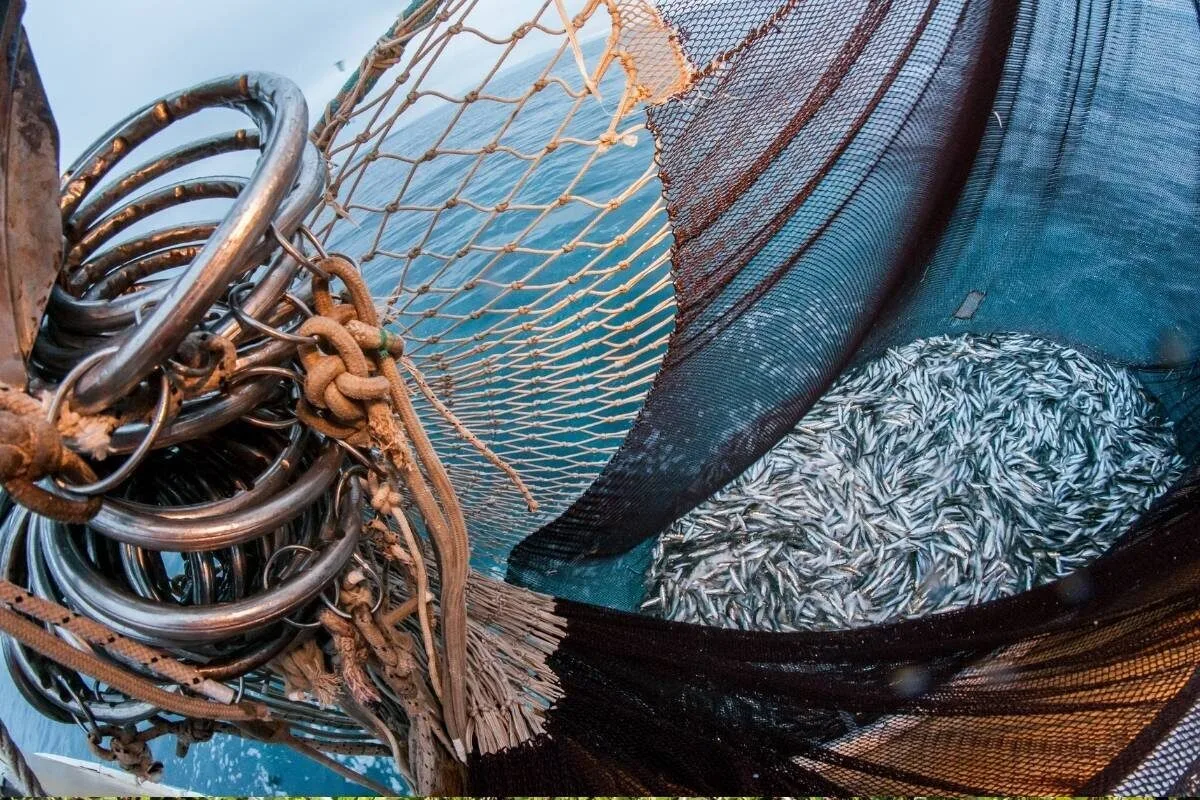
South Africa Raises Sardine Catch Limit by 6,000 Tonnes to Save 1000 Jobs
### Minister's Statement:
"I am very pleased that we have saved more than a thousand jobs, whilst also ensuring the protection of our natural resources." — Minister of Forestry, Fisheries and the Environment Willie Aucamp
A recent surge in demand for sardines has led to a shortage of the fish in the Western Cape, placing more than 1000 jobs at risk. In response, the Department of Forestry, Fisheries and the Environment (DFFE) increased the sardine catch limit from 30500 tonnes to 36500 tonnes, providing relief to fishing rights holders and processors.
### What is the Total Allowable Catch?
The Total Allowable Catch, or TAC, is the maximum amount of a particular fish species that can legally be harvested during a fishing season. It's based on scientific assessments of fish populations and their ability to replenish naturally, ensuring that fishing remains sustainable.
### Increase Breakdown
The 6000-tonne increase is made up of two components: 3000 tonnes resulting from revised survey timing corrections and 3000 tonnes from converting existing sardine Total Allowable Bycatches into additional catch allocations. This wasn't simply a response to industry pressure; it followed a scientific review by the Small Pelagic Scientific Working Group.
### Impact on the Economy
Sardines play a vital role in the country's economy, supplying processors with fish for canned goods, fishmeal for agriculture and aquaculture, and bait for other fisheries. The sector supports thousands of jobs across the value chain, particularly in the Western Cape.
### What's Next?
The DFFE will continue to monitor sardine stocks through ongoing scientific assessments and stakeholder engagement. The department aims to ensure the long-term health of the stock while providing relief to businesses and protecting jobs. The increase in the catch limit is a significant step in balancing economic growth with environmental protection.
Key Facts
- The sardine catch limit has been increased by 6000 tonnes.
- The new limit is 36500 tonnes, up from 30500 tonnes.
- The increase is made up of two components: 3000 tonnes from revised survey timing corrections and 3000 tonnes from converting existing bycatches into additional allocations.
- The decision followed a scientific review by the Small Pelagic Scientific Working Group.
- More than 1000 jobs were at risk due to the shortage of sardines in the Western Cape.
### Minister Willie Aucamp's Background
Minister Willie Aucamp has been the Minister of Forestry, Fisheries and the Environment since 2025. He is a seasoned politician with a background in environmental management and conservation. Prior to his appointment, Aucamp served as the Deputy Minister of Environmental Affairs.
### Sardine Fishery Role in the Economy
The commercial sardine fishery is a significant contributor to the country's economy, providing a vital source of income for thousands of people across the value chain. The fishery supports the production of canned goods, fishmeal for agriculture and aquaculture, and bait for other fisheries, among other products.
### Department's Commitment to Sustainability
The Department of Forestry, Fisheries and the Environment is committed to ensuring the long-term health of the sardine stock while providing relief to businesses and protecting jobs. The department will continue to monitor sardine stocks through ongoing scientific assessments and stakeholder engagement.