

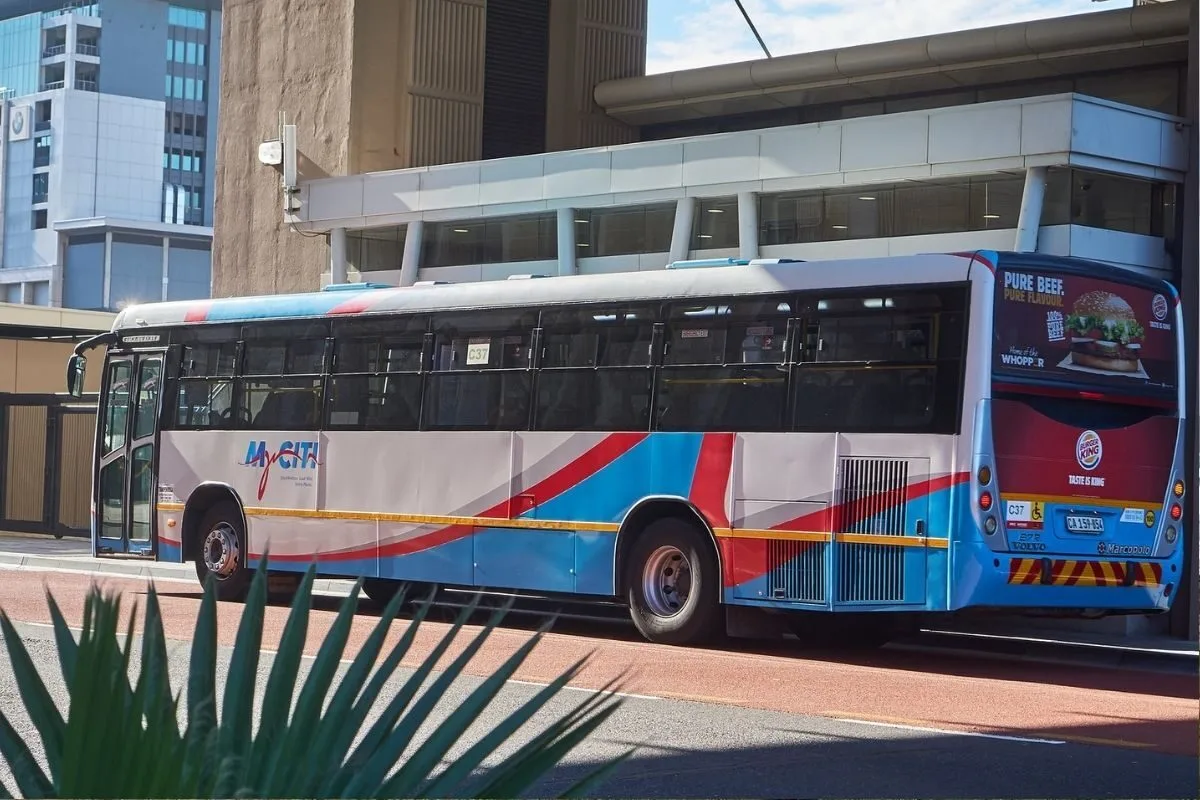
Cape Town's MyCiTi Commuters Face 45% Fare Hike
from 1 July
The City of Cape Town's Urban Mobility Directorate has announced proposed fare adjustments ahead of the new financial year, affecting MyCiTi commuters. The single sharpest fact: the monthly pass price will rise by R500 to R1,500.
The proposed fare increases vary depending on distance travelled, with commuters travelling between 0km and 20km seeing fare increases ranging from 38% to 45%. Those travelling longer distances can expect increases of between 32% and 37%. The City said the new fares reflect the actual cost of operating the service over the next year, including expenditure on fuel, vehicle maintenance, replacement parts, and tyres.
A major factor behind the increase is the rising cost of fuel. The City said it has absorbed the impact of higher diesel prices since March 2026, shielding commuters from fare increases despite mounting operational costs. According to officials, this has cost the municipality approximately R9.1 million per month.
"No sector has been unaffected by the increasing costs of fuel as a result of the ongoing crisis in the Middle East. MyCiTi is no exception," said Councillor Rob Quintas, Mayoral Committee Member for Urban Mobility.
Despite the increases, the City maintains that MyCiTi remains one of the more affordable public transport options available, particularly for passengers who can travel outside peak hours. Lower fares apply before 06:45 and after 08:00 on weekday mornings, and before 16:15 and after 17:30 in the afternoons. Reduced fares are also available throughout weekends and on public holidays.
The City said it will continue monitoring fuel price fluctuations and may adjust fares in future should conditions allow.
Key Facts
- MyCiTi monthly pass price to rise by R500 to R1,500
- Fare increases vary from 32% to 45% depending on distance travelled
- New fares reflect the actual cost of operating the service
- Rising cost of fuel contributes to fare increases
- MyCiTi remains one of the more affordable public transport options
A pull quote from Councillor Rob Quintas:
"No sector has been unaffected by the increasing costs of fuel as a result of the ongoing crisis in the Middle East. MyCiTi is no exception."
This development is significant for commuters in Cape Town who are already facing rising living costs. The impact on low-income households and students who rely heavily on public transport remains to be seen.
The proposed fare hikes are subject to approval by the City's draft budget by Council on 29 June 2026. If approved, commuters can expect to see the fare increases from 1 July 2026.
The City of Cape Town's Urban Mobility Directorate aims to ensure the long-term sustainability of MyCiTi by adjusting the fares. This move will help the service to operate effectively in the face of increasing fuel costs.
South African Context
Cape Town's commuters are not the only ones facing rising transport costs. Johannesburg and Durban residents are also dealing with increased fares on their public transportation services.
The rising cost of fuel is a major contributing factor to the fare increases. This is not a new issue for South Africa, as the country has been experiencing fuel price volatility in recent years.
The impact of the fare hike on commuters of different income levels will be felt across the city. While the City maintains that MyCiTi is still an affordable option, the increase in fares will put additional pressure on low-income households and students.