

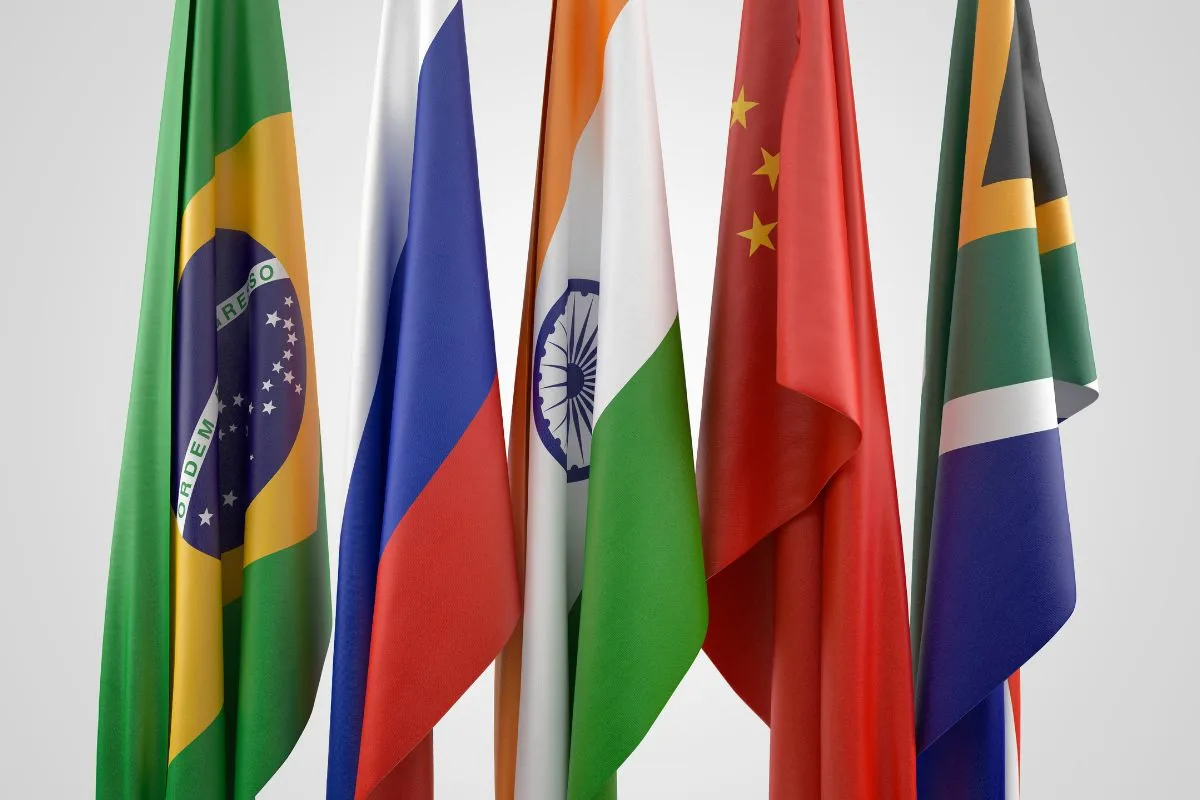
South Africa just bagged another $1 billion (R16 billion) from the BRICS New Development Bank (NDB) – and this time, the money's heading straight to the country's eight metros.
The loan was announced on Thursday at the bank's 51st Board of Directors meeting in Shanghai, China. The cash will go to Johannesburg, Cape Town, Buffalo City, Ekurhuleni, eThekwini, Mangaung, Nelson Mandela Bay, and Tshwane.
According to the NDB's press release, the loan is "expected to enhance living conditions for residents and improve the business climate in the eight municipalities, contributing to socio-economic development, as envisaged in the National Development Plan 2030."
This isn't South Africa's first rodeo with the NDB. In August 2024, the country got a similar $1 billion loan for infrastructure. It also received R7 billion earlier, though that one came with some side-eye from sceptics.
The money flows through South Africa's Programme for Upgrade of Infrastructure for Metropolitan Municipal Services. The borrower is the South African government, and the National Treasury is listed as the project entity receiving the loan. It's part of the Metro Trading Services Grant – described as a "performance-based incentive aimed at addressing critical infrastructure gaps and institutional shortcomings in the provision of trading services in the metros."
What's the goal? By the 2031 financial year, the programme is expected to directly and indirectly benefit the 24 million people living in those eight metros through better service delivery. Think water, electricity, roads – the basics that make city life bearable.
The NDB was set up in 2015 as a multilateral development bank to fund infrastructure and sustainable development projects in BRICS nations and other emerging markets. South Africa joined BRICS in April 2011 when then-president Jacob Zuma attended the third BRICS Summit in Sanya, China.
One of the big ideas behind the bank was cutting reliance on the US dollar and the euro, and avoiding the strings attached to loans from institutions like the International Monetary Fund. When member states trade parts with each other, they can use their own currencies – no extra costs from converting to dollars.
In a 2023 parliamentary briefing, it was noted that the NDB offers countries in the global South a way to access alternative financing for development, unlike traditional lenders such as the World Bank Group. The aim is to shake up the global financial status quo and change how communities develop socially and economically.
So, another billion from Beijing – but whether it actually fixes potholes and keeps the lights on in Joburg and Cape Town is the real test.