

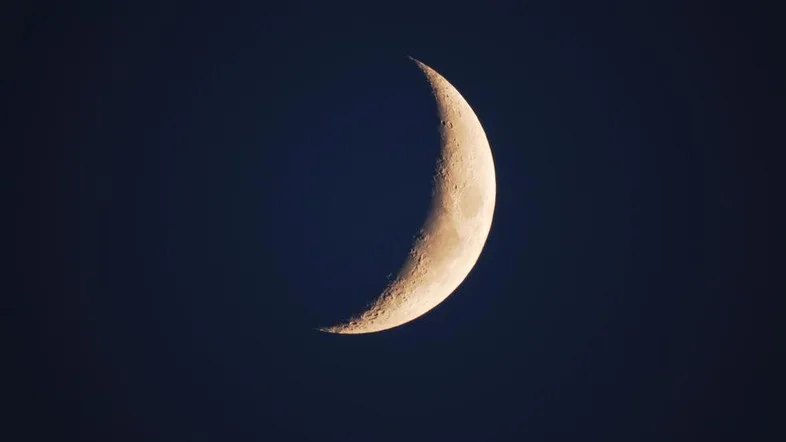
The Supreme Court of Saudi Arabia has officially confirmed the sighting of the Dhul-Hijjah crescent moon, marking Monday, 18 May, as the 1st of Dhul-Hijjah 1447 in the Islamic calendar. This announcement is crucial for millions of Muslims around the world who are preparing for the annual Hajj pilgrimage and the celebration of Eid al-Adha. They're preparing for these events with great enthusiasm and dedication.
Following the Saudi announcement, the key dates for the period have been set as follows: the 1st of Dhul-Hijjah will be on Monday, 18 May. The Day of Arafah, which is the 9th Dhul-Hijjah, will be on Tuesday, 26 May. Eid al-Adha, which is the 10th Dhul-Hijjah, will be on Wednesday, 27 May. These dates guide the timing of Hajj rites in Makkah and the global observance of Eid al-Adha. They won't change, as they're determined by the Islamic calendar.
Dhul-Hijjah is regarded as one of the holiest months in Islam. It's marked by heightened devotion, fasting, charity, and pilgrimage. The month culminates in the Hajj pilgrimage in the holy city of Makkah. The Hajj is one of the five pillars of Islam and a major spiritual obligation for Muslims who are physically and financially able. They can't undertake this pilgrimage without careful planning and preparation.
The 9th day of Dhul-Hijjah, known as the Day of Arafah, is considered the most spiritually significant day of the pilgrimage. It's marked by prayers and supplications on the plains of Arafat. The Day of Arafah is followed by Eid al-Adha, also known as the Festival of Sacrifice. Eid al-Adha commemorates Prophet Ibrahim's devotion and willingness to obey divine command. It's symbolised through ritual animal sacrifice and acts of charity.
Muslims don't take this festival lightly, as it's a time for reflection and sacrifice.
As Muslims in Nigeria and around the world prepare for Eid al-Adha, they will be reflecting on the values of obedience, sacrifice, and generosity that the festival represents. In Nigeria, where Islam is a significant part of the cultural landscape, Eid al-Adha is a time for family gatherings, prayer, and community service. Muslims and non-Muslims come together to share in the festivities. They don't just celebrate Eid al-Adha; they also learn from each other's traditions.
For those who will be performing the Hajj pilgrimage, the journey to Makkah is a once-in-a-lifetime experience. It requires careful planning and preparation. The Saudi government has implemented various measures to ensure the safety and comfort of pilgrims. These measures include the expansion of the Grand Mosque and the provision of modern amenities. Pilgrims won't have to worry about their safety, as the Saudi government has taken care of everything.
The economic impact of the Hajj pilgrimage is also significant. Millions of dollars are spent on travel, accommodation, and other expenses. In Nigeria, the pilgrimage is also an important economic activity. Many travel agencies and tour operators offer packages for pilgrims. They can't afford to miss out on this lucrative business opportunity.
In terms of the specific details of the Hajj pilgrimage, the Saudi government has announced that it will be implementing various safety measures to prevent the spread of COVID-19. Pilgrims will be required to wear masks and maintain social distancing. The government will also be providing vaccination services for those who need them. They won't have to worry about their health, as the Saudi government has taken care of everything.
The cultural significance of Eid al-Adha can't be overstated. It's a time for Muslims to come together with their families and communities. They reflect on their faith and values, and celebrate the sacrifices that they make for the sake of their beliefs. In Nigeria, Eid al-Adha is also a time for cultural exchange and celebration. Many Muslims and non-Muslims come together to share in the festivities. They don't just celebrate Eid al-Adha; they also learn from each other's traditions.
As the world prepares to celebrate Eid al-Adha, it's a reminder of the importance of faith, community, and sacrifice. For Muslims, it's a time to reflect on their values and to renew their commitment to their faith. For non-Muslims, it's an opportunity to learn about and appreciate the cultural and religious traditions of their Muslim friends and neighbors. They won't miss out on this opportunity, as it's a time for cultural exchange and understanding.
The 1st of Dhul-Hijjah will be on Monday, 18 May. The Day of Arafah, which is the 9th Dhul-Hijjah, will be on Tuesday, 26 May. Eid al-Adha, which is the 10th Dhul-Hijjah, will be on Wednesday, 27 May. The Hajj pilgrimage is one of the five pillars of Islam. The pilgrimage attracts millions of Muslims from around the world every year. They're drawn to the holy city of Makkah, where they can fulfill their spiritual obligations.
The announcement of the start of Dhul-Hijjah and the dates for Eid al-Adha is a significant event for Muslims around the world. It's a time for reflection, celebration, and sacrifice. It's an opportunity for Muslims to come together with their families and communities to observe one of the most important holidays in the Islamic calendar. They won't miss out on this opportunity, as it's a time for spiritual renewal and celebration. The festival of Eid al-Adha is a celebration of Prophet Ibrahim's devotion and obedience.
It's a reminder of the importance of faith and sacrifice in Islam. Muslims around the world celebrate this festival with great enthusiasm and dedication. They don't just celebrate Eid al-Adha; they also reflect on their values and traditions.